
You know that feeling when you walk into a room and something just draws your eye immediately? Nine times out of ten, it’s the fireplace mantel doing all the heavy lifting. I’ve been in countless homes where the mantel serves as the unofficial star of the show, and let me tell you, there’s a reason for that.
Think about it this way. When we’re kids, we gather around the fireplace during holidays. When we’re adults, we arrange our furniture to face it. When we’re showing off our homes to guests, we unconsciously guide them toward that warm, welcoming focal point. The mantel isn’t just a piece of wood or stone sitting above your fireplace. It’s the anchor that holds your entire room together.
I remember visiting my grandmother’s house every Christmas. Her living room was nothing fancy, just a basic setup with mismatched furniture and worn carpets. But that mantel? Pure magic. She’d decorate it with garland, family photos, and those ceramic angels that somehow looked elegant instead of cheesy. The whole room came alive because of that one element.
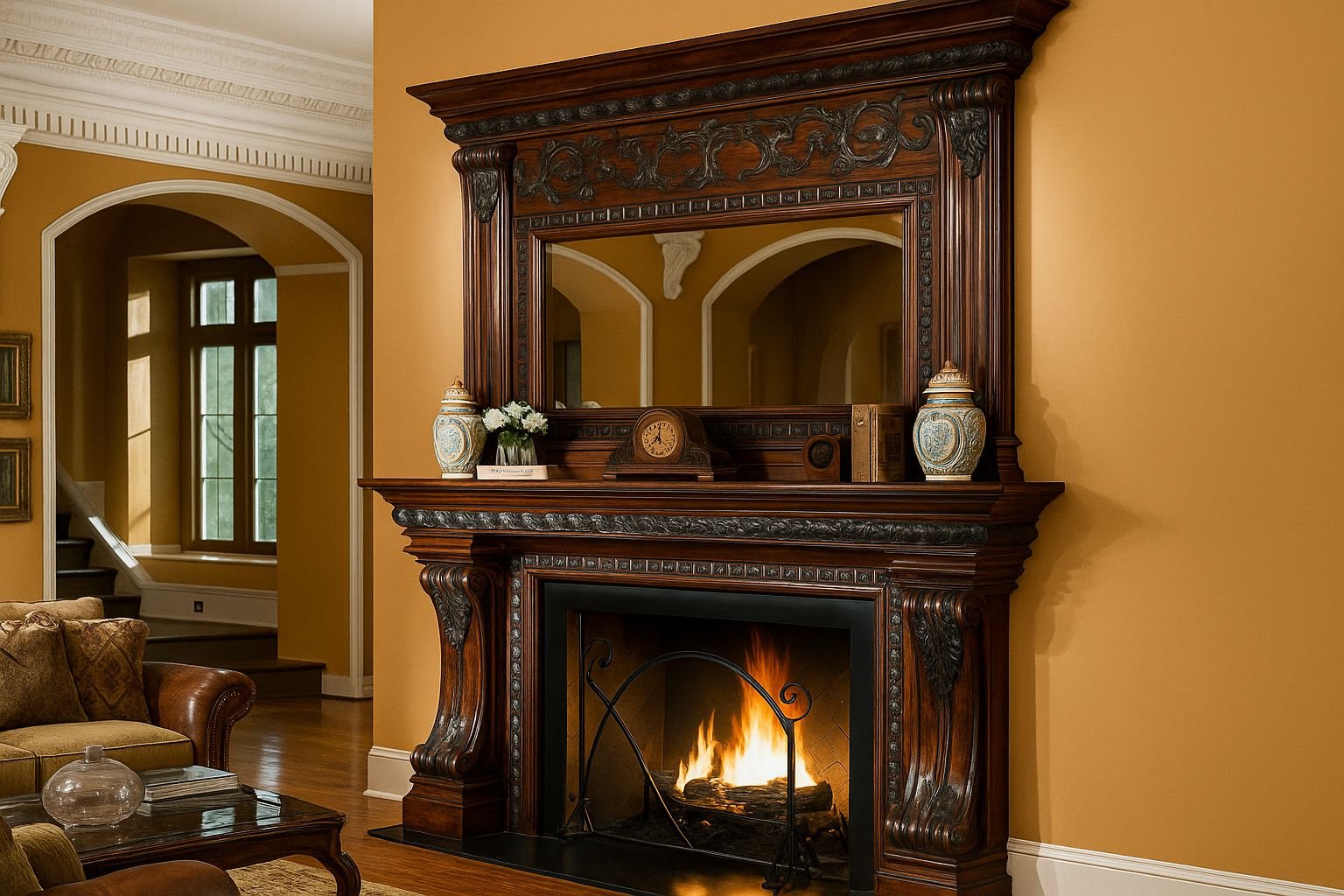
Here’s what most people don’t realize about mantels. Back in the 1700s, these things weren’t just decorative afterthoughts. They were architectural statements that could take up an entire wall. Picture walking into a Georgian mansion and seeing this massive, ornate structure dominating the room. The fireplace wasn’t just functional; it was a symbol of wealth, taste, and social standing.
Fast forward to today, and we’ve scaled things down considerably. Our modern mantels are more modest, but they’ve gained versatility in the process. The term “mantelpiece” now covers everything from the shelf where you display your knickknacks down to the actual firebox where the flames dance. It’s become an all-encompassing word for the entire fireplace assembly.
What makes a great mantel work so well as a centerpiece? It’s all about visual weight and balance. Your eye needs somewhere to land when you enter a room, and a well-designed mantel provides that perfect resting spot. It’s high enough to command attention but not so high that it feels disconnected from the rest of your furniture.
I’ve noticed that people often underestimate how much a mantel influences the entire vibe of their space. Choose something too ornate, and your cozy living room starts feeling like a museum. Go too simple, and you miss out on that sense of warmth and character that makes a house feel like home.
The beauty of focusing on your mantel as the room’s centerpiece is that everything else can be relatively simple. You don’t need expensive artwork on every wall or fancy furniture pieces competing for attention. A stunning mantel can carry the visual load while your other elements play supporting roles.
Whether you’re working with a traditional wood-burning fireplace or considering one of those sleek electric units, the mantel remains your secret weapon for creating a space that feels both polished and inviting. It’s where function meets beauty, where practicality shakes hands with style.
Materials and Safety: The Real Talk About Fireproof Design
Let’s get one thing straight right off the bat. When we’re talking about fireplace mantels, safety isn’t just a suggestion or a nice-to-have feature. It’s the foundation of everything else we’re doing here. I’ve seen too many beautiful mantels that were essentially fire hazards waiting to happen, and trust me, no aesthetic choice is worth risking your family’s safety.
Wood mantels get a lot of love, and for good reason. They’re versatile, warm-looking, and work with practically any decorating style you can imagine. But here’s the catch that many homeowners don’t think about until it’s too late. Wood and fire don’t play nicely together unless you take the proper precautions.
The flame retardant treatment process isn’t glamorous, but it’s absolutely non-negotiable. We’re talking about soaking the wood in chemical solutions that prevent it from catching fire easily. Some people worry about the environmental impact or potential health effects of these treatments. I get it, those concerns are valid. But the alternative could be watching your beautiful mantel go up in flames, possibly taking your whole house with it.
I learned this lesson the hard way when I was helping a friend install a reclaimed wood mantel. We thought we were being smart by using this gorgeous piece of old barn wood. The character, the patina, the history written in every grain line – it was perfect. What we didn’t account for was proper treatment. Three months later, during a particularly cozy evening with a roaring fire, we noticed some concerning charring on the underside of the mantel.
Stone and brick mantels sidestep this whole issue, obviously. They’re naturally fireproof and can handle direct heat without breaking a sweat. But they come with their own challenges. Weight is the big one. Your wall structure needs to be able to support what could easily be several hundred pounds of material. Installation costs go up because you need professionals who know how to anchor heavy masonry safely.
Metal mantels offer an interesting middle ground. Cast iron, steel, and even aluminum options can handle heat beautifully while giving you design flexibility that stone sometimes can’t match. The downside? They can get hot to the touch, which isn’t great if you have curious kids or pets in the house.
One thing I always tell people is to think beyond just the mantel shelf itself. The entire surround needs to meet safety standards. That means proper clearances from the firebox, appropriate materials for the hearth extension, and making sure your wall behind the fireplace can handle the heat transfer.
The building codes in your area will spell out the minimum requirements, but I always recommend going beyond the bare minimum when it comes to fire safety. An extra inch of clearance here, a more robust heat shield there – these small upgrades can make a huge difference in both safety and peace of mind.
Don’t forget about the finishing materials either. That beautiful paint or stain you’re planning to use needs to be heat-resistant. Regular interior paint can bubble, discolor, or even release toxic fumes when exposed to high temperatures. Special high-heat paints cost more, but they’re designed specifically for this application.
Shopping Smart: Finding Your Perfect Mantel Match
Shopping for a fireplace mantel can feel overwhelming if you don’t know where to start. I’ve been there, standing in a showroom surrounded by dozens of options, trying to figure out which one will look right in my specific space. The key is having a plan before you start browsing.
Start by measuring everything twice. I can’t stress this enough. You need to know not just the width of your fireplace opening, but the height of your ceiling, the depth of your hearth, and how much wall space you’re working with on either side. Nothing’s more frustrating than falling in love with a mantel only to discover it won’t fit your space.
Take photos of your room from multiple angles before you go shopping. Your memory isn’t as reliable as you think when you’re trying to visualize how a particular mantel will look in your space. I like to take wide shots that show the entire room layout, plus close-ups of the existing fireplace area. Having these on your phone makes it much easier to get helpful advice from sales staff.
Online shopping has opened up incredible options for mantels, but it comes with risks. Colors can look different on your computer screen than they do in real life. Textures and finishes that seem perfect in photos might feel cheap or rough when you actually touch them. If you’re buying online, make sure you understand the return policy completely.
Local showrooms and specialty fireplace retailers offer advantages that online shopping can’t match. You can touch the materials, see how they look under different lighting conditions, and get personalized advice from people who install these things every day. Many of these shops have relationships with contractors and can help coordinate your entire installation.
Don’t overlook architectural salvage yards if you’re after something with character. I’ve found incredible vintage mantels that would cost thousands to reproduce, selling for a fraction of that price. The trade-off is that you might need to do some restoration work, and you’ll definitely need to have them professionally evaluated for safety compliance.
Budget planning goes way beyond just the cost of the mantel itself. Installation can range from a few hundred dollars for a simple mounting job to several thousand for complex custom work. If you’re replacing an existing mantel, there might be wall repairs needed afterward. Factor in painting, decorating, and any coordinating updates you want to make to the room.
Getting multiple quotes is smart business. Prices can vary wildly between different retailers and installers. But don’t just go with the cheapest option. Ask about warranties, what exactly is included in the installation price, and whether they’ll handle any necessary permits or inspections.
Electric fireplace mantels deserve special consideration here. They’re often sold as complete units, which can actually simplify your shopping process. The mantel, firebox, and sometimes even decorative elements come together in one package. This can be more cost-effective than buying components separately, and it takes a lot of the guesswork out of ensuring everything works together aesthetically.
Custom vs. Prefab: Making the Right Choice for Your Budget and Timeline
The custom versus prefabricated debate is where things get really interesting. I’ve gone both routes over the years, and each approach has its place depending on your specific situation, budget, and timeline.
Custom mantels are like getting a tailored suit versus buying off the rack. When it works, it works perfectly. You get exactly the dimensions you need, the materials you want, and design details that reflect your personal style. I worked with a craftsman once who created this incredible mantel with hidden storage compartments and integrated lighting. It was exactly what we envisioned, and it fit the space like it had always belonged there.
But let’s talk about what custom really means in terms of time and money. We’re usually looking at 8 to 12 weeks from initial design to installation, sometimes longer if your design is particularly complex. The costs can climb quickly too. What starts as a reasonable quote for basic construction can balloon when you start adding custom details, special finishes, or unusual materials.
The design process itself requires more involvement from you. You’ll be making decisions about everything from the type of wood grain to the exact profile of the molding. Some people love this level of control. Others find it exhausting and would rather just pick something that looks good and move on with their lives.
Prefabricated mantels have come a long way in recent years. The quality has improved dramatically, and the style options are much more varied than they used to be. You can find everything from ultra-modern floating shelves to elaborate traditional designs that rival custom work. The best part? You can take one home today and have it installed this weekend.
The cost savings can be substantial. A prefab mantel that would cost $800 might require $3,000 or more to replicate with custom work. For many homeowners, that difference allows them to upgrade other aspects of their fireplace or invest in better quality materials for the prefab option they choose.
Installation is usually more straightforward with prefab units. They’re designed to mount using standard hardware and techniques. Most come with detailed instructions, and many homeowners with basic DIY skills can handle the installation themselves. This can save you several hundred dollars in labor costs.
The main limitation with prefab mantels is sizing. You need to find something that works with your existing fireplace dimensions. Sometimes this means accepting a compromise on the exact look you wanted. The proportions might not be perfect for your specific room, or the style might be close to what you envisioned but not exact.
Quality can be inconsistent with mass-produced mantels. I’ve seen beautiful display models that looked great in the showroom but had noticeable flaws when you examined them closely at home. Checking return policies and warranty coverage becomes extra important when you’re buying prefab.
One approach I’ve seen work well is a hybrid strategy. Buy a high-quality prefab mantel as your base, then customize it with additional molding, paint treatments, or decorative elements. You get the cost savings and quick turnaround of prefab with some of the personalization that comes with custom work.
Electric Fireplaces: The Game-Changing Alternative Nobody Talks About
Let me share something that might surprise you. Some of the most satisfied fireplace owners I know have electric units. Not because they couldn’t afford traditional fireplaces, but because electric technology has gotten so good that it often makes more sense than dealing with venting, gas lines, or chimney maintenance.
The biggest advantage of electric fireplace mantels is the installation flexibility. You can put them anywhere you have an electrical outlet. Want a fireplace in your bedroom? Done. How about that awkward corner in your family room that never quite worked with your furniture arrangement? Perfect spot for an electric unit. You’re not constrained by existing chimney locations or the feasibility of running new gas lines.
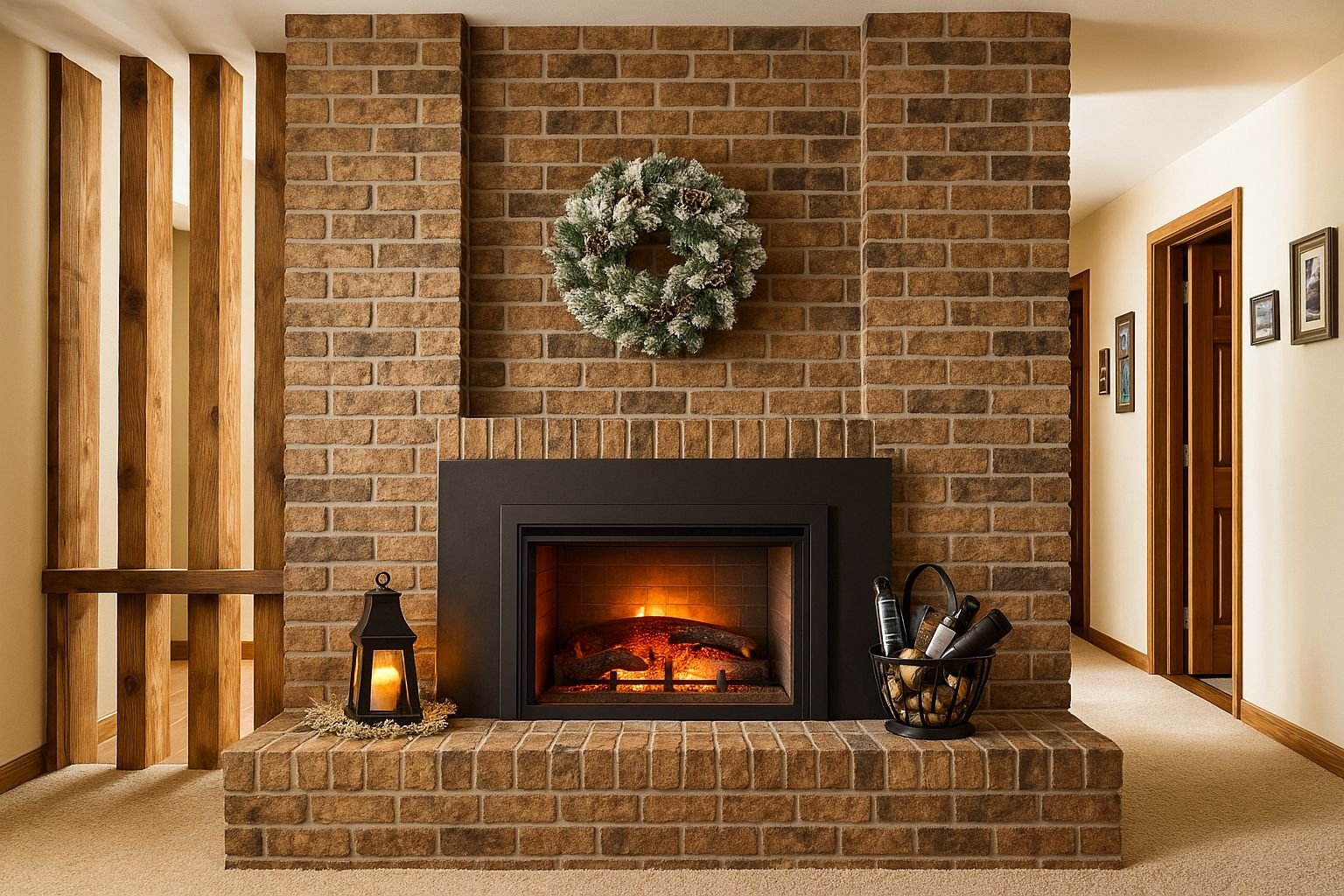
I installed an electric fireplace mantel in my own basement office a few years back. The transformation was incredible. What had been a cold, uninviting space suddenly felt cozy and welcoming. The unit I chose looks completely convincing, with realistic logs and flames that flicker and dance just like a real fire. Guests regularly comment on how nice the fireplace looks without realizing it’s electric.
The cost comparison is pretty eye-opening when you break it down honestly. A decent electric fireplace mantel package runs anywhere from $500 to $2,000. Compare that to what you’d spend on a traditional fireplace installation, which can easily hit $5,000 to $10,000 or more when you factor in masonry work, venting, permits, and professional installation.
Energy efficiency is another point in favor of electric units. Traditional fireplaces actually lose heat up the chimney, even with glass doors and efficient inserts. Electric fireplaces convert almost all their energy input into heat that stays in your room. You can heat specific areas of your house without cranking up the thermostat for the whole place.
Maintenance is practically non-existent. No chimney cleaning, no gas line inspections, no ash removal, no hauling firewood. The most complicated maintenance task is occasionally dusting the unit and maybe replacing an LED bulb every few years. For busy homeowners, this simplicity is worth a lot.
Safety features on modern electric fireplaces are impressive. Most units have automatic shut-offs if they overheat, cool-touch surfaces that won’t burn curious kids or pets, and no emissions to worry about. You get the ambiance of a fire without any of the actual fire risks.
The realism factor has improved dramatically in recent years. High-end electric fireplaces use LED technology to create flame effects that look surprisingly authentic. Some units even include crackling sound effects and glowing ember beds that add to the illusion. I’ve been in rooms where I had to look twice to confirm the fireplace was electric.
Installation is straightforward enough that many homeowners tackle it themselves. Most electric mantel packages come with clear instructions and all necessary hardware. You’re basically mounting a decorative surround to the wall and plugging in the firebox unit. No permits required, no professional installation needed unless you want to add dedicated electrical circuits.

The Future of Home Warmth: Why Electric Mantels Are Taking Over
The shift toward electric fireplace mantels isn’t just about convenience or cost savings. It represents a fundamental change in how we think about home heating and ambiance. Traditional fireplaces served a practical purpose when they were the primary heat source for homes. Now they’re mostly about creating atmosphere, and electric units excel at that job.
Smart home integration is where electric fireplaces really shine. Many newer models connect to your home WiFi network and can be controlled through smartphone apps. Imagine adjusting your fireplace temperature and flame settings from bed, or setting it to turn on automatically when you get home from work. Some units even integrate with voice assistants like Alexa or Google Home.
Environmental considerations are becoming more important to homeowners every year. Electric fireplaces produce zero direct emissions, and as our electrical grid gets cleaner with more renewable energy sources, they become even more eco-friendly. Wood-burning fireplaces contribute to air pollution, and even natural gas units produce carbon dioxide and other combustion byproducts.
The design possibilities with electric mantels are expanding rapidly. Manufacturers are creating units that look like everything from traditional brick hearths to ultra-modern linear designs that span entire walls. Some models offer interchangeable decorative elements, so you can switch from a rustic log look to contemporary glass crystals depending on your mood or the season.
Rental properties and condos benefit enormously from electric fireplace options. Landlords can add the appeal of a fireplace without worrying about liability issues or maintenance costs. Condo owners who aren’t allowed to modify existing venting or gas systems can still enjoy fireplace ambiance. The portability factor means you can take your fireplace with you when you move.
Zone heating capabilities make electric fireplaces particularly attractive as energy costs continue to rise. Instead of heating your entire house to keep one room comfortable, you can use an electric fireplace to warm just the space you’re occupying. The supplemental heating can reduce your overall energy bills while keeping you more comfortable in the rooms where you spend the most time.
Technology will continue improving the electric fireplace experience. We’re already seeing units with more realistic flame patterns, better heat distribution, and enhanced control options. Future models might include features like aromatherapy dispensers, air purification systems, or even integration with home security systems.
The stigma that once existed around electric fireplaces is fading as quality improves and more people discover their benefits. What once seemed like a poor substitute for “real” fireplaces is now recognized as a smart choice that offers advantages traditional units simply can’t match. For many homeowners, electric mantels aren’t a compromise – they’re an upgrade.

Leave a Comment