
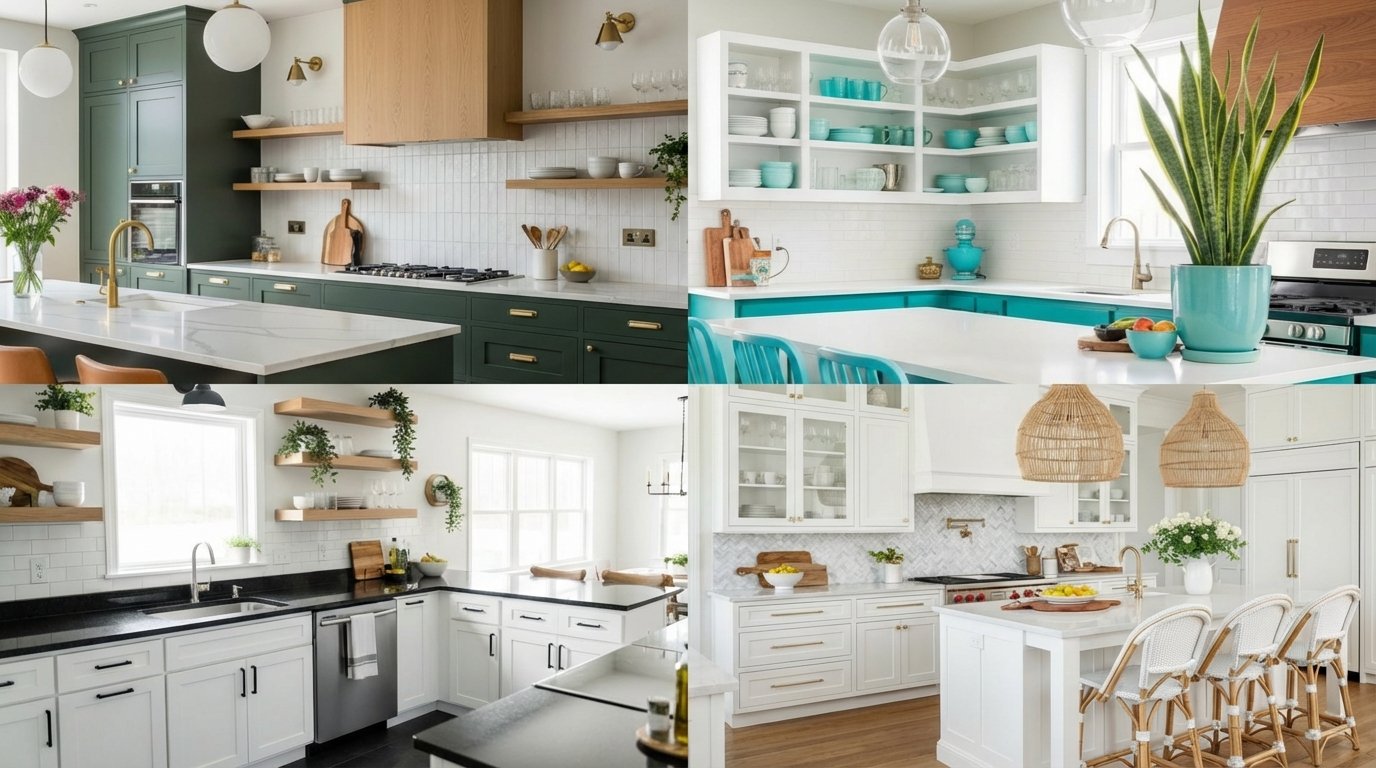
The U-shaped kitchen remains a powerhouse of efficiency in home design. This layout surrounds the cook on three sides to maximize counter space and create the perfect work triangle. Many homeowners struggle with making this layout feel open rather than boxy. You might worry about dark corners or cramped movement flows in smaller footprints.
We have curated twenty-five specific design strategies to transform your three-walled cooking area. These ideas range from smart storage hacks for tight corners to lighting choices that visually expand the room. You will find practical ways to blend aesthetics with high functionality.
Check out our related guide on Small Kitchen Storage Hacks for more organization tips.
Key Takeaways
- Workflow Mastery
The U-shape naturally supports the golden triangle of sink, stove, and fridge for effortless cooking. - Visual Expansion
Strategic lighting and open shelving stop the room from feeling closed in or heavy. - Corner Optimization
Blind corners become valuable assets with the right pull-out hardware and design choices. - Design Versatility
This layout adapts to everything from ultra-modern flat panels to cozy farmhouse wood textures.
Contents
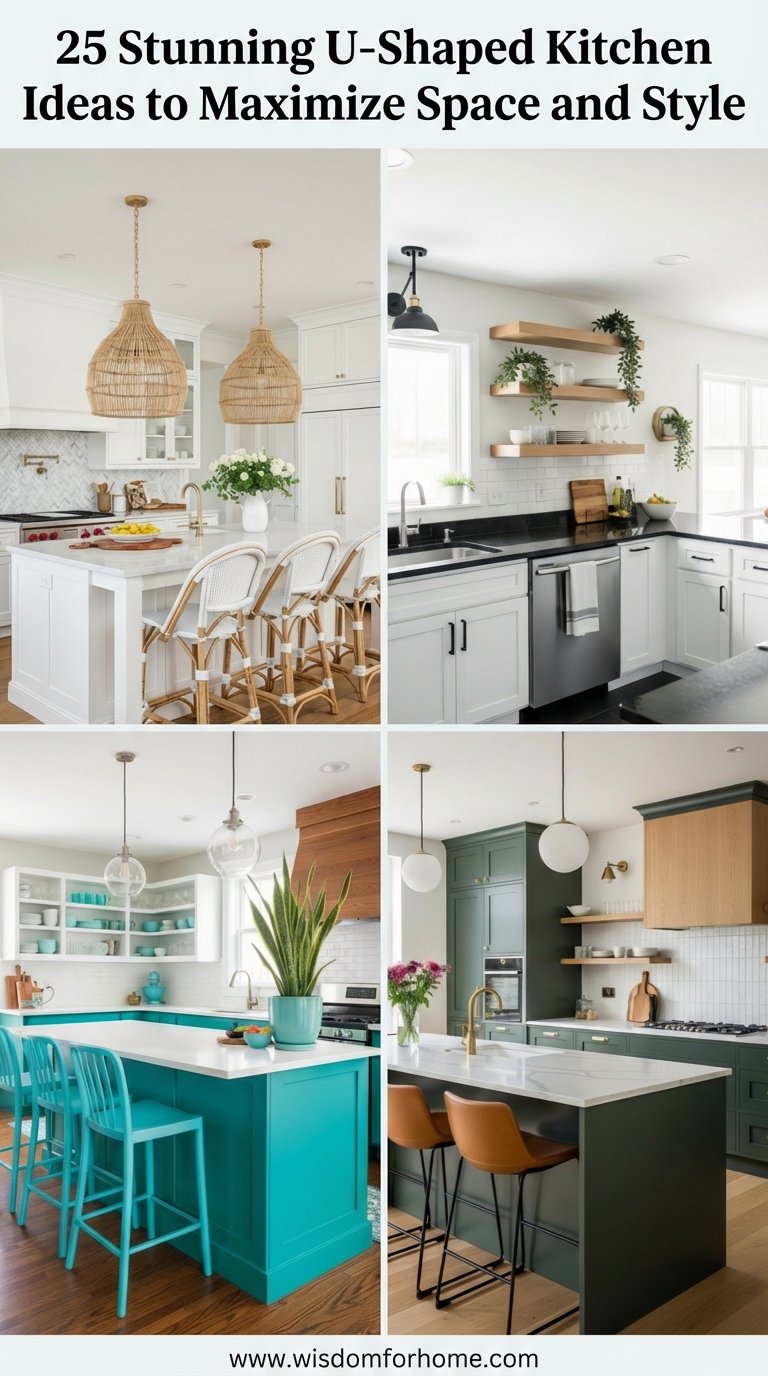
- Turn the backsplash into the main attraction
- Choose two different cabinet colors
- Get creative with kitchen storage
- Make it simple
- Go with an eye-catching countertop
- Get matchy-matchy
- Be clever with decor choices
- Consider the workflow of your kitchen
- Warm things up with wood
- Weave in midcentury touches
- Consider a vaulted ceiling
- Amp up the drama with black cabinets
- Make it light and bright
- Ponder flat panel cabinets
- Punctuate the layout with stylish stools
- Pull your kitchen away from the walls
- Save space with slim-profile appliances and cabinets
- Display a striking chandelier
- Think onwards and upwards
- Opt for classic white tile
- Center the layout around a window
- Liven up the flooring
- Don’t be afraid of color
- Place a dining space alongside the kitchen
- Hang multiple pendant lights
- Popular Asked Questions
Turn the backsplash into the main attraction
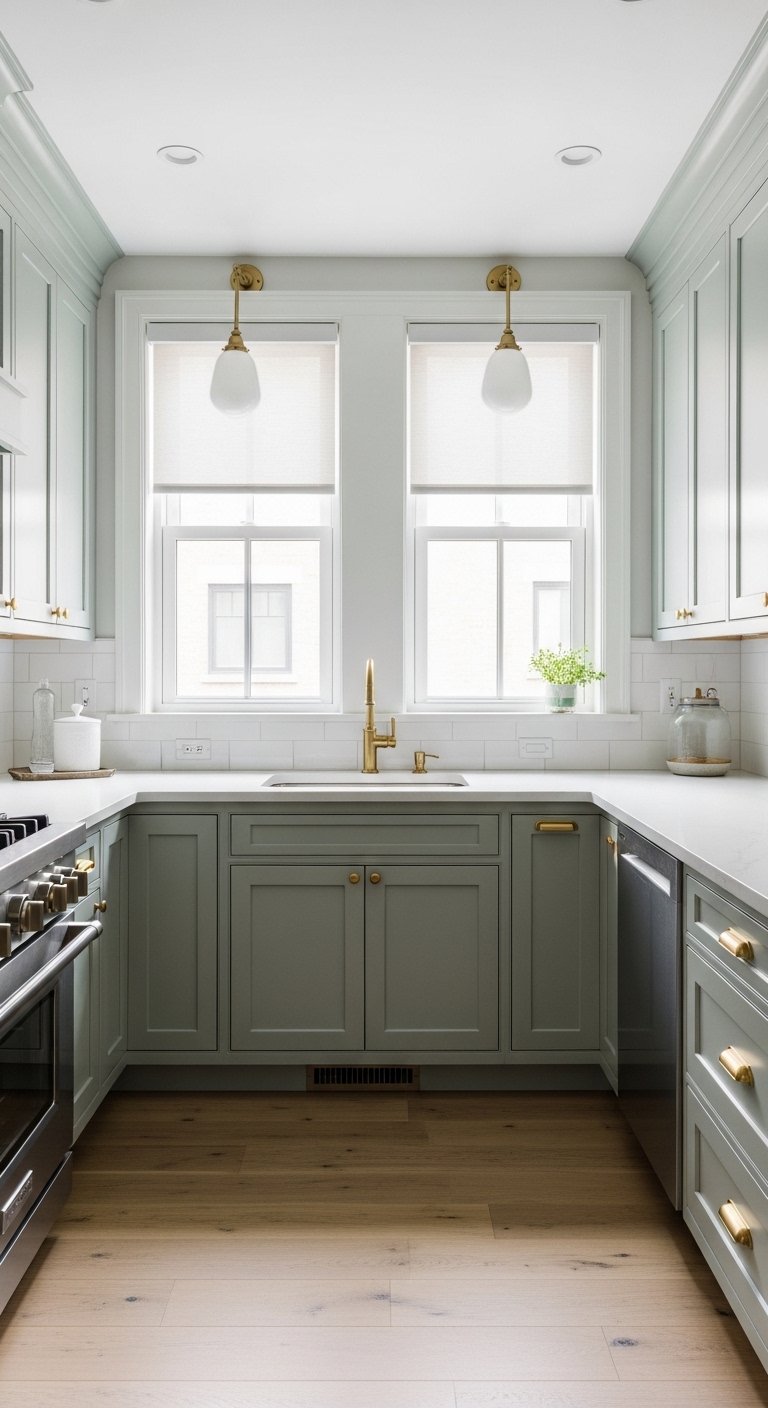
A U-shaped kitchen surrounds you with cabinetry and often leaves little room for wall art. The backsplash becomes your primary canvas for personal expression. High-impact tiles draw the eye horizontally and make the room feel wider than it actually is. You can create a stunning focal point using geometric patterns or bold colors that contrast with neutral cabinets. This approach adds depth to the room without taking up valuable floor space.
Textured tiles like handmade zellige or three-dimensional ceramics catch the light beautifully. This play of light adds movement to the space. You should extend the tile all the way to the ceiling around windows or range hoods. This vertical extension lifts the eye and makes the ceiling feel higher. A bold backsplash does the heavy lifting for the entire design scheme.
Pro Tip
Use epoxy grout for high-traffic splash zones to prevent staining and ensure easier cleaning.
Choose two different cabinet colors
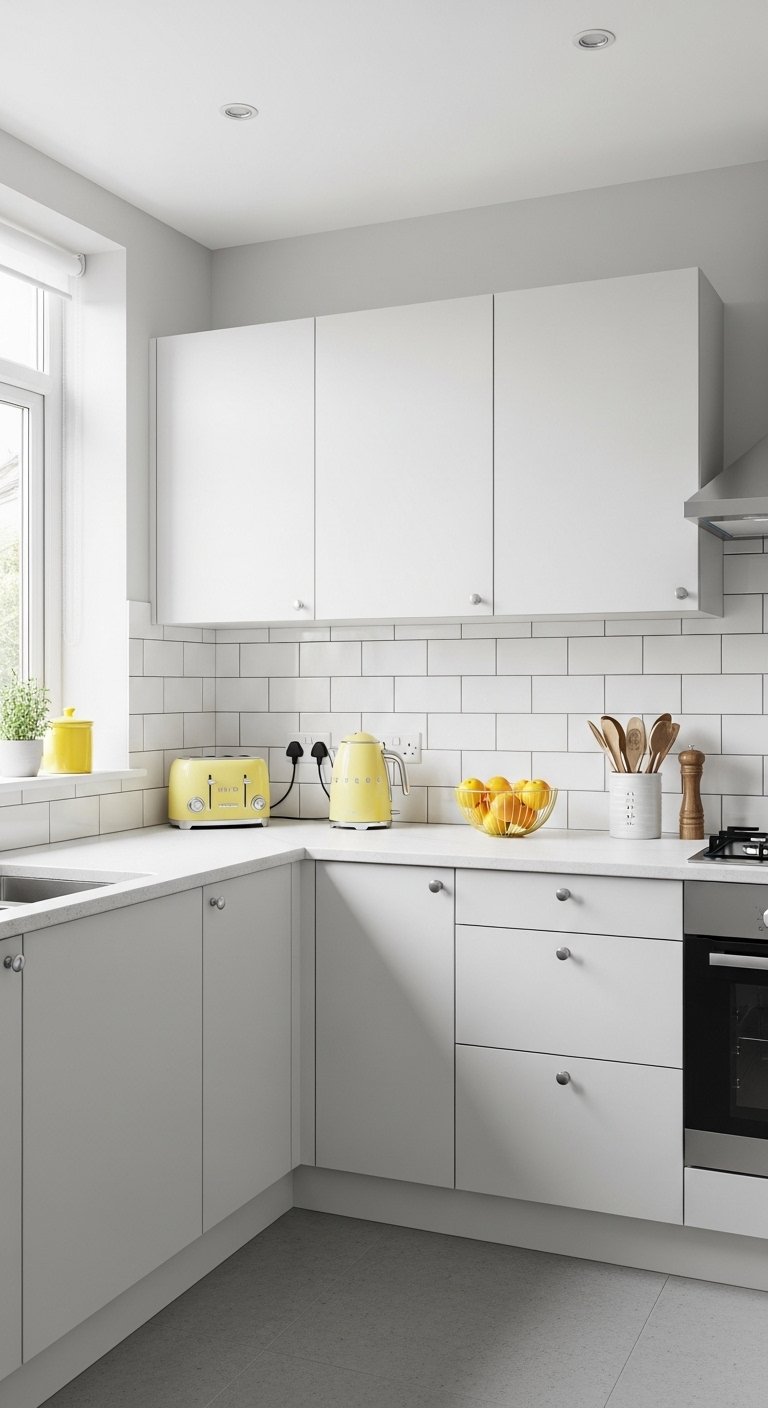
Monochromatic kitchens can sometimes feel heavy or boxy in a U-shaped layout. A two-toned approach breaks up the visual mass effectively. You can anchor the room by using a darker shade like navy, charcoal, or forest green on the lower cabinets. Lighter shades like white, cream, or pale gray on the upper cabinets keep the room feeling airy and open.
This technique grounds the space while maintaining a sense of height. The separation of color creates a distinct horizon line that tricks the eye into seeing a larger room. You can also apply this logic to a pantry wall or a peninsula to define specific zones. The contrast between the two tones adds instant architectural interest without needing structural changes.
Pro Tip
Keep the hardware finish consistent across both cabinet colors to tie the look together.
Get creative with kitchen storage
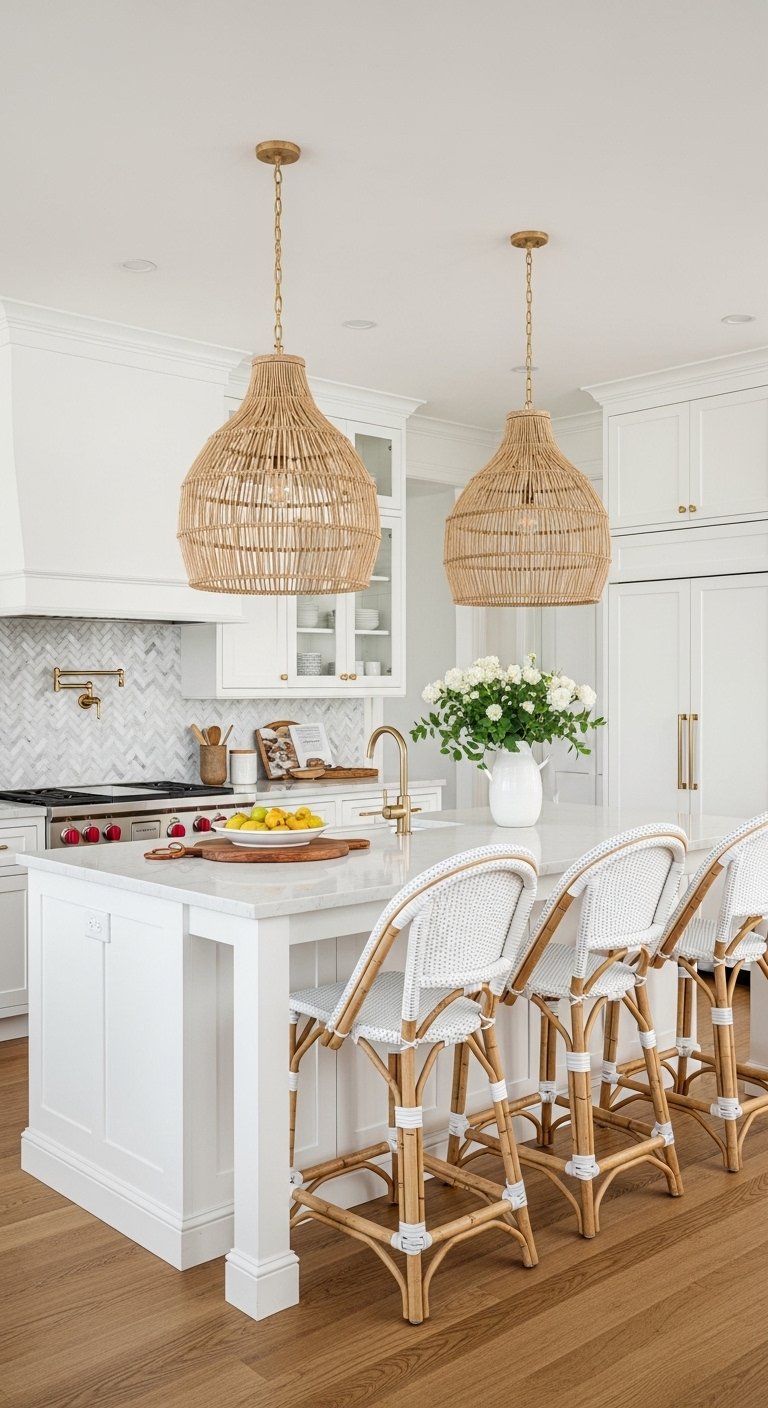
The corners of a U-shaped kitchen present the biggest challenge and the biggest opportunity. Standard cabinets often leave “dead zones” where items get lost forever. Modern pull-out organizers and kidney-shaped Lazy Susans reclaim this lost territory. These mechanisms swing distinct contents out into the light for easy access.
Vertical dividers serve well for baking sheets and cutting boards in narrow gaps near the stove. Deep drawers often function better than lower cupboards for pots and heavy pans. Custom drawer inserts keep utensils and spices from becoming a jumbled mess. Every inch of internal real estate matters when three walls of cabinetry enclose the user.
Pro Tip
Install toe-kick drawers under lower cabinets to store flat items like placemats or extra baking sheets.
Make it simple
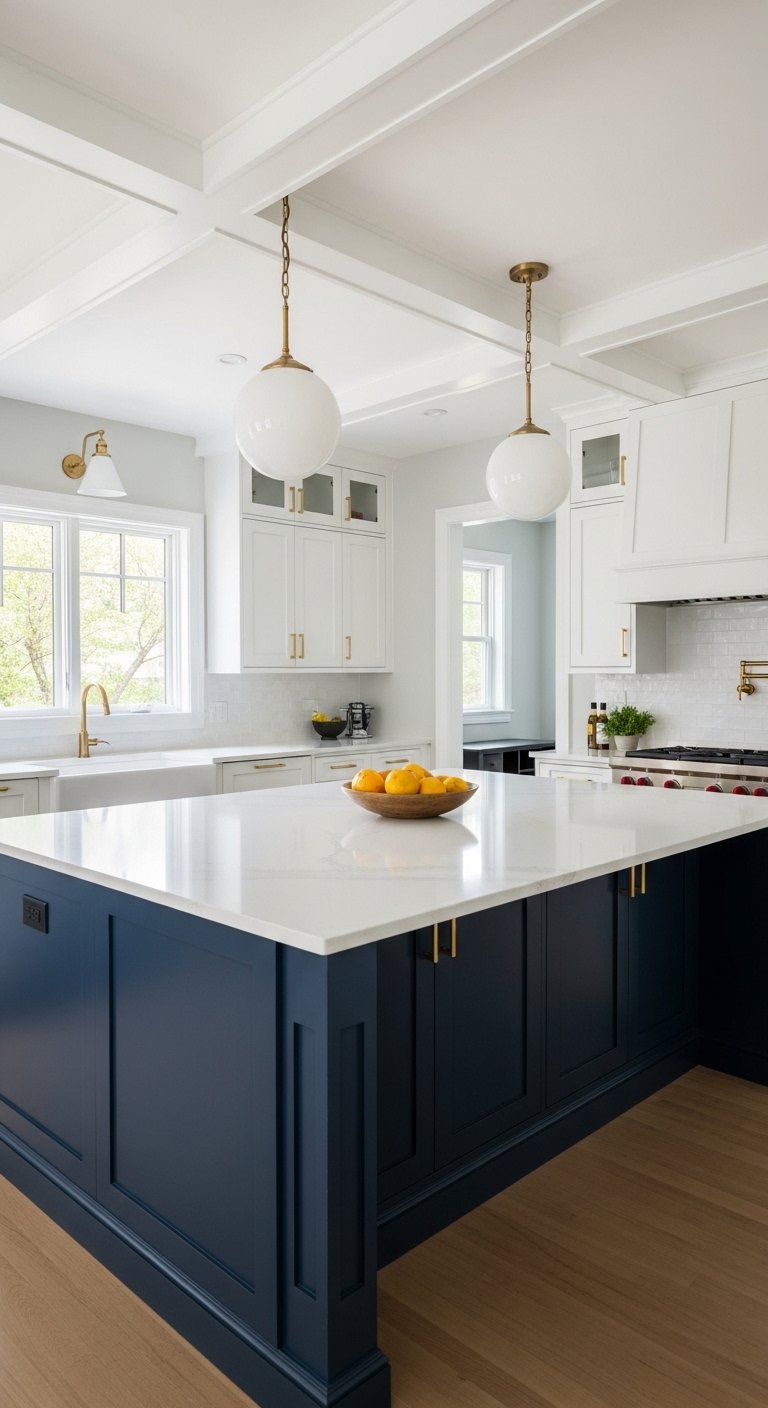
Visual clutter shrinks a room faster than anything else. A minimalist approach works wonders in U-shaped layouts by keeping lines clean and surfaces clear. Handless cabinetry or push-to-open latches remove visual noise caused by hardware knobs and pulls. The result is a sleek and uninterrupted flow of color and material.
You should prioritize closed storage to hide small appliances and countertop clutter. Clear counters reflect more light and allow the geometry of the kitchen to shine. A limited color palette of whites, woods, and soft grays prevents the space from feeling chaotic. Simplicity in design allows the quality of the materials to become the star of the show.
Pro Tip
Choose an undermount sink to maintain a continuous line along your countertop surface.
Go with an eye-catching countertop
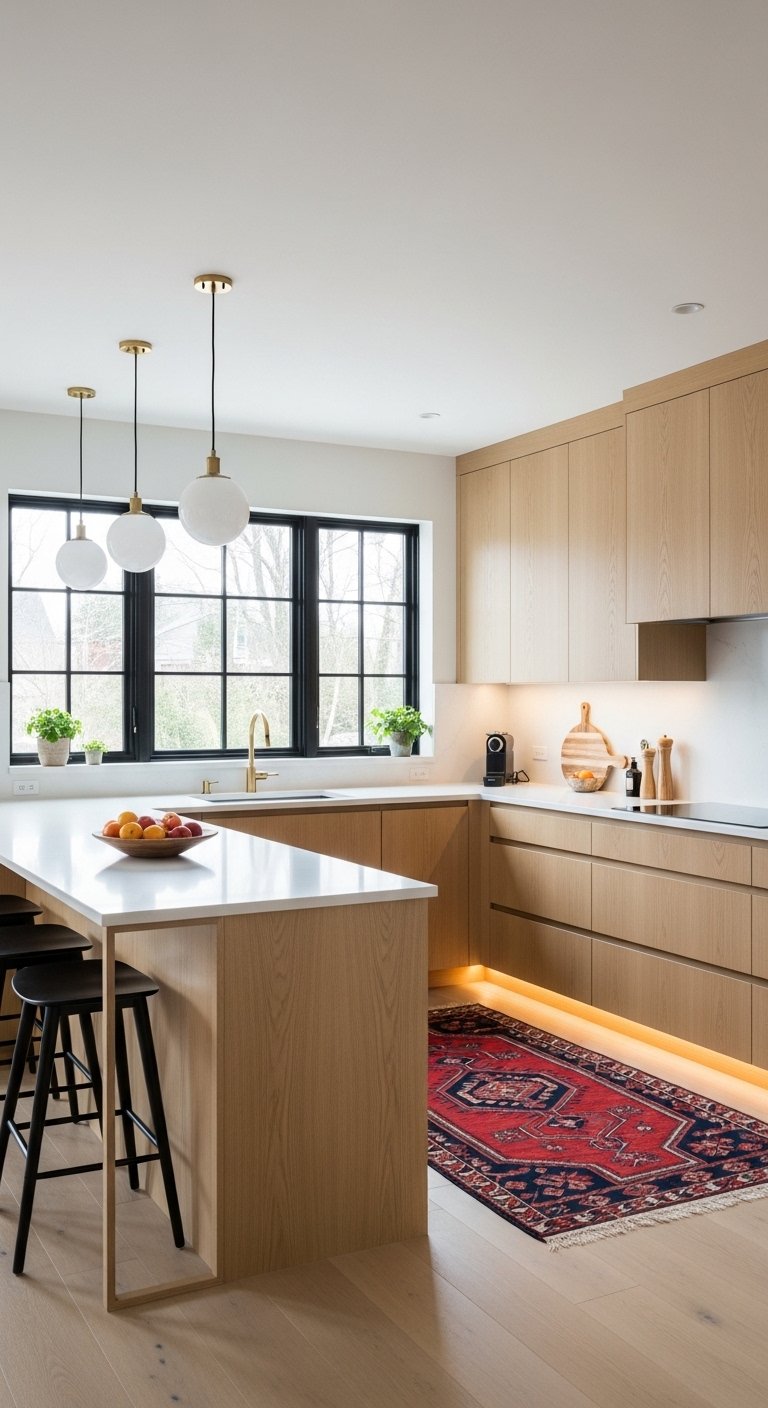
The countertop acts as the workhorse and the visual bridge in a U-shaped kitchen. Since you have three sides of surface area, the material you choose makes a massive impact. Natural stone with dramatic veining like marble or quartzite leads the eye around the room. The continuous flow of the pattern unifies the three distinct zones of the layout.
Waterfall edges on the exposed end of a peninsula add a touch of luxury and modernism. This design wraps the countertop material down the side of the cabinet to the floor. It creates a clean barrier and showcases the beauty of the stone. A high-contrast countertop against simple cabinets creates a sophisticated balance.
Pro Tip
Select a quartz material for the look of marble with superior durability and stain resistance.
Comparison: Countertop Materials
| Material | Pros | Cons | Best For |
|---|---|---|---|
| Quartz | Non-porous, consistent patterns, zero maintenance. | Can serve expensive, sensitive to high heat. | Busy family kitchens. |
| Marble | Unmatched natural beauty, unique veining, stays cool. | Porous, stains easily, etches with acid. | Baking stations and luxury looks. |
| Butcher Block | Adds warmth, soft on dropped dishes, affordable. | Requires oiling, can scratch or dent. | Rustic and cottage styles. |
Get matchy-matchy
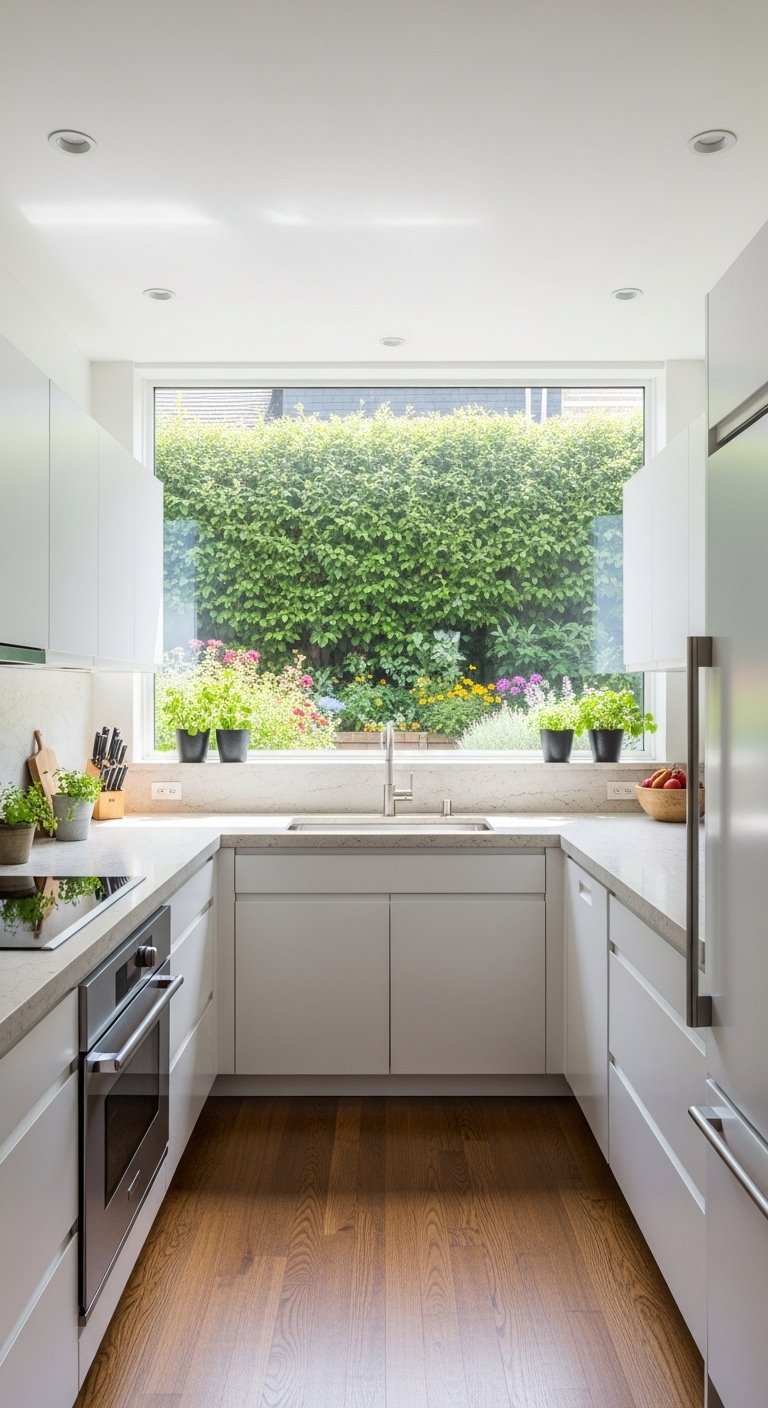
Cohesion creates calm. Using the same material for your countertops and your backsplash creates a seamless, high-end look. This “slab splash” technique eliminates grout lines and simplifies the visual palette. The eye glides effortlessly from the horizontal surface up the vertical wall without interruption.
This strategy works particularly well in smaller U-shaped kitchens where too many transitions look busy. Marble, quartz, or solid surface materials fit this application perfectly. The continuous stone creates a sense of luxury and custom design. It makes the kitchen feel like one unified architectural block rather than a collection of parts.
Save this idea to your Pinterest.
Be clever with decor choices
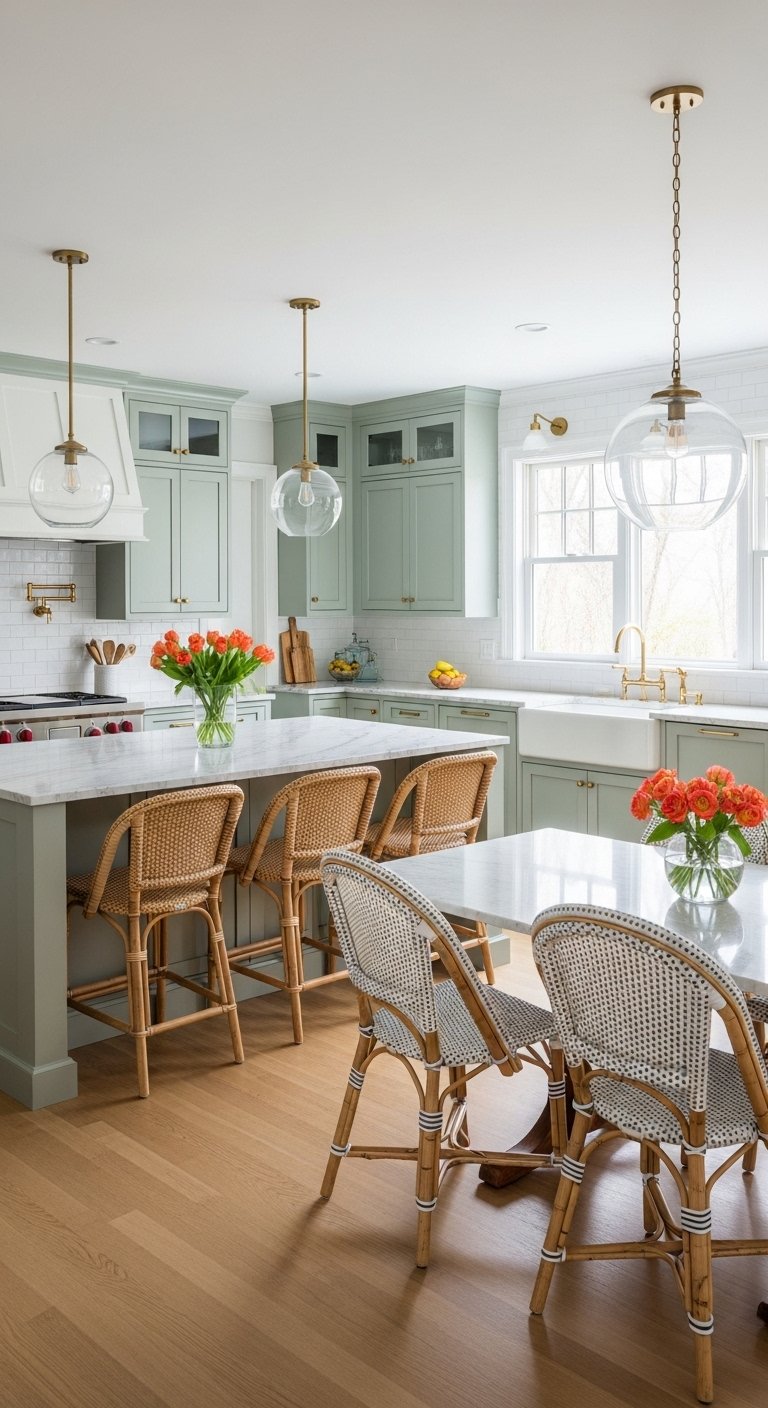
Kitchens deserve personality just like living rooms. You can soften the hard edges of cabinetry and appliances with thoughtful decor. A vintage runner rug adds color and comfort underfoot while guiding the eye through the U-shape. Open shelves offer a place to display beautiful ceramics, cookbooks, or plants.
Art frames leaning against the backsplash introduce culture and color. Wooden cutting boards and ceramic crocks for utensils serve as functional decor that adds texture. The key lies in selecting items that are both beautiful and useful. These small touches break up the monotony of cabinet doors and make the space feel lived-in and welcoming.
Pro Tip
Stick to a group of three items when styling countertops to maintain visual balance.
Consider the workflow of your kitchen
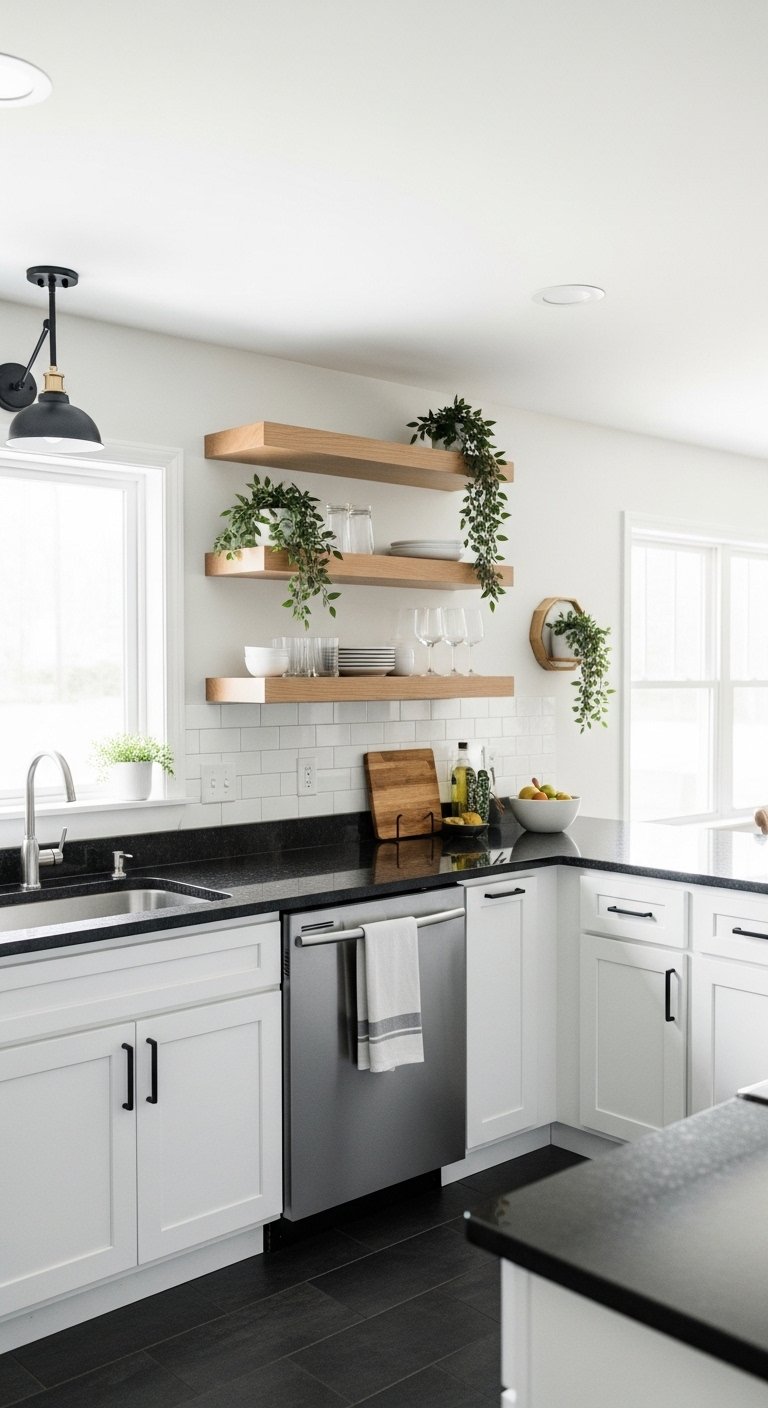
The primary advantage of the U-shape is the “Work Triangle.” This concept positions the sink, refrigerator, and stove on adjacent walls to minimize steps. You should ensure the path between these three points remains unobstructed by islands or trash cans. The cook can pivot easily between washing, chopping, and sautéing.
Counter space next to the stove and refrigerator allows for safe landing zones for hot pans and grocery bags. The dishwasher should reside immediately next to the sink to prevent drips on the floor. Smart zoning makes cooking faster and cleaning easier. Function must always dictate the placement of major appliances in this layout.
Warm things up with wood
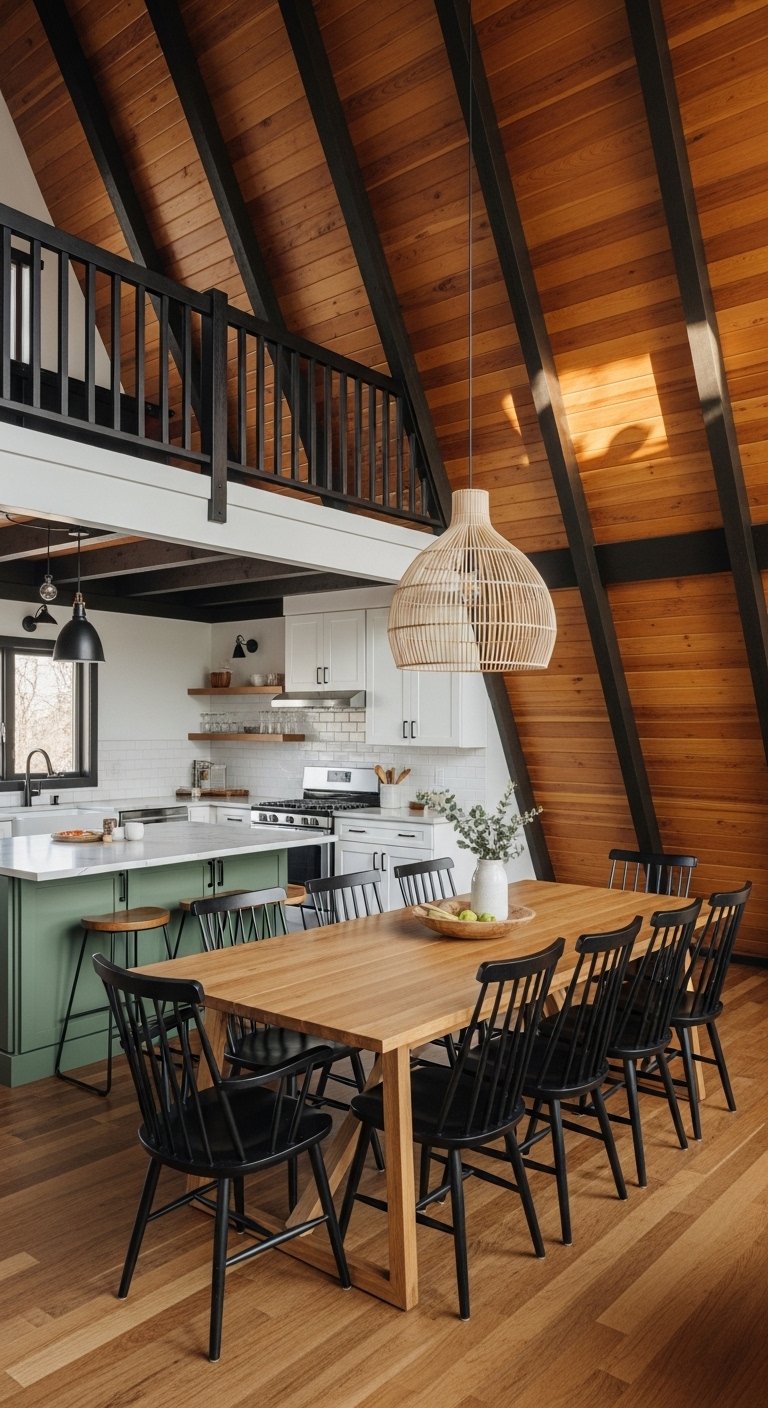
All-white kitchens can sometimes feel sterile or cold. Wood elements introduce organic texture and natural warmth instantly. You might choose white oak lower cabinets paired with painted uppers for a grounded, earthy feel. Floating wood shelves break up a wall of tile and add accessible storage.
Even small doses of wood make a difference. Bar stools with wooden legs, butcher block countertops, or bamboo blinds add necessary softness. The grain patterns in wood provide a subtle visual interest that solid colors lack. This material connects the kitchen to nature and creates a cozy atmosphere.
Pro Tip
Mix wood tones carefully by keeping the undertones (warm vs cool) consistent across the room.
Weave in midcentury touches
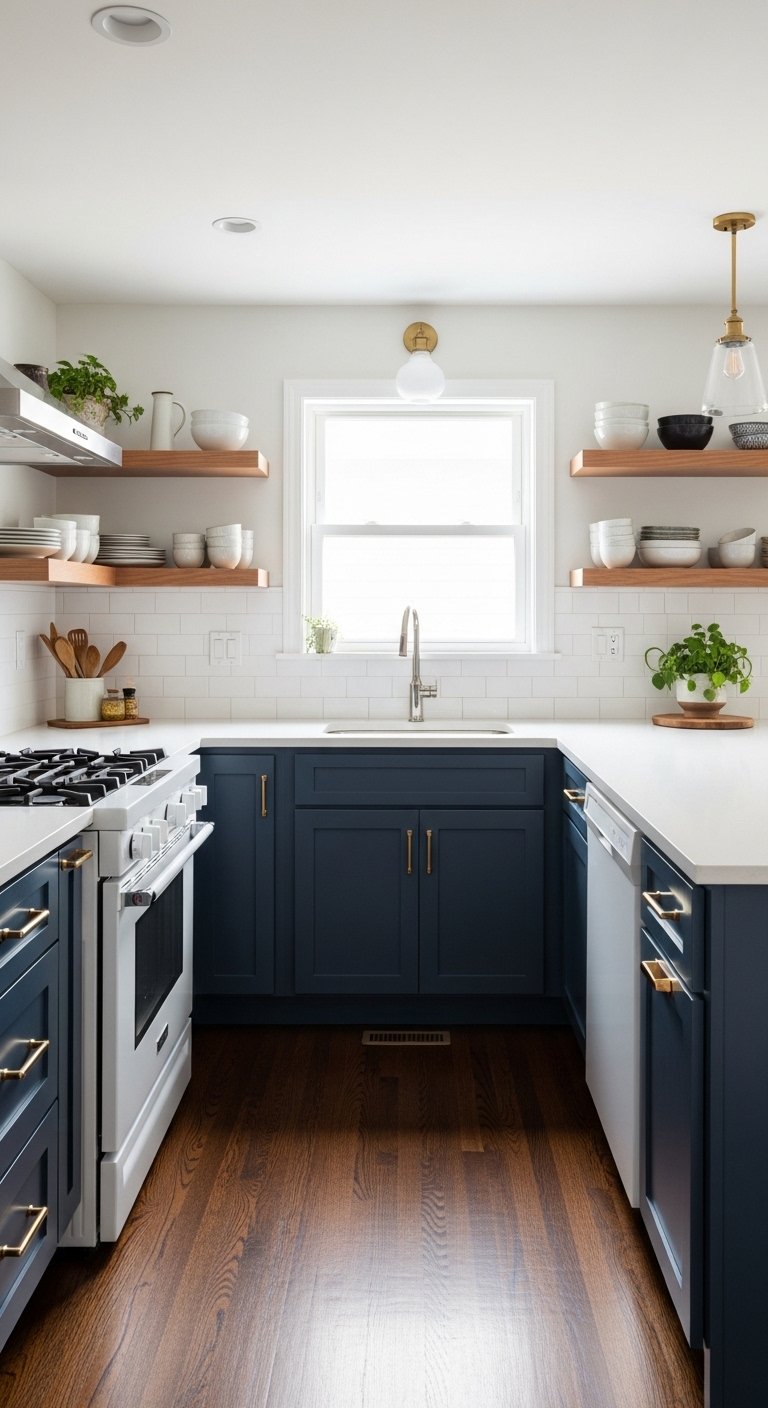
Midcentury modern design favors clean lines, functionality, and organic shapes. This style fits the efficient U-shaped layout perfectly. You can incorporate flat-front cabinetry with warm walnut or teak finishes. Angular legs on an island or peninsula stools evoke the retro aesthetic.
Geometric tile patterns in the backsplash or flooring add a playful vibe typical of the era. Globe pendant lights or sputnik-style chandeliers serve as period-correct focal points. This design style balances minimalism with character. It feels timeless yet distinctively stylish.
Get The Look: Midcentury Modern
- Cabinetry: Walnut veneer with flat slab doors.
- Hardware: Sleek brass finger pulls or matte black knobs.
- Lighting: Opal glass globe pendants or brass sconces.
- Palette: Mustard yellow, olive green, or burnt orange accents.
Consider a vaulted ceiling
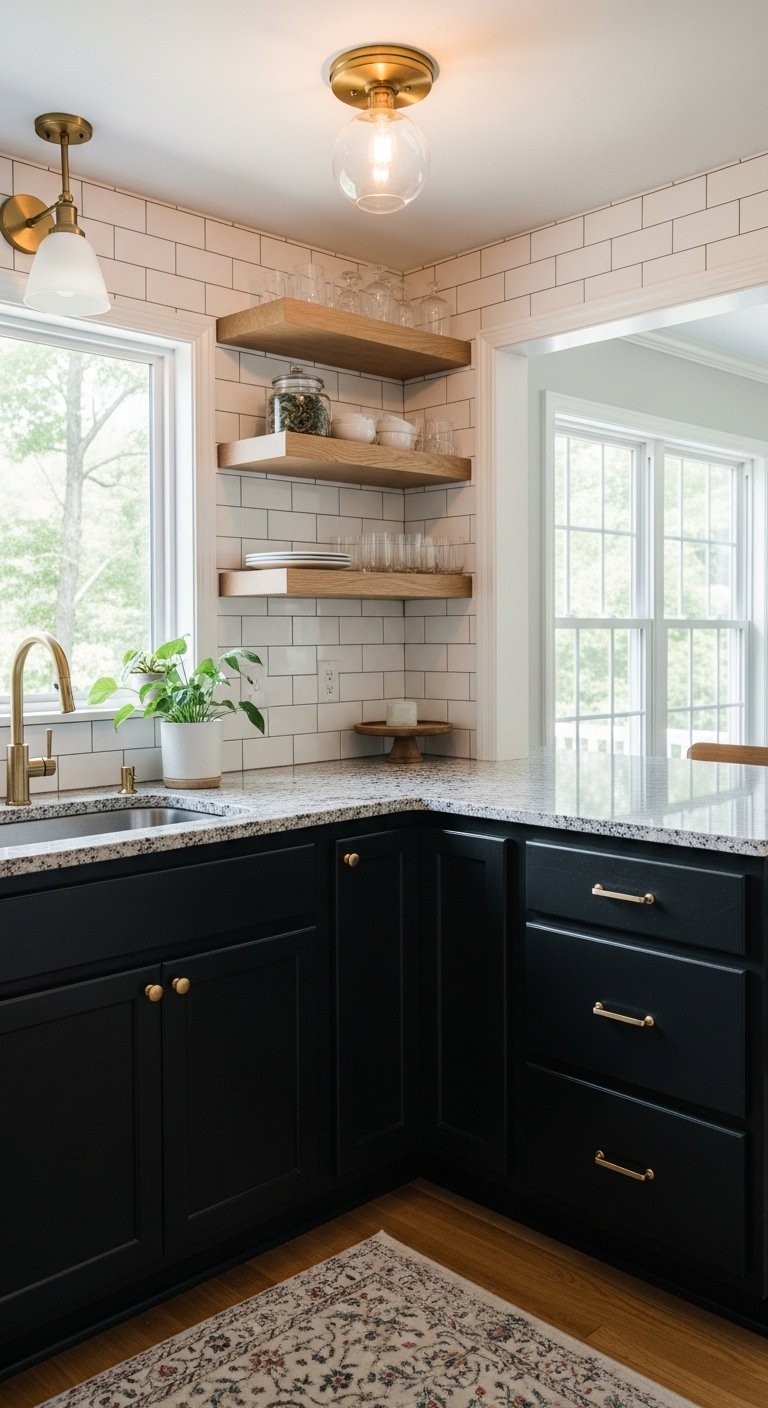
A U-shaped kitchen can feel narrow if the ceilings are low. Vaulting the ceiling dramatically increases the volume of the room. The extra vertical space draws the eye upward and makes the footprint feel larger. Exposed wooden beams accentuate the height and add architectural charm.
Skylights installed in a vaulted ceiling flood the workspace with natural light. This reduces the need for artificial lighting during the day. If structural vaulting is impossible, removing a drop ceiling or painting the ceiling a bright white helps. Verticality combats the enclosed feeling of three walls of cabinets.
Pro Tip
Hang pendant lights on longer cords to bridge the gap between the high ceiling and the workspace.
Amp up the drama with black cabinets
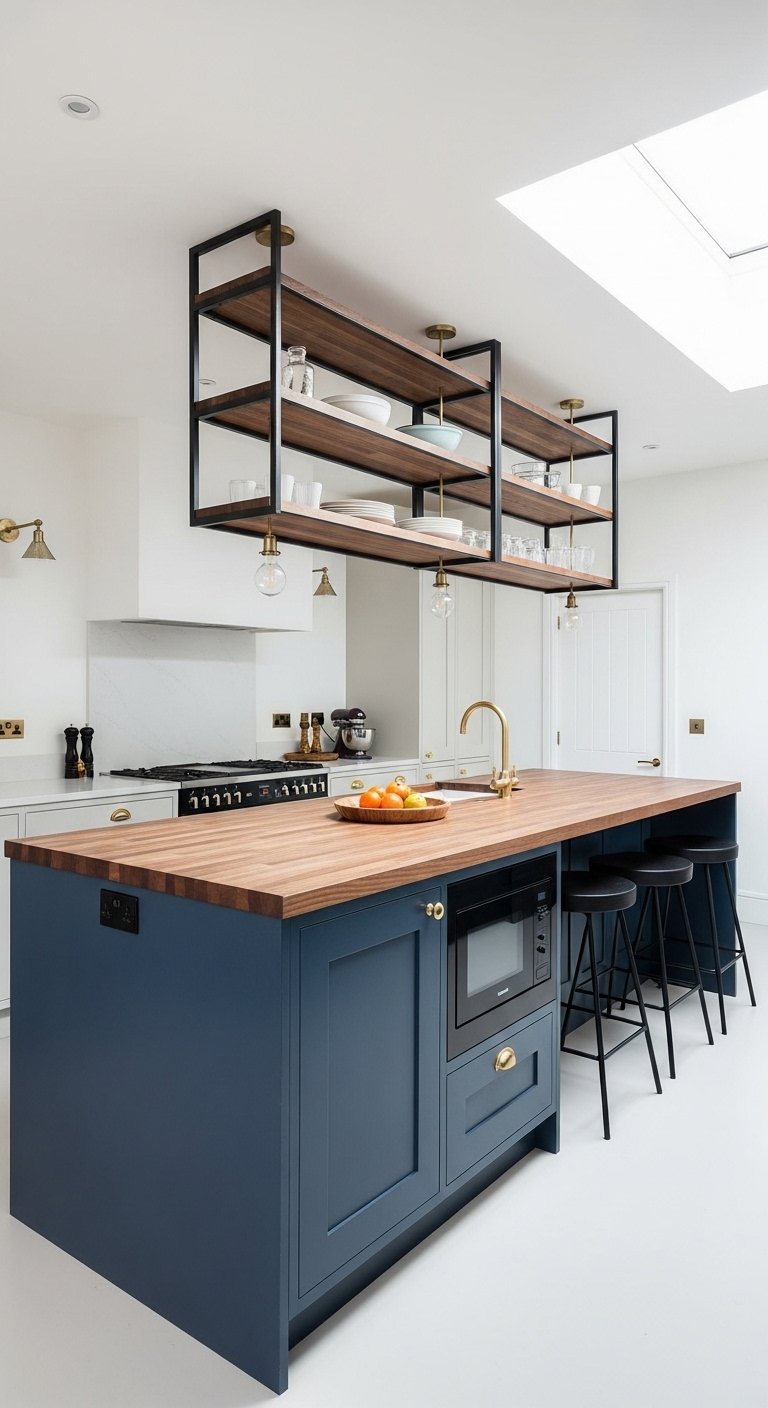
Dark kitchens exude sophistication and moodiness. Matte black or charcoal cabinetry creates a striking silhouette against lighter countertops and walls. This bold choice makes the boundaries of the room recede visually in low light. It creates a cozy, intimate environment for evening cooking and entertaining.
Brass or gold hardware pops brilliantly against a dark background. The contrast creates a jewelry-like effect that feels luxurious. You should ensure adequate lighting exists to prevent the room from becoming a cave. Under-cabinet lighting becomes essential to keep workspaces functional and bright.
Pro Tip
Opt for anti-fingerprint finishes on black cabinets to keep maintenance manageable.
Make it light and bright
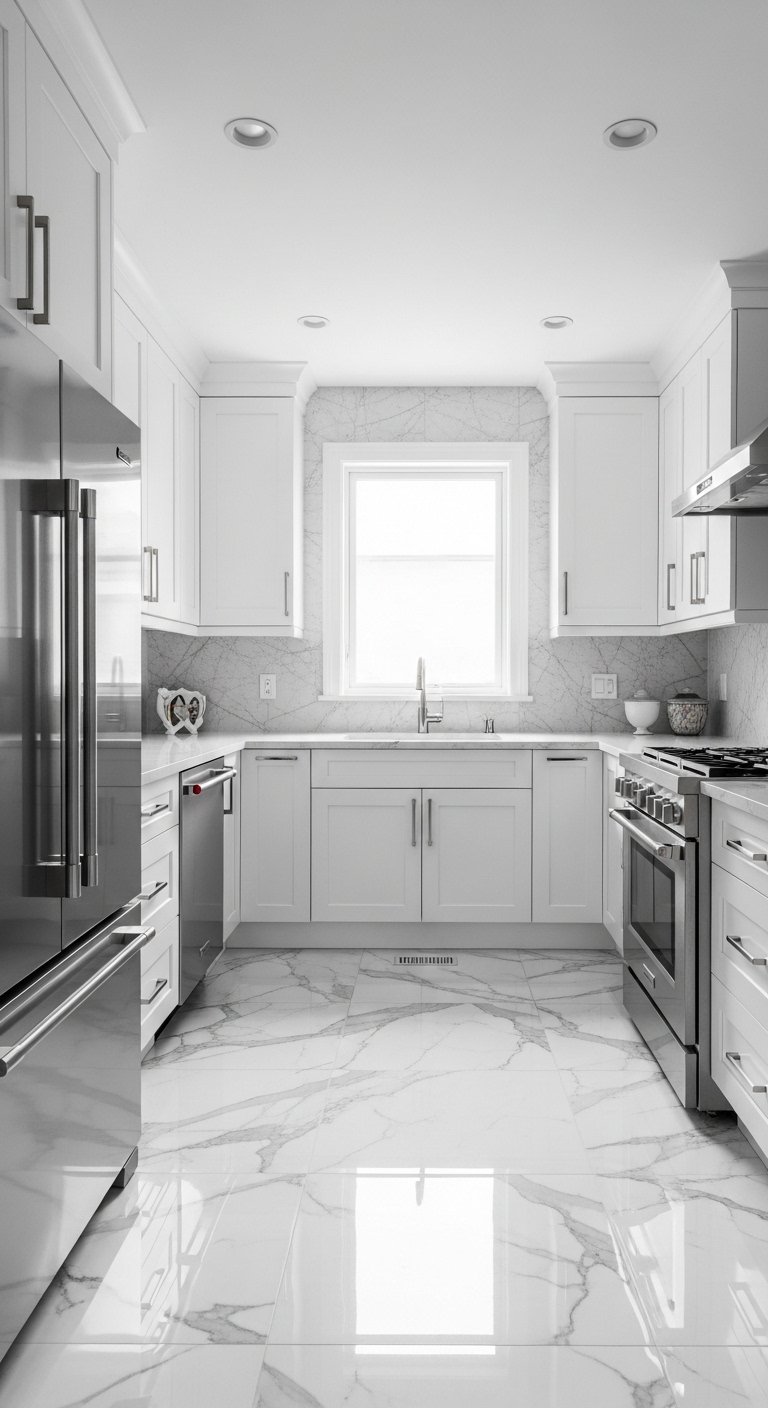
Light colors reflect light and maximize the sense of space. An all-white or soft cream palette works best for small or windowless U-shaped kitchens. Glossy finishes on cabinets or backsplashes bounce light around the room. This reflection blurs the edges of the room and makes it feel expansive.
Glass-front cabinet doors add depth by allowing the eye to travel through to the back of the cabinet. Pale countertops and light wood floors continue the airy theme. The goal involves eliminating shadows and dark corners. A bright kitchen feels clean, energized, and open.
Ponder flat panel cabinets
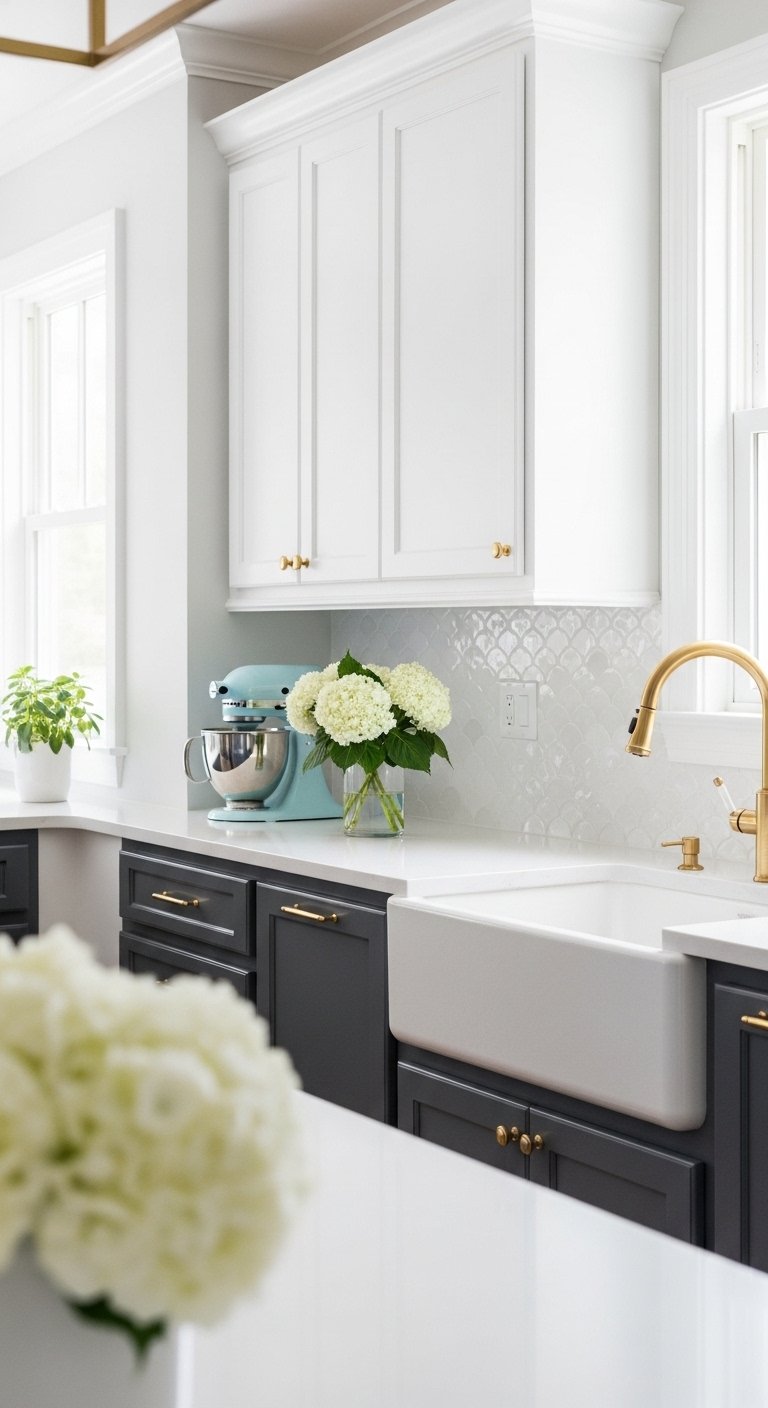
Flat panel or “slab” doors offer the ultimate modern look. They lack the recessed panels of shaker style doors which collect dust and visual shadow. This streamlined surface makes the kitchen appear larger and less busy. The smooth face highlights the finish of the material, whether it be high-gloss paint or textured wood grain.
Cleaning these cabinets requires nothing more than a quick wipe. They suit contemporary, industrial, and Scandinavian design styles perfectly. In a tight U-shaped layout, the lack of protruding details prevents caught clothing and bumps. They provide a calm canvas for other design elements to shine.
Pro Tip
Use push latches to eliminate handles entirely for a truly seamless wall of storage.
Punctuate the layout with stylish stools
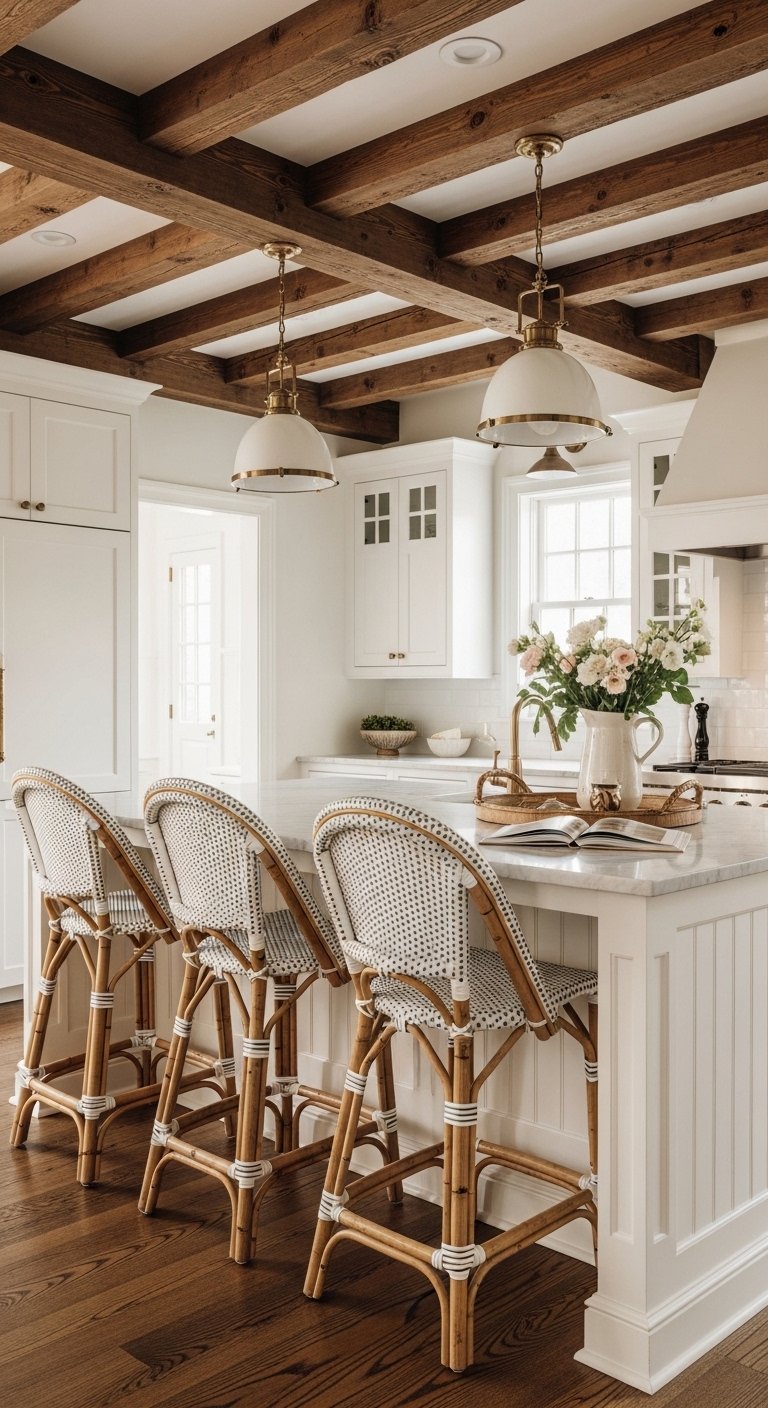
Many U-shaped kitchens terminate with a peninsula that opens into a dining or living area. This creates a prime spot for bar seating. The stools you choose act as the jewelry for this outer edge. They provide an opportunity to introduce texture like leather, rattan, or velvet.
Select stools with a back profile that complements your design, as the back is what you see most. Low-back stools tuck away neatly to save space visually. Statement stools with bold colors or unique shapes define the transition between kitchen and living zones. They invite social interaction while the cook works.
Save this idea to your Pinterest.
Related posts :
- 10 Kitchen Trends That Will Be Huge
- The Ultimate Guide to Kitchen Cabinet Styles
- Small Kitchen Layout Ideas
Pull your kitchen away from the walls
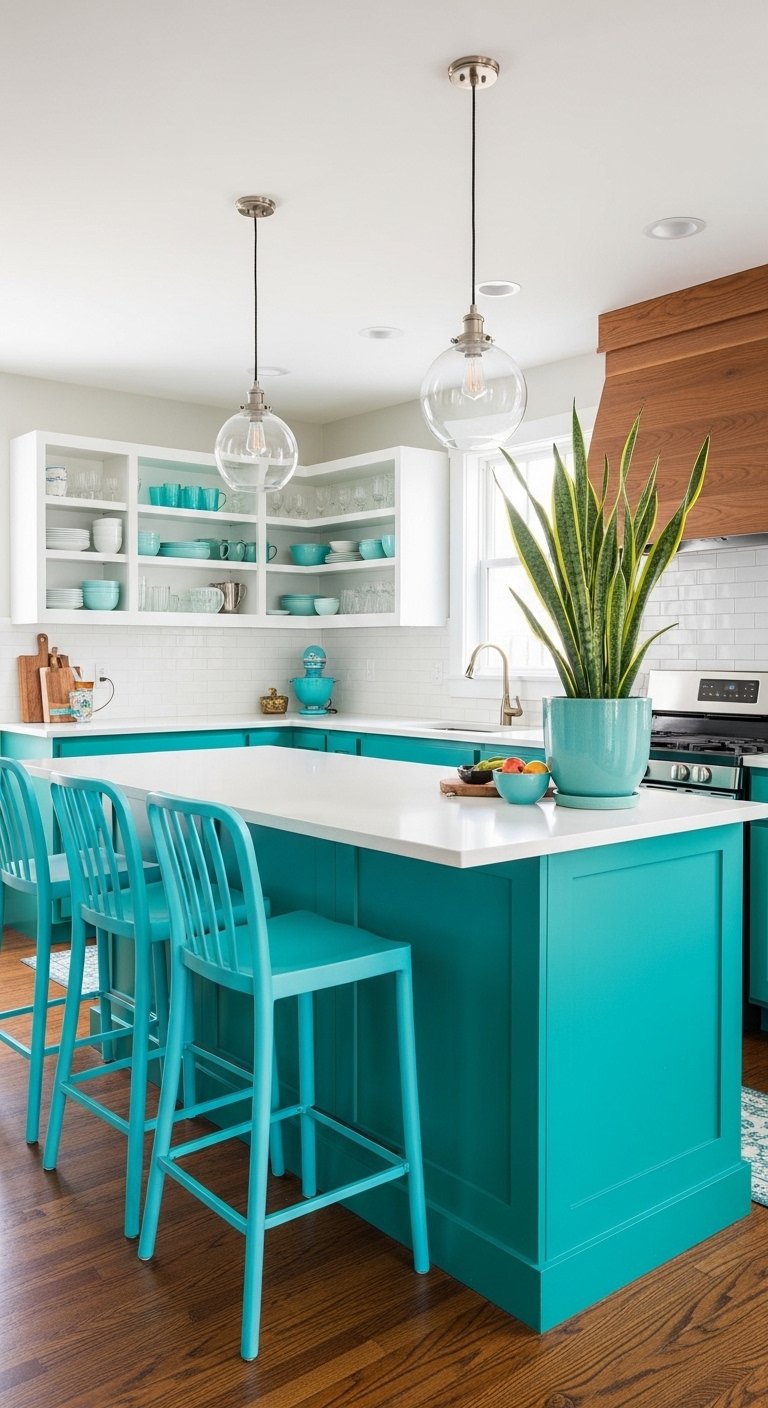
Standard U-shapes hug three walls, but “floating” a leg of the U allows for an open-concept feel. You can use a peninsula as the third leg instead of a full-height wall. This maintains the efficient workflow while opening sightlines to the rest of the home. The chef stays connected to family and guests.
This layout allows light from adjacent rooms to penetrate the kitchen. It creates a physical boundary for the kitchen zone without closing it off visually. The back of the peninsula cabinets can be finished with decorative panels or shiplap to face the living area. This integration makes the home feel cohesive and spacious.
Save space with slim-profile appliances and cabinets
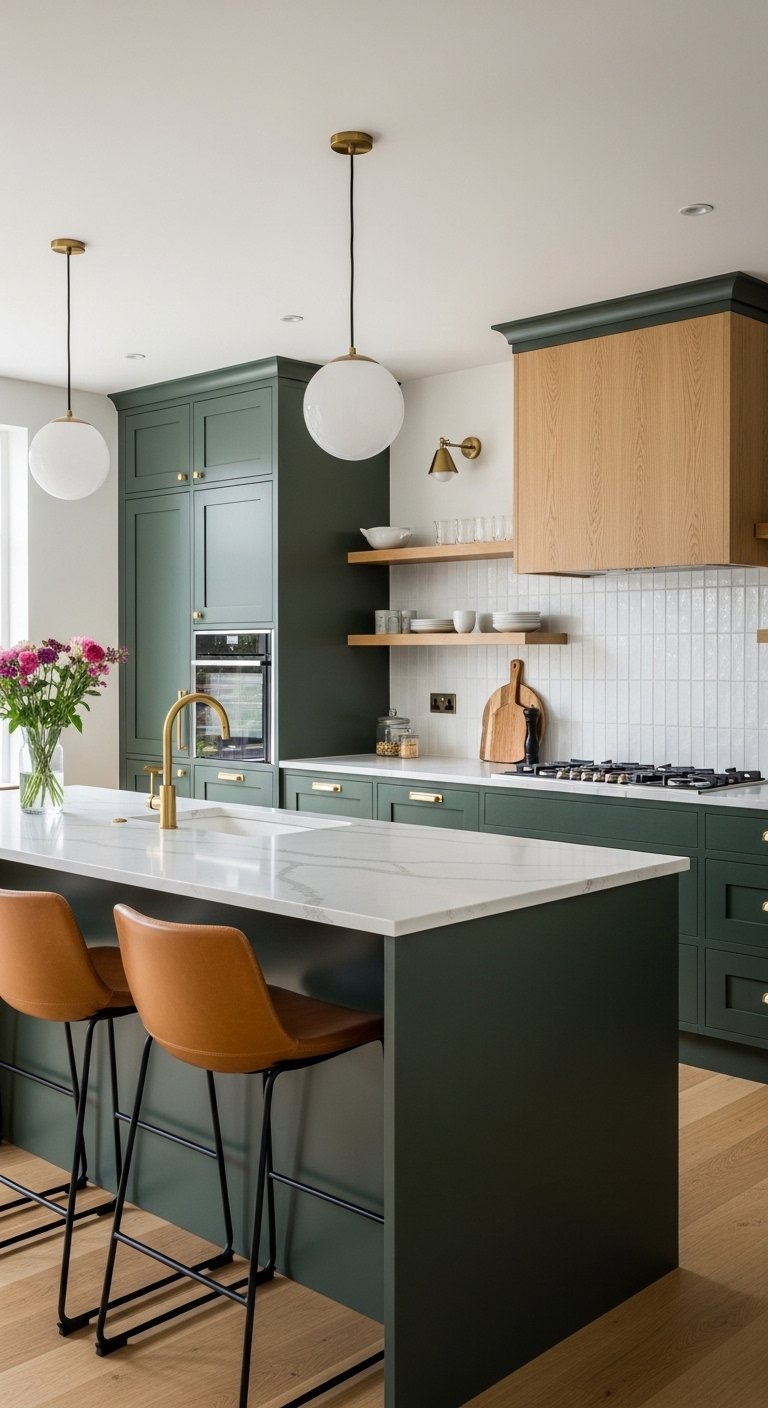
Efficiency dictates design in compact U-shaped kitchens. Manufacturers now offer apartment-sized appliances that perform perfectly without the bulk. A 24-inch refrigerator or an 18-inch dishwasher saves crucial inches of floor space. These savings allow for wider walkways or extra cabinetry.
Shallow pantry cabinets (12-15 inches deep) fit on walls where standard depth cabinets would block movement. They provide excellent storage for canned goods and jars without items getting lost in the back. Every inch saved on appliances translates to more room for you to move and cook comfortably.
Pro Tip
Look for “counter-depth” fridges that sit flush with your cabinets for a custom built-in look.
Display a striking chandelier
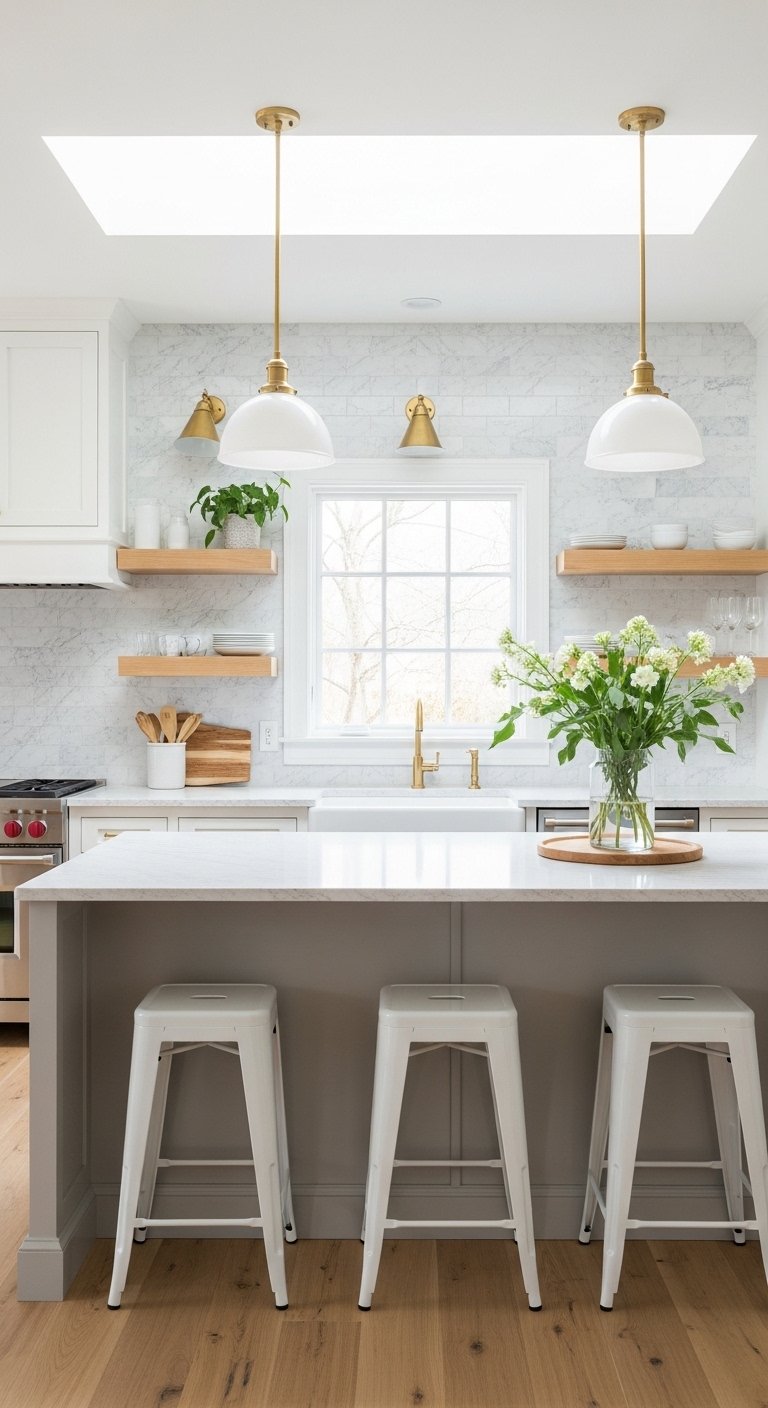
Task lighting matters, but ambient lighting sets the mood. A central chandelier adds grandeur and a focal point to the room. It draws the eye to the center of the U-shape and anchors the space. You can choose a fixture that contrasts with the style of the kitchen for an eclectic look.
A crystal chandelier brings glamour to a traditional kitchen, while a structural iron fixture suits a farmhouse aesthetic. The scale of the fixture should match the size of the room. It acts as the crowning jewel of the design. This unexpected element elevates the kitchen from a workspace to a design showcase.
Think onwards and upwards
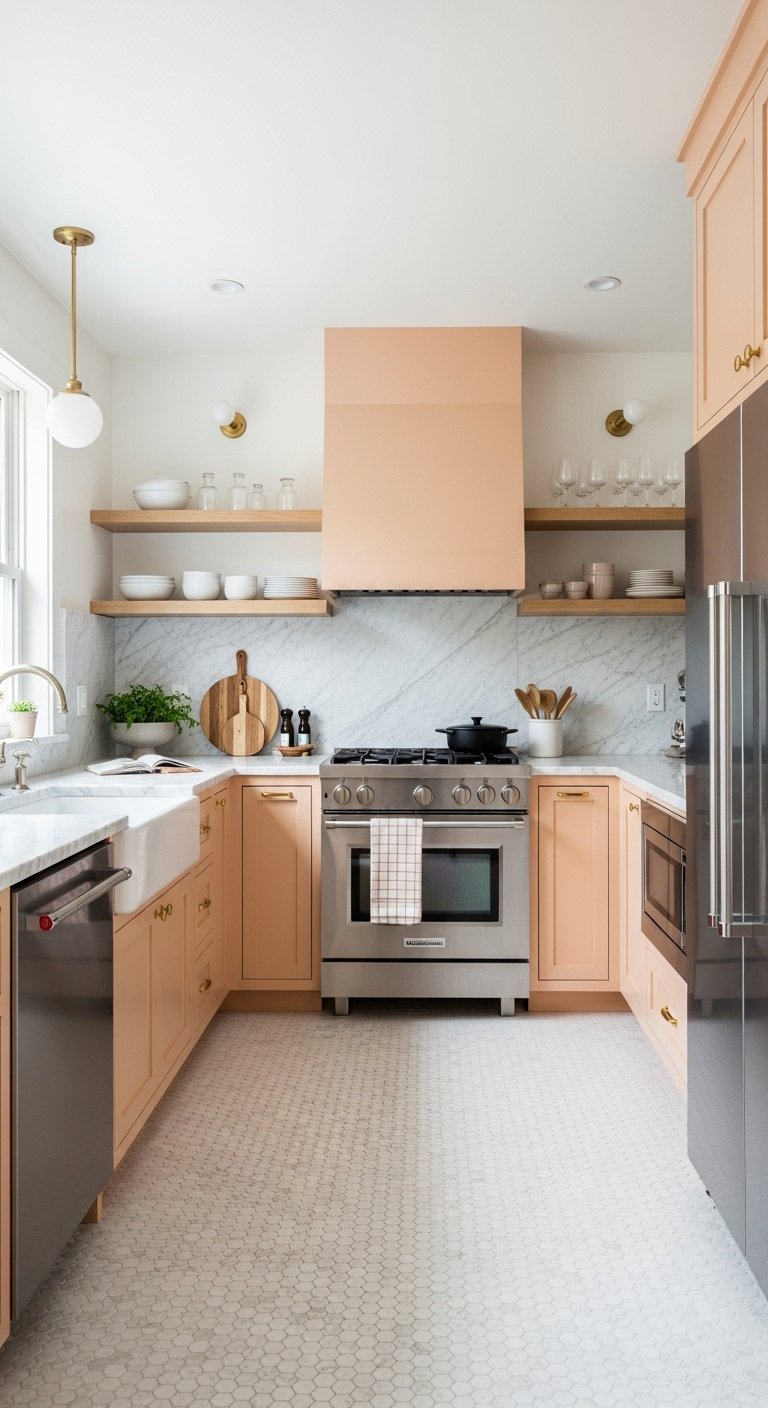
Floor space creates limits, but wall space offers possibilities. Taking cabinetry all the way to the ceiling maximizes storage potential. You can use the highest shelves for seasonal items or rarely used appliances. This strategy draws the eye upward and emphasizes the height of the room.
If full cabinets feel too heavy, use open shelving for the top section. A library ladder adds functionality and a unique design feature for high ceilings. Utilizing vertical space keeps the countertops clear of clutter. It turns the walls into a powerhouse of organization.
Pro Tip
Install glass fronts on the uppermost cabinets and light them from within for a display case effect.
Opt for classic white tile
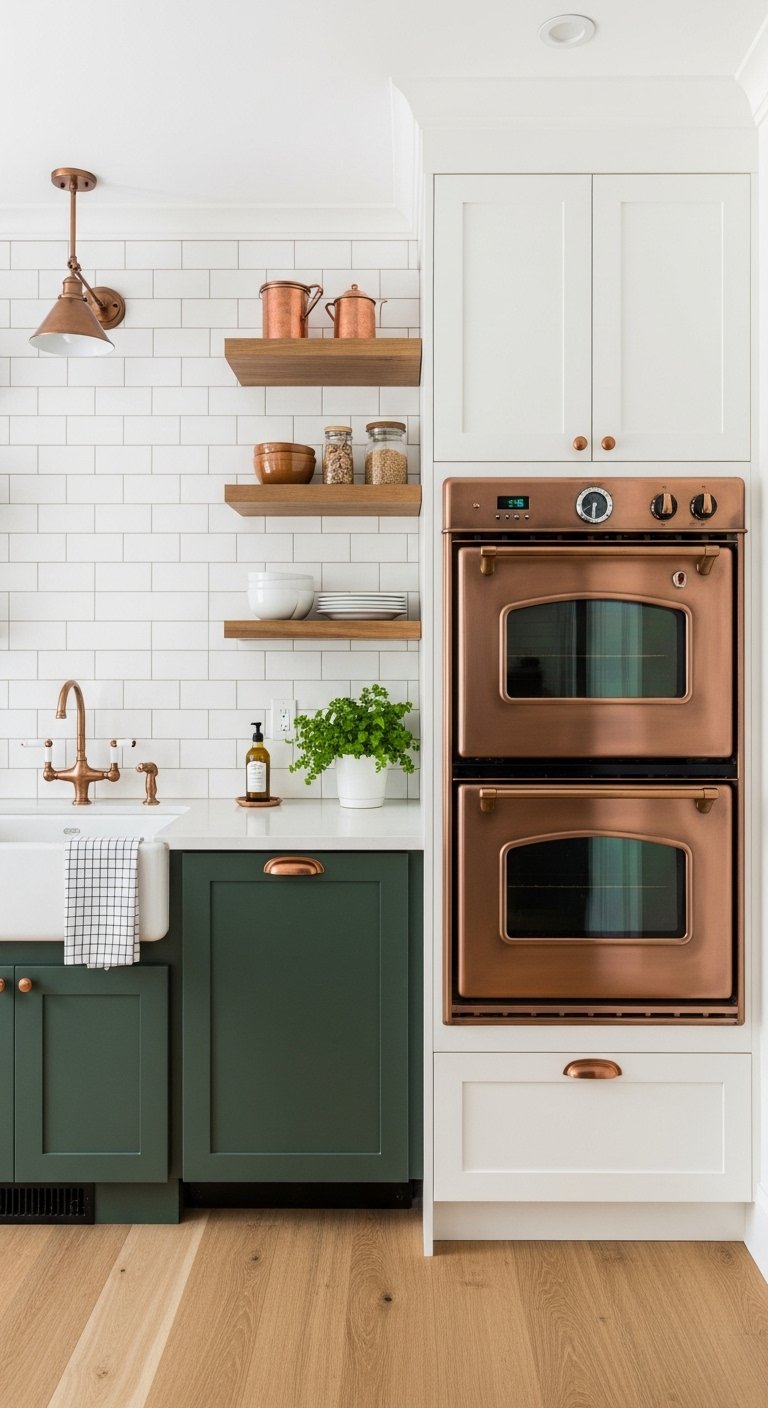
Trends come and go, but white tile remains eternal. Subway tile offers a clean, hygienic, and reflective surface that suits any style. You can modernize it by changing the layout to herringbone or vertical stack. It provides a neutral backdrop that allows you to change cabinet colors or decor later without clashing.
White tile brightens the shadow-prone corners of a U-shaped kitchen. It feels crisp and professional. The affordability of ceramic white tile makes it a budget-friendly choice that looks high-end. It provides texture without overwhelming the visual senses.
Comparison: Open Shelving vs. Upper Cabinets
| Feature | Open Shelving | Upper Cabinets |
|---|---|---|
| Aesthetics | Airy, decorative, modern. | Clean, uniform, traditional. |
| Storage | Less capacity, items collect dust. | Maximum capacity, hides clutter. |
| Cost | Generally lower material cost. | Higher cost for boxes and doors. |
| Best For | Displaying pretty dishware. | Hiding mismatched tupperware. |
Center the layout around a window
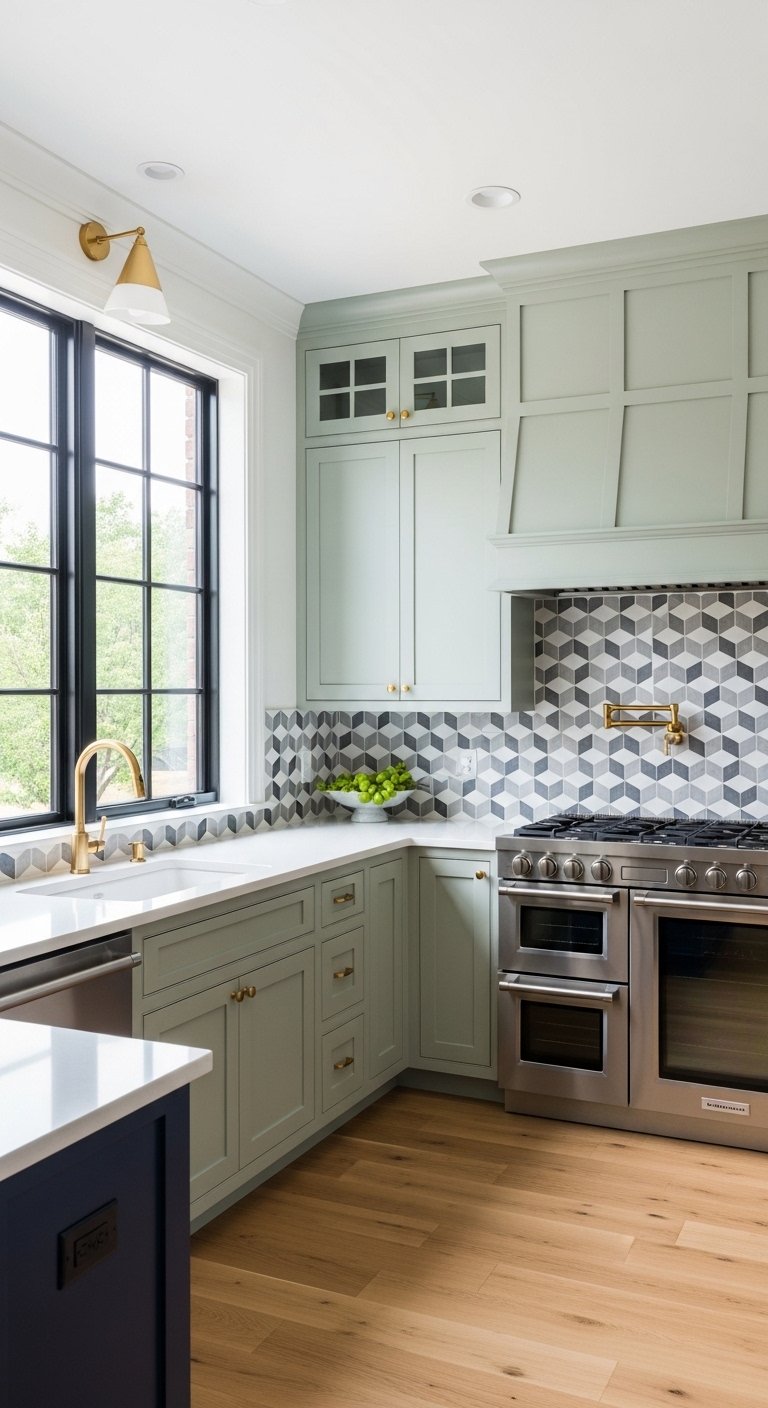
Placement of the sink under a window is a classic design move for a reason. It provides natural light for washing dishes and prepping food. It gives the cook a view of the outdoors, reducing the feeling of being stuck in a box. In a U-shaped layout, the window naturally becomes the central anchor point.
Symmetry often works best here, with identical cabinetry flanking the window. If the window is large, skip upper cabinets on that wall to let the light pour in. This connection to the outside world makes the kitchen feel larger and more breathable. Natural light is the best ingredient for a happy kitchen.
Liven up the flooring
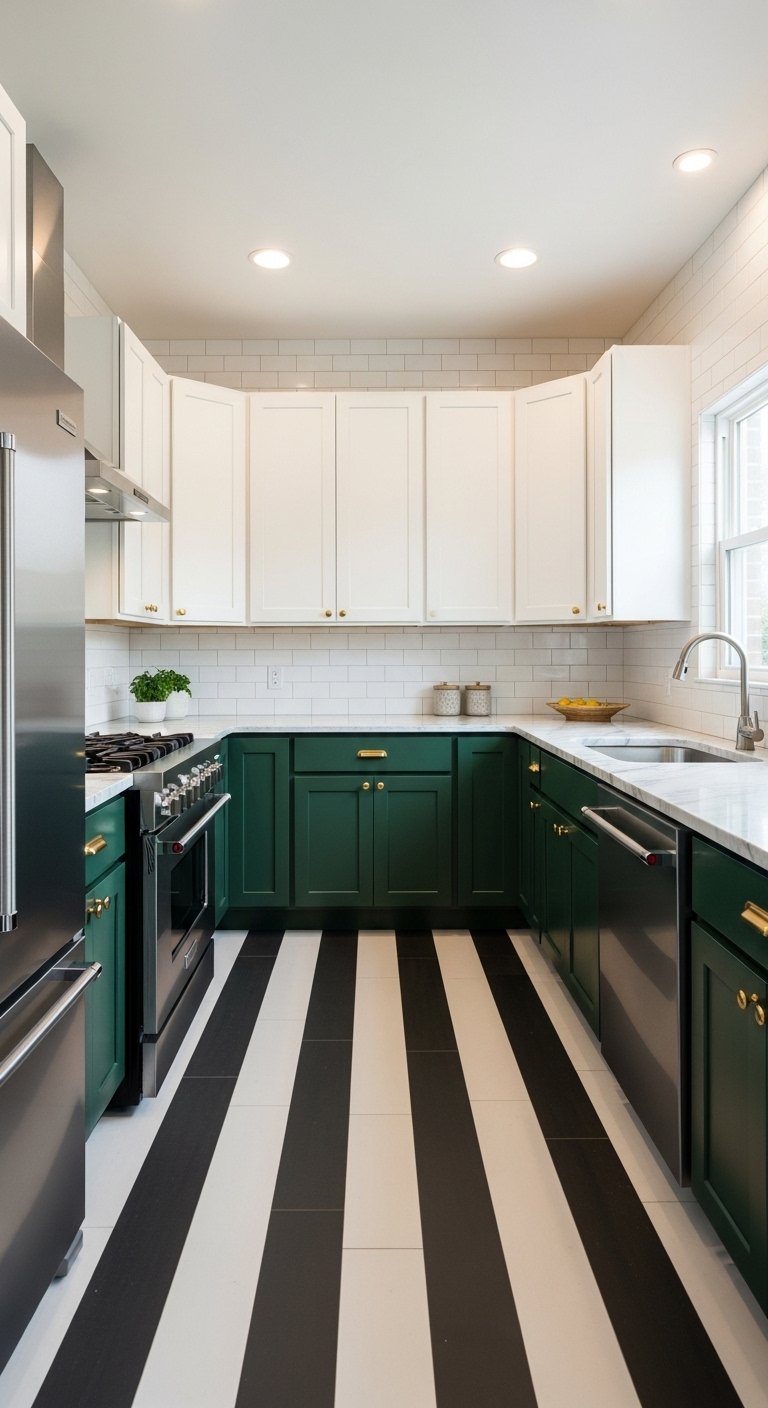
When walls are covered in cabinets, the floor becomes a major design surface. Patterned floor tiles inject energy and character into the space. Encaustic cement tiles or patterned ceramics hide crumbs and dirt better than solid colors. They ground the room and add a layer of artistry.
If you prefer wood, laying planks in a herringbone pattern adds sophistication and movement. The direction of the flooring can guide the eye into the kitchen. A bold floor allows you to keep cabinets and walls neutral. It creates a “wow” factor the moment you step into the U.
Pro Tip
Large format tiles mean fewer grout lines to scrub and a more expansive look for the floor.
Don’t be afraid of color
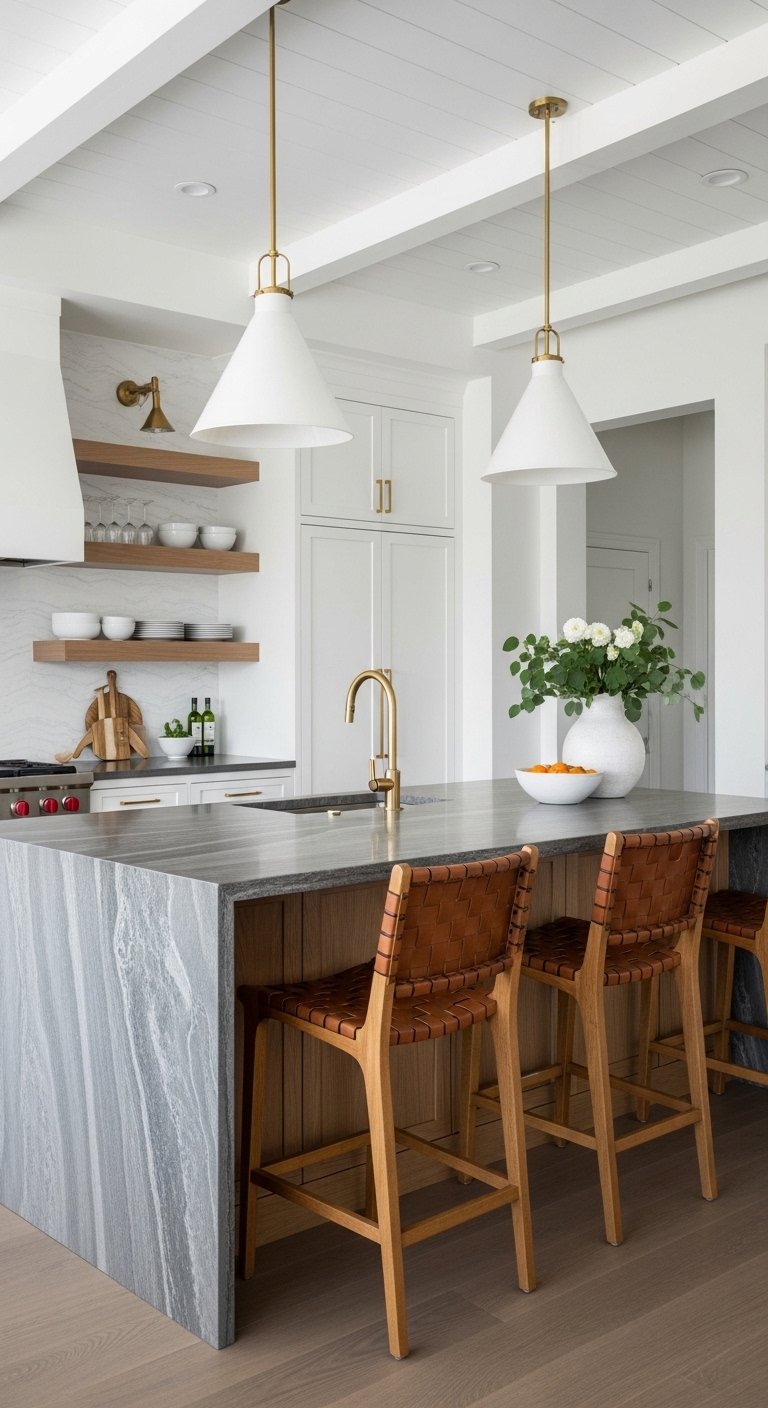
Neutral kitchens are safe, but colorful kitchens are memorable. Deep blues, sage greens, or even terracotta pinks bring life to a U-shaped kitchen. Painting the cabinetry a bold color transforms the room into a statement piece. You can balance bold cabinets with white walls and countertops.
If a full color drench feels too risky, try painting just the island or the lower cabinets. Color evokes emotion and sets the atmosphere. A sunny yellow creates a morning cheer, while a deep teal creates evening elegance. Paint is an affordable way to completely change the vibe of the room.
Place a dining space alongside the kitchen
The “eat-in” kitchen brings family life into the cooking zone. If space allows, placing a small dining table at the open end of the U encourages gathering. A round table works best to maintain flow and avoid sharp corners in high-traffic areas. This setup facilitates conversation between the cook and the diners.
Alternatively, a banquette built into the back of a peninsula cabinet saves space and adds cozy seating. This arrangement blurs the line between kitchen and dining room. It turns the kitchen into a multi-functional social hub. It utilizes the open floor space effectively.
Hang multiple pendant lights
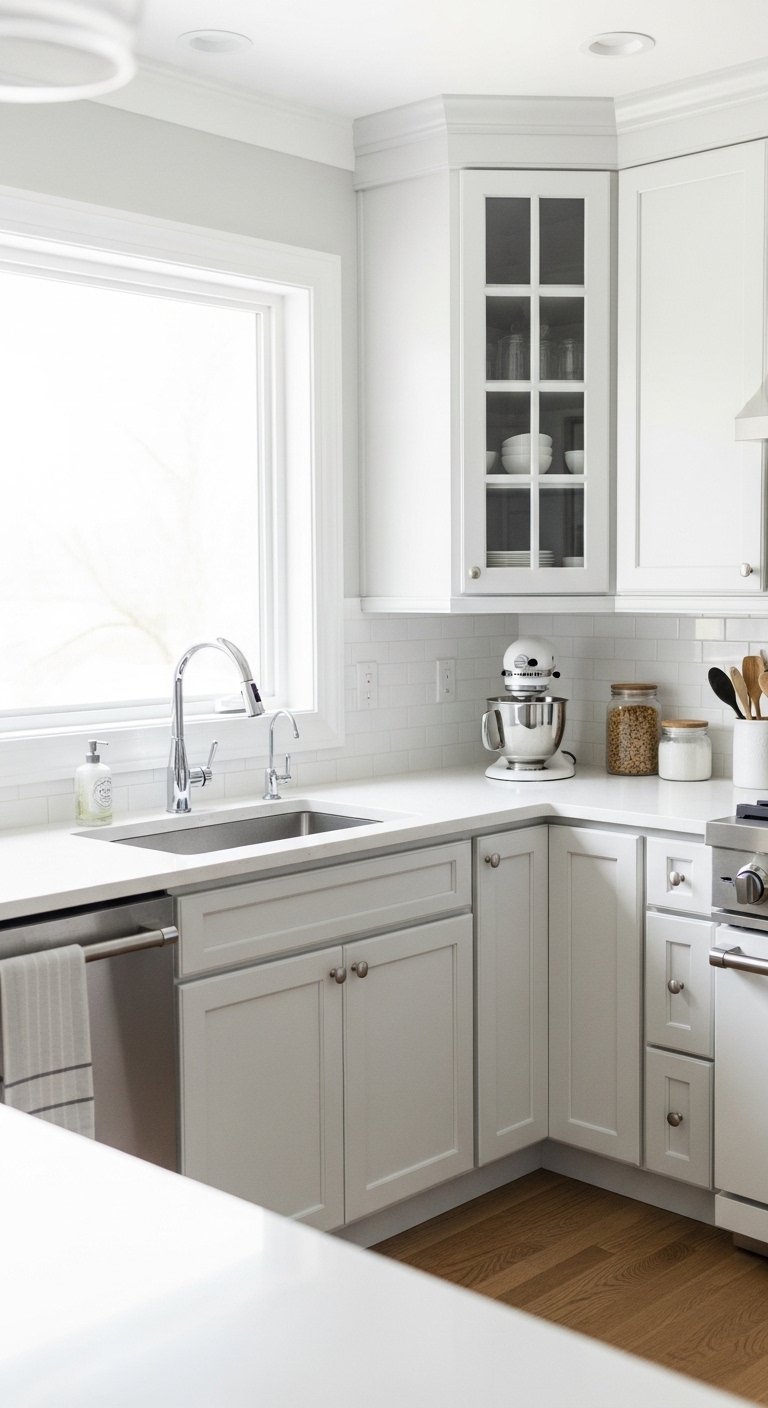
Lighting repetition creates rhythm and harmony. Hanging two or three pendant lights over a peninsula or sink area defines that specific zone. They provide focused task lighting for prep work and eating. The style of the pendant contributes significantly to the overall design theme.
Glass shades keep the view open, while metal shades direct light downward for drama. The spacing of the lights should be even to create visual balance. Dimmer switches allow you to transition from bright work lighting to soft mood lighting. Pendants act as the finishing touch that pulls the room together.
Get The Look: Lighting Layers
- Task: Under-cabinet LED strips (3000K Warm White).
- Ambient: Recessed can lights on a grid.
- Accent: Statement pendants over the peninsula or sink.
- Decorative: Picture light over open shelving or art.
Popular Asked Questions
What is the minimum width for a U-shaped kitchen?
You need at least 10 feet of width for a comfortable U-shaped kitchen. The walkways should be at least 36 inches wide to allow doors and drawers to open, though 42 to 48 inches is better if two people cook together often.
How do I handle the corner cabinets?
Corner cabinets are often called “blind corners.” The best solution is installing a Lazy Susan, a swing-out shelf (like a Magic Corner), or specialized pull-out drawers. These mechanisms bring items from the back to the front so nothing gets lost.
Can I put an island in a U-shaped kitchen?
Yes, but you need enough space. You generally need at least 13 to 14 feet of width to fit an island in the middle. You must maintain 36 to 48 inches of walkway on all sides of the island for traffic flow.
Is a U-shaped kitchen good for open concept homes?
Yes, specifically if one “leg” of the U is a peninsula rather than a full wall. This peninsula acts as a divider between the kitchen and living room while keeping the cook connected to the party.
Where should the refrigerator go?
To maintain a good workflow, place the fridge at one of the tips of the “U”. This keeps family members who just want a drink or snack out of the main cooking zone where the stove and sink are located.
Conclusion
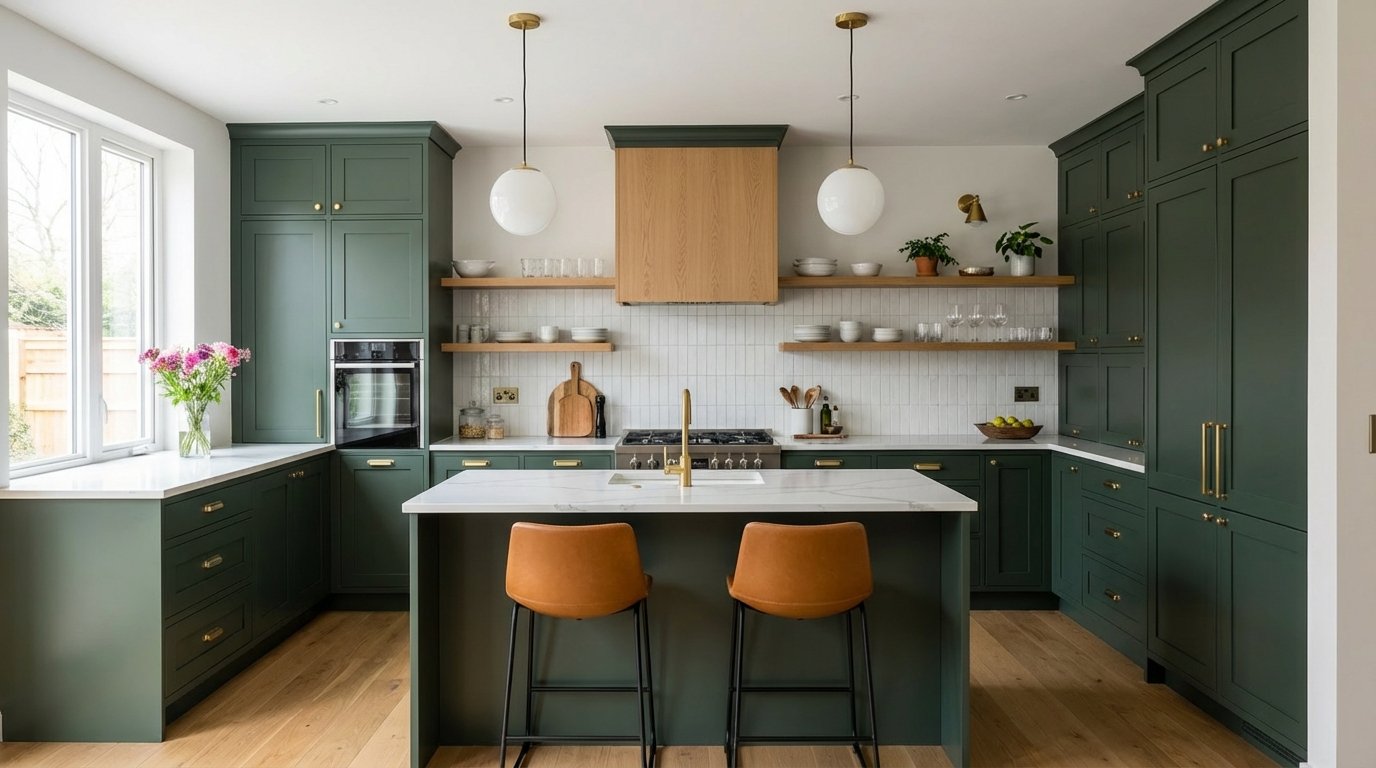
The U-shaped kitchen remains a favorite for a reason. It offers unmatched efficiency, ample storage, and a cozy cooking environment. Whether you choose to knock down a wall for a peninsula or embrace the drama of a closed layout with dark cabinets, the options are endless. By focusing on lighting, clever corner storage, and personal decor touches, you can create a space that works as hard as you do.
Which of these layout ideas would solve your biggest kitchen headache? Let us know in the comments below.
Follow us on Pinterest for more Kitchen Design inspiration.

Leave a Comment