
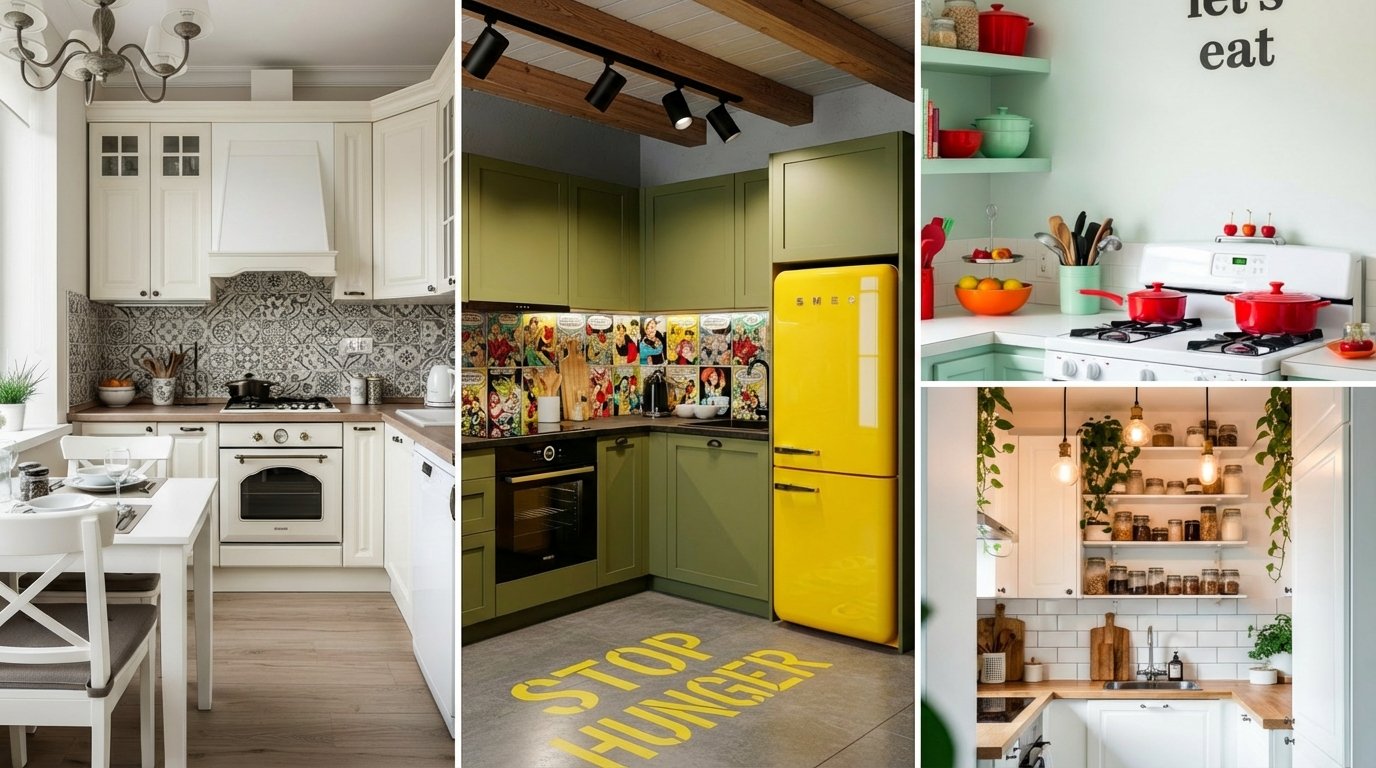
you might think a small footprint limits your design choices. It actually does the opposite. Tight spaces force you to prioritize essentials and get creative with every square inch. A modern small kitchen remodel isn’t about shrinking a large design. It is about smart layouts, efficient storage, and high-impact aesthetics.
You need solutions that clear clutter and visual noise. This guide provides actionable ideas to transform your cramped cooking area into a functional, stylish hub. We skip the generic advice and focus on specific design moves that trick the eye and maximize utility.
Check out our related guide on Living Room Color Trends.
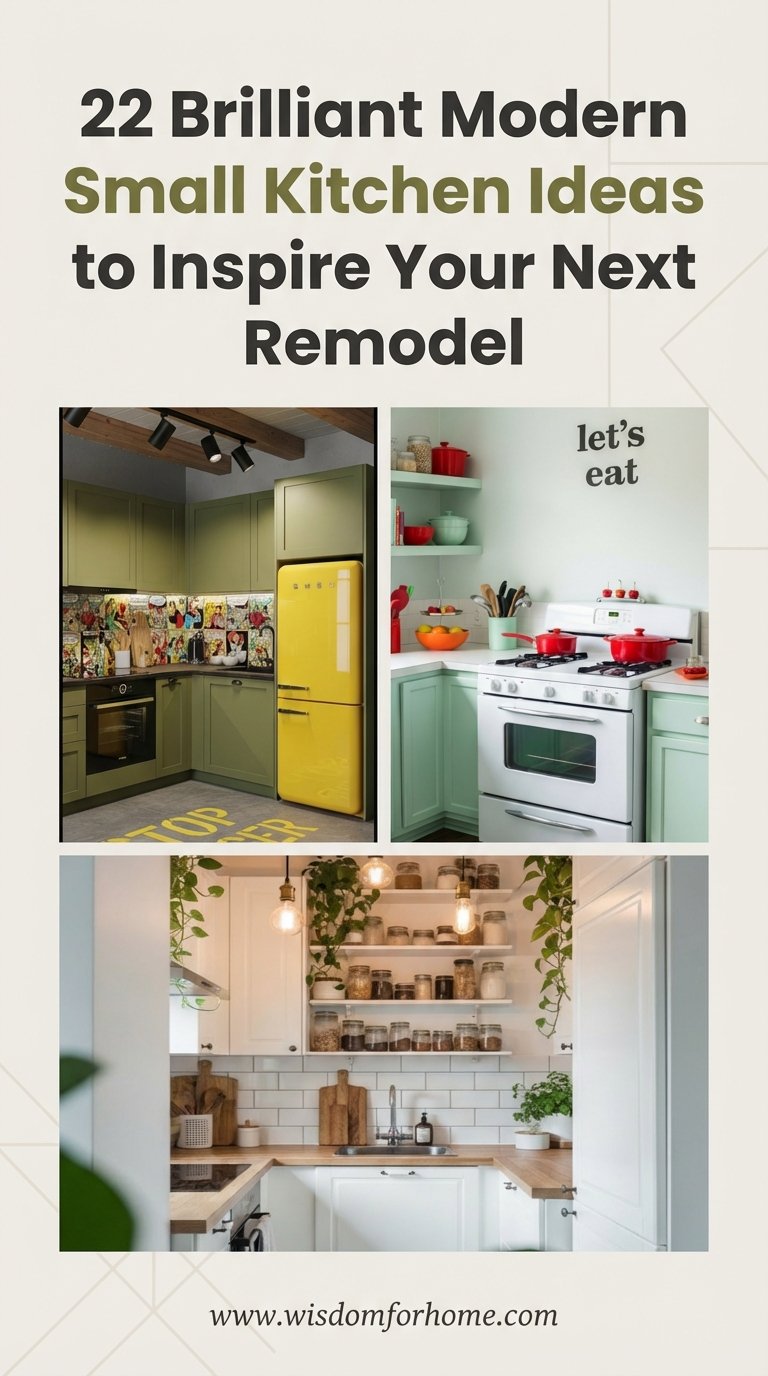
Key Takeaways
- Color changes perception: Dark tones add depth while light hues expand space.
- Verticality is key: Use walls for storage up to the ceiling to free up floor space.
- Light matters: Layered lighting makes small rooms feel open and airy.
- Texture over clutter: Use materials like wood or marble to add interest without physical items.
Contents
- Play With Colors
- Outline It With Paint
- Add Extra Chairs
- Use Contrasts
- Choose Unexpected Patterns
- Double Down On Colors
- Bright Small Kitchen
- Install Pendant Lights
- Minimalist And Modern Small Kitchen
- Modern Small Kitchen
- Add Green Plants
- Multi-Functional Peninsula
- Rustic Touch
- Two-Toned Walls
- Farmhouse Inspired
- Statement Backsplash
- Compact Small Kitchen Design
- Think Industrial
- Black And White Tiles
- Get An Accent With Colored Wall
- Maximize Floor Space
- Make The Most Of Marble
- Popular Asked Questions
- Conclusion
Play With Colors
Most people default to white for small spaces. You can break this rule. Using bold colors like navy, forest green, or terracotta infuses personality into a tiny kitchen. The trick lies in saturation. A deeply saturated cabinet color grounds the room. It draws the eye down and makes the ceilings feel higher by comparison. Keep your upper cabinets or shelving neutral to maintain balance.
Matte finishes work best here. They absorb light rather than reflecting it. This softens the visual impact of bold hues. Pair these strong colors with warm wood tones to keep the space inviting. You do not want a clinical feel. Hardware in brass or matte black adds the final polish. This approach proves that limited square footage does not mean limited style.
Pro Tip: Use a satin finish paint for cabinets to resist grease and fingerprints better than flat paint.
Outline It With Paint
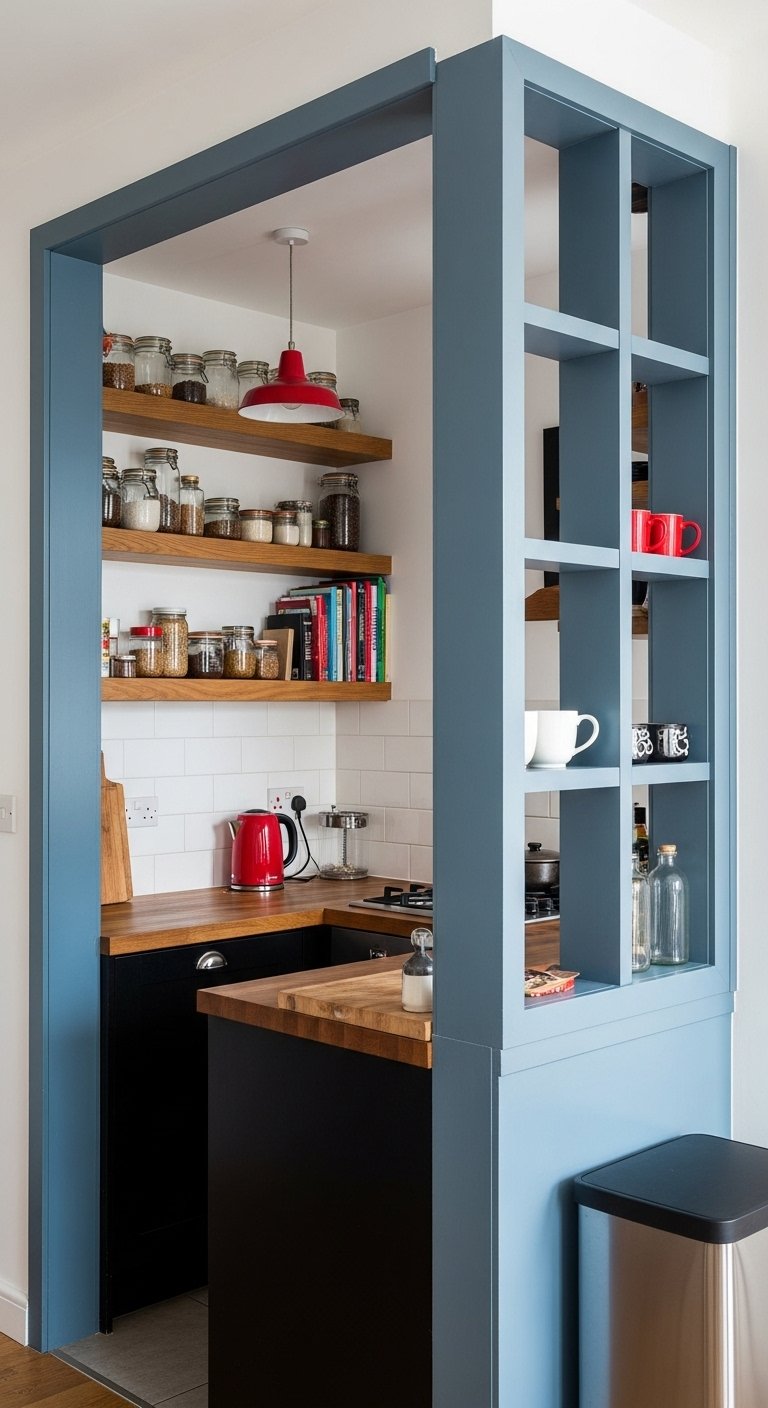
Paint does more than fill a wall. You can use it to create architectural interest where none exists. Painting the trim, door frames, or even a specific zone of cabinetry in a contrasting color defines the space. This technique acts like a frame. It tells the eye where to look. In a modern small kitchen, this prevents the design from looking flat or washed out.
Try painting the window frame a dark charcoal against white walls. This draws the eye outside and creates an illusion of depth. You can also paint a faux backsplash arch behind open shelving. This adds a focal point without the cost of tile. It is a low-risk design move. If you dislike the result, you can simply paint over it. The cost is low, but the visual payoff is high.
Save this idea to your Pinterest.
Add Extra Chairs
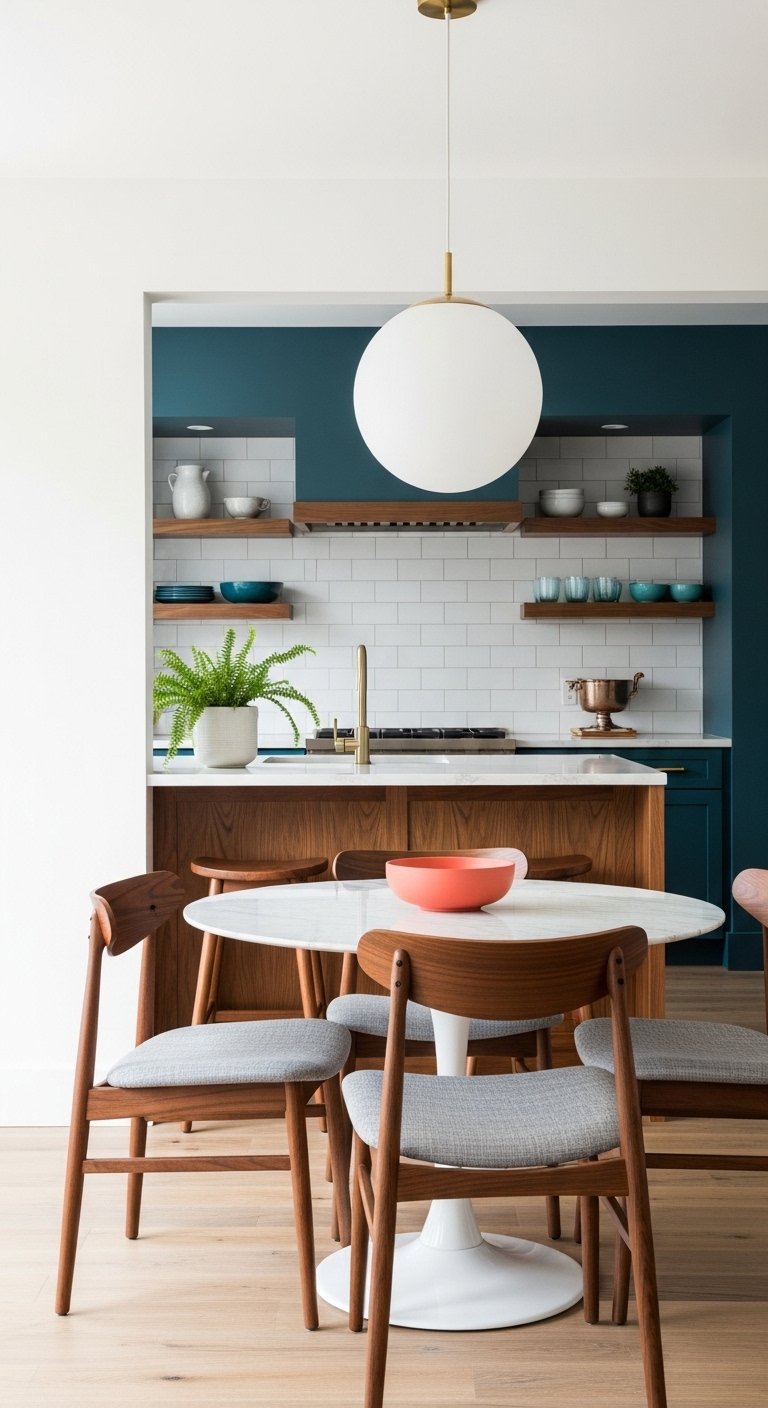
Seating is often the first casualty in a small kitchen remodel. You can reclaim it with smart choices. Look for slim, backless stools that tuck completely under an island or peninsula. This keeps walkways clear when no one is eating. Visual clutter disappears. Another option is a folding bistro set. You can hang the chairs on wall hooks when they are not in use.
Focus on the material of the chairs. Acrylic or “ghost” chairs are excellent for tight spaces. They provide functionality without blocking sightlines. The eye travels right through them. This makes the room feel larger. Metal wire chairs offer a similar effect. They add an industrial edge without the visual weight of solid wood. Comfort does not have to vanish just because space is tight.
Use Contrasts
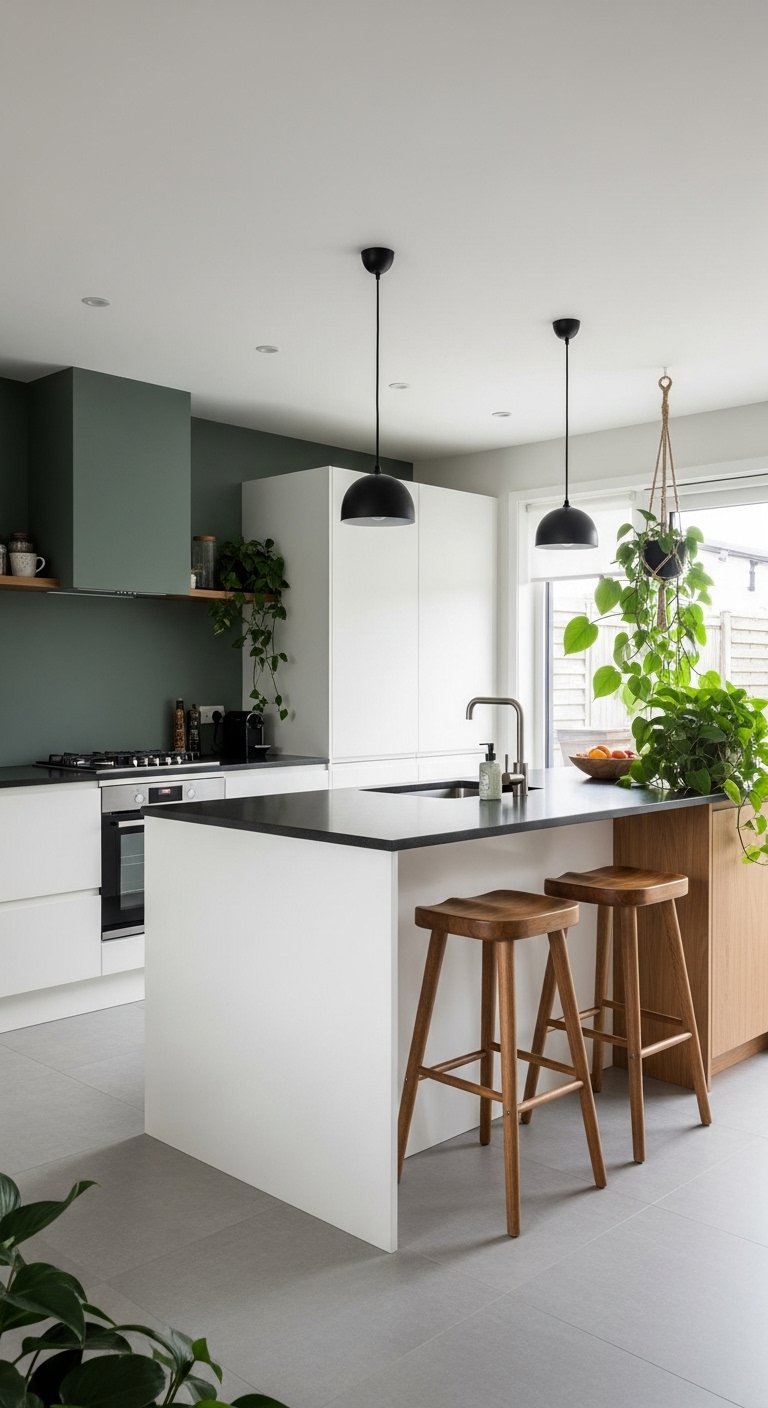
Contrast creates distraction. A high-contrast color palette tricks the brain into seeing a dynamic space rather than a small one. Pair bright white countertops with jet-black cabinets. Or mix a dark navy island with crisp white walls. This push and pull creates distinct zones. Zoning helps a small layout feel organized rather than chaotic.
Texture creates contrast too. Smooth quartz counters look stunning against a rough brick wall or a textured subway tile. The difference in surfaces engages the senses. It stops the room from feeling like a sterile box. Keep the floors simple if you go heavy on contrast elsewhere. Let the cabinets and walls do the talking. This balance ensures the design remains modern and sharp.
Choose Unexpected Patterns
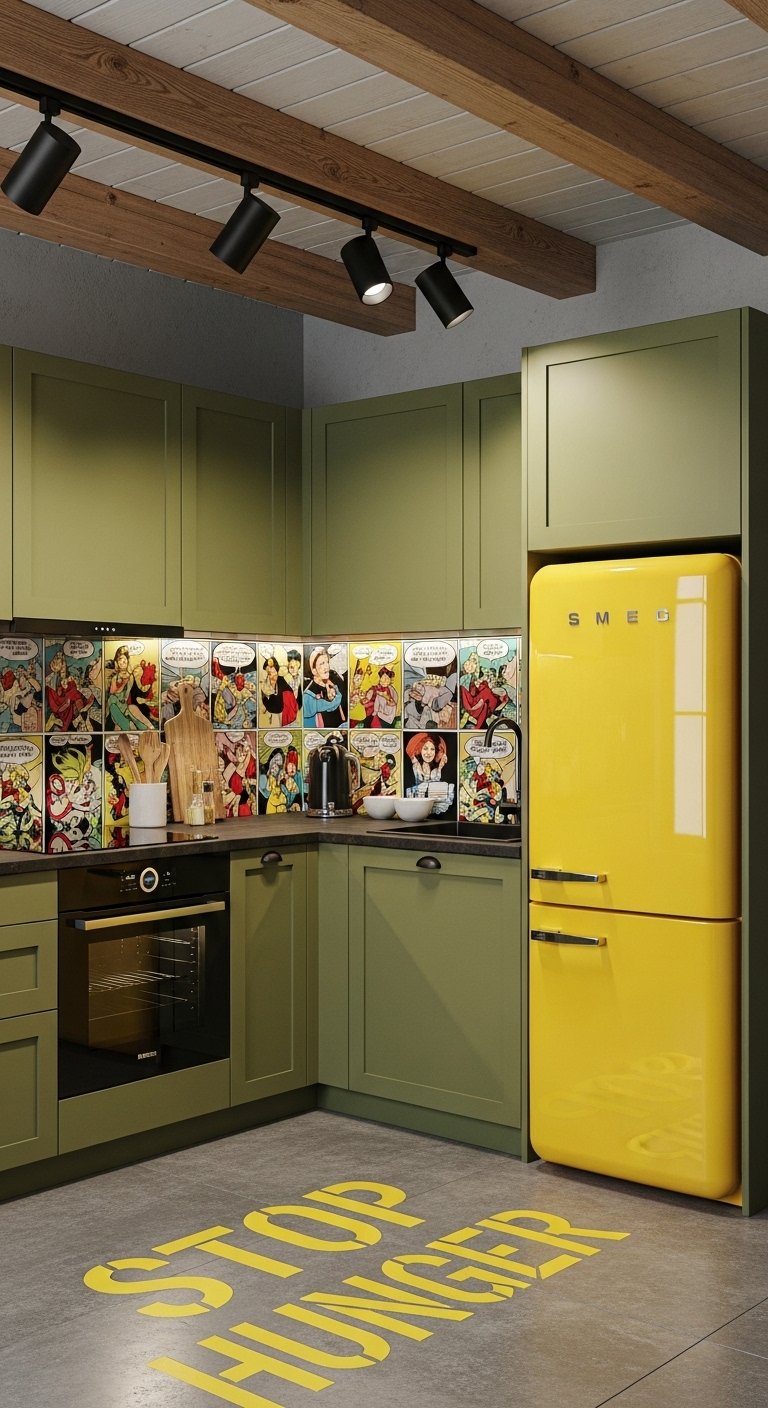
Small kitchens are perfect places for bold patterns. A busy pattern might overwhelm a large room. In a small space, it acts like a jewel box. Consider a geometric floor tile. It anchors the room and adds energy. Patterned floor tiles also hide crumbs and dust better than solid colors. This is a practical bonus for high-traffic zones.
You can also apply pattern to the backsplash. Vertical stacked tiles or a herringbone layout draw the eye upward. This emphasizes height. Wallpaper is another option. Use a peel-and-stick wallpaper with a botanical or abstract print on a feature wall. It adds depth and character instantly. Keep the rest of the elements solid to let the pattern shine.
Comparison: Paint vs. Wallpaper in Small Kitchens
| Feature | Paint | Wallpaper |
|---|---|---|
| Cost | Low | Moderate to High |
| Durability | High (scrubbable) | Variable (needs vinyl for kitchens) |
| Visual Impact | Subtle to Bold | High/Complex |
| Application | DIY Friendly | Requires Precision |
| Best For | Cabinets, Trim | Feature Walls, Backsplashes |
Double Down On Colors
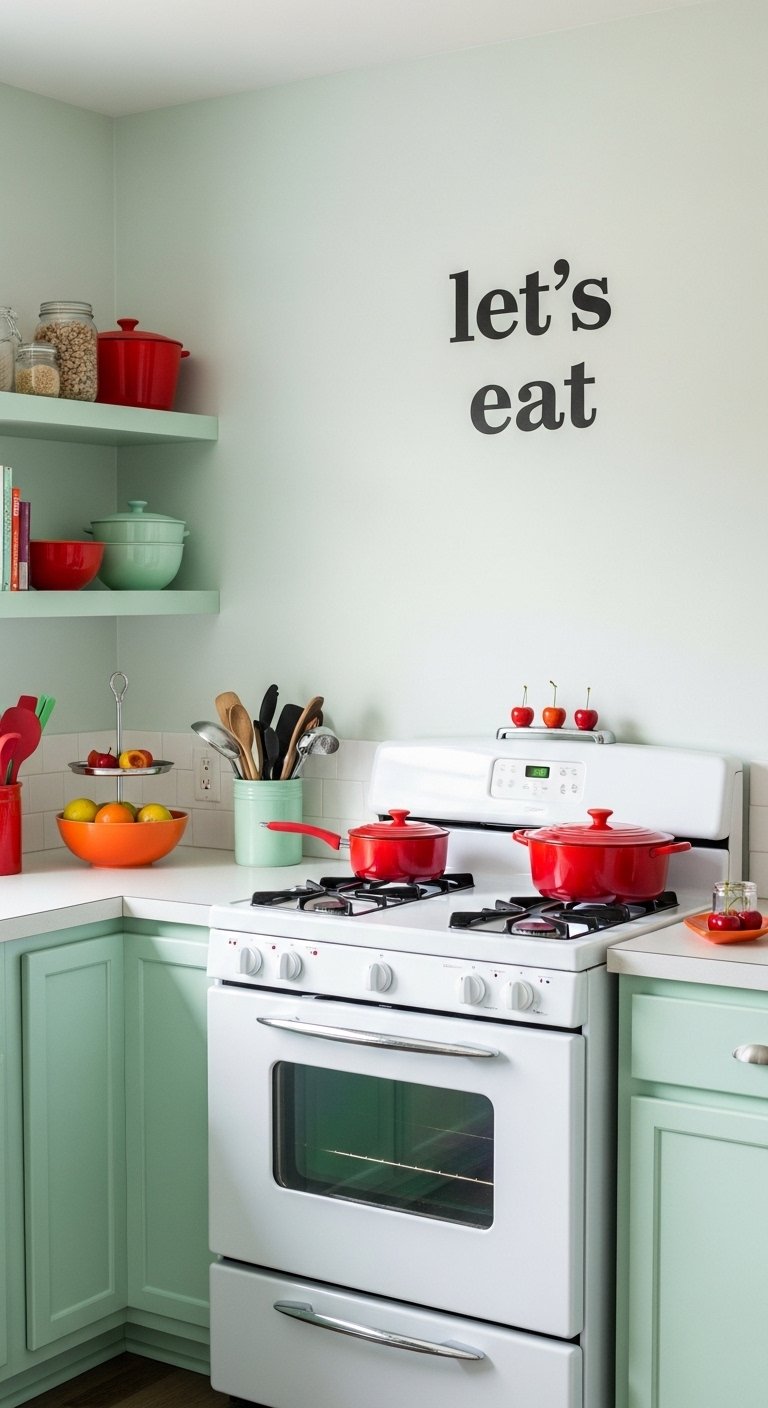
Color drenching is a viral trend for a reason. This technique involves painting the walls, trim, and ceiling the same color. It blurs the boundaries of the room. Corners disappear. The eye cannot tell where the wall ends and the ceiling begins. This makes a small kitchen feel infinite and cozy at the same time.
Start with a mid-tone shade like sage green or dusty blue. These colors are calming but interesting. Avoid extremely dark colors for the ceiling unless you have excellent lighting. Use different sheens to add dimension. Use eggshell on walls and semi-gloss on trim. The slight difference in light reflection adds texture without breaking the color block. This is a sophisticated way to handle a compact footprint.
Bright Small Kitchen
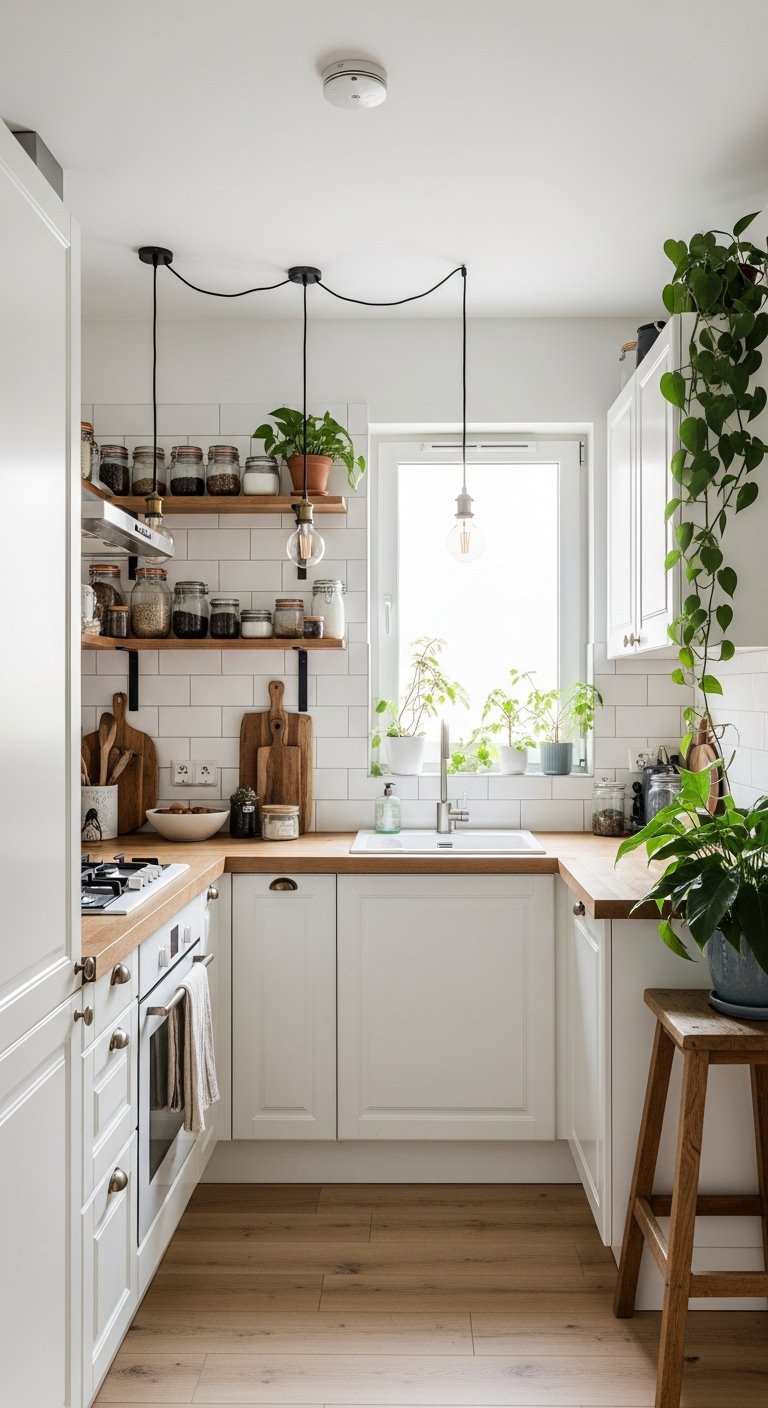
Natural light is the best tool for expanding space. Keep window treatments minimal. Skip heavy drapes. Use roller shades or leave windows bare if privacy allows. Sunlight bouncing off surfaces makes the room feel airy. If natural light is scarce, fake it. Use high-kelvin LED bulbs that mimic daylight.
Reflective surfaces amplify this effect. Glossy tiles, stainless steel appliances, and mirrored backsplashes bounce light around the room. A glass-front cabinet door prevents the boxy feel of solid wood. It adds depth by letting you see inside the cabinet. Keep the color palette pale. Whites, creams, and light grays maximize the brightness. A bright kitchen feels clean and open regardless of its actual size.
Install Pendant Lights
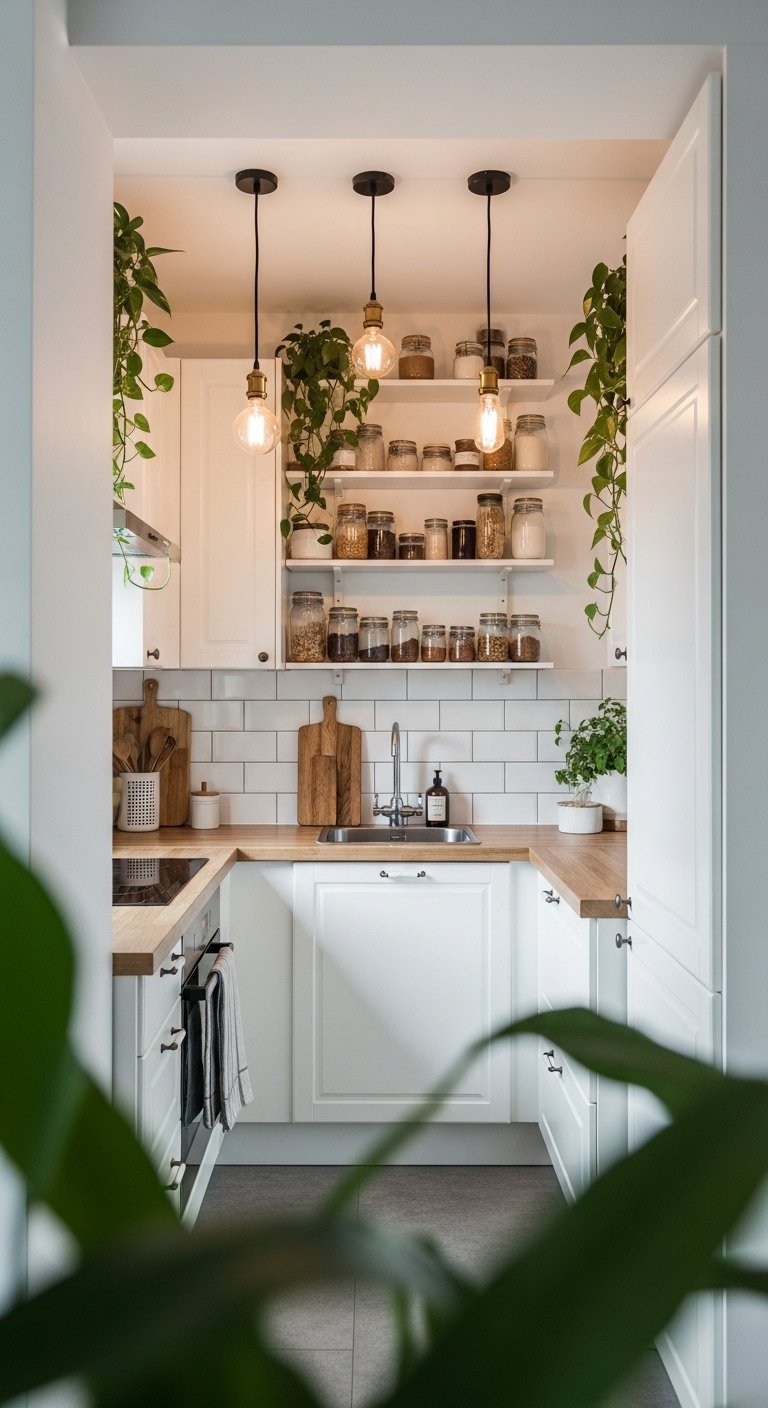
Lighting fixtures are the jewelry of the kitchen. In a small space, oversized pendants make a massive statement. They draw the eye up and create a focal point. You might think large fixtures clutter a small room. The opposite is true. One or two large lights look cleaner than many small recessed lights.
Hang them over the sink or a small dining nook. Choose materials that complement your hardware. Glass shades keep things light. Metal shades add drama and direct light downward for tasks. Ensure the scale is right. The fixture should not block your view or head space. Adjustable cords allow you to get the height perfect. Good lighting transforms the mood instantly.
Minimalist And Modern Small Kitchen
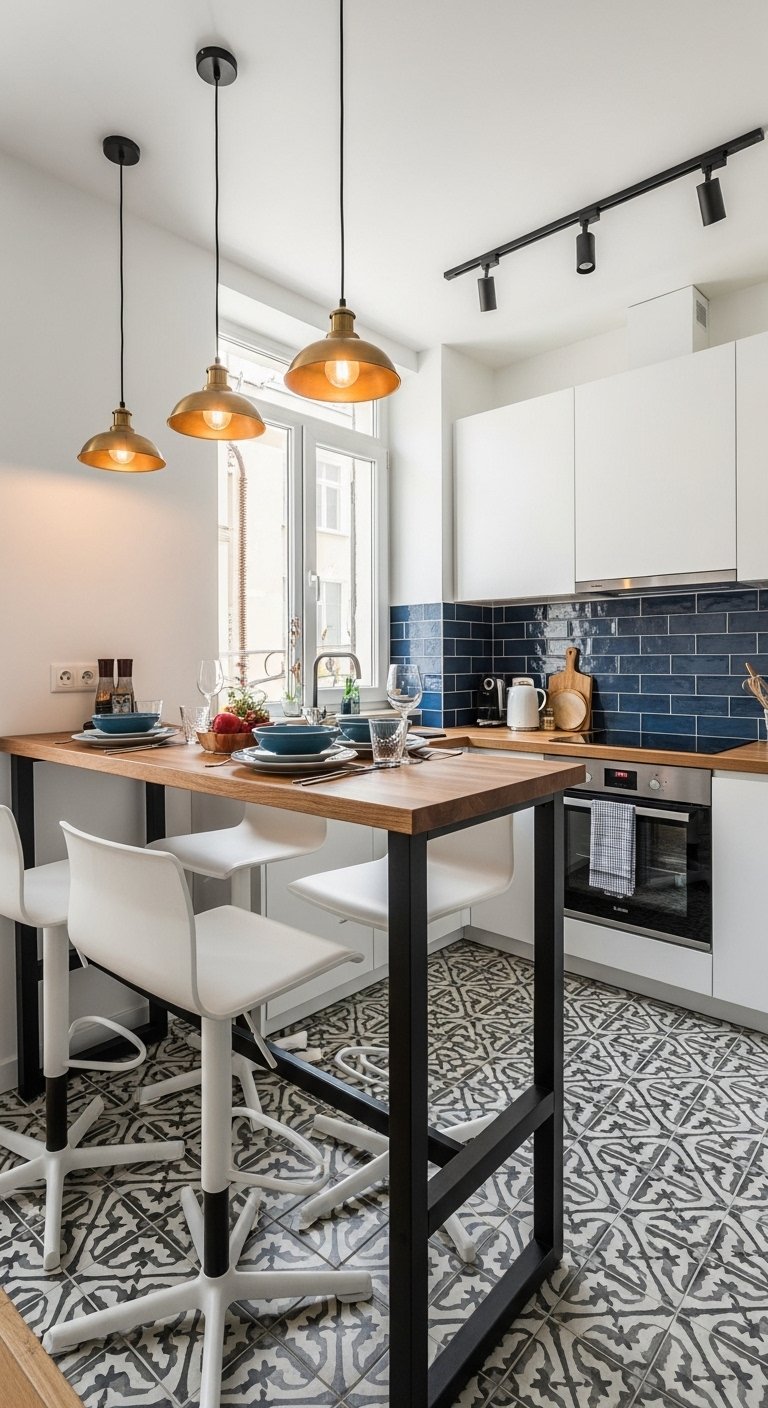
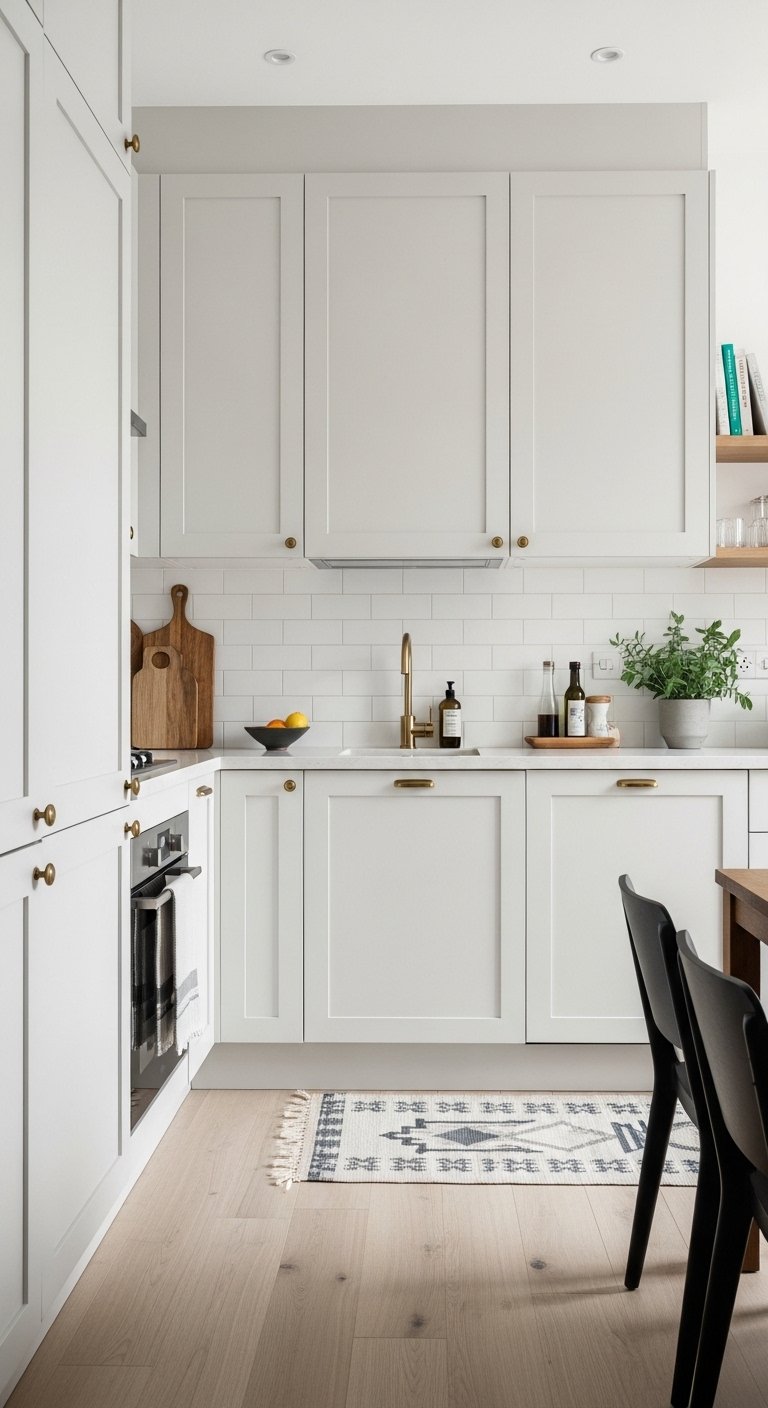
Minimalism solves the clutter problem. This style focuses on clean lines and hidden storage. Handleless cabinets create a sleek, uninterrupted flow. This reduces visual noise. Every item needs a home. Countertops must remain clear. Appliances like toasters and blenders go into appliance garages or deep drawers.
Stick to a monochromatic palette. Variations of white, gray, or beige work well. Use texture to prevent boredom. A concrete countertop or a limestone backsplash adds tactile interest. The goal is a serene environment. When a small space is visually quiet, it feels physically larger. This design discipline requires purging unused items. Keep only what you use daily.
Pro Tip: Install a magnetic knife strip to clear bulky blocks off the counter.
Modern Small Kitchen
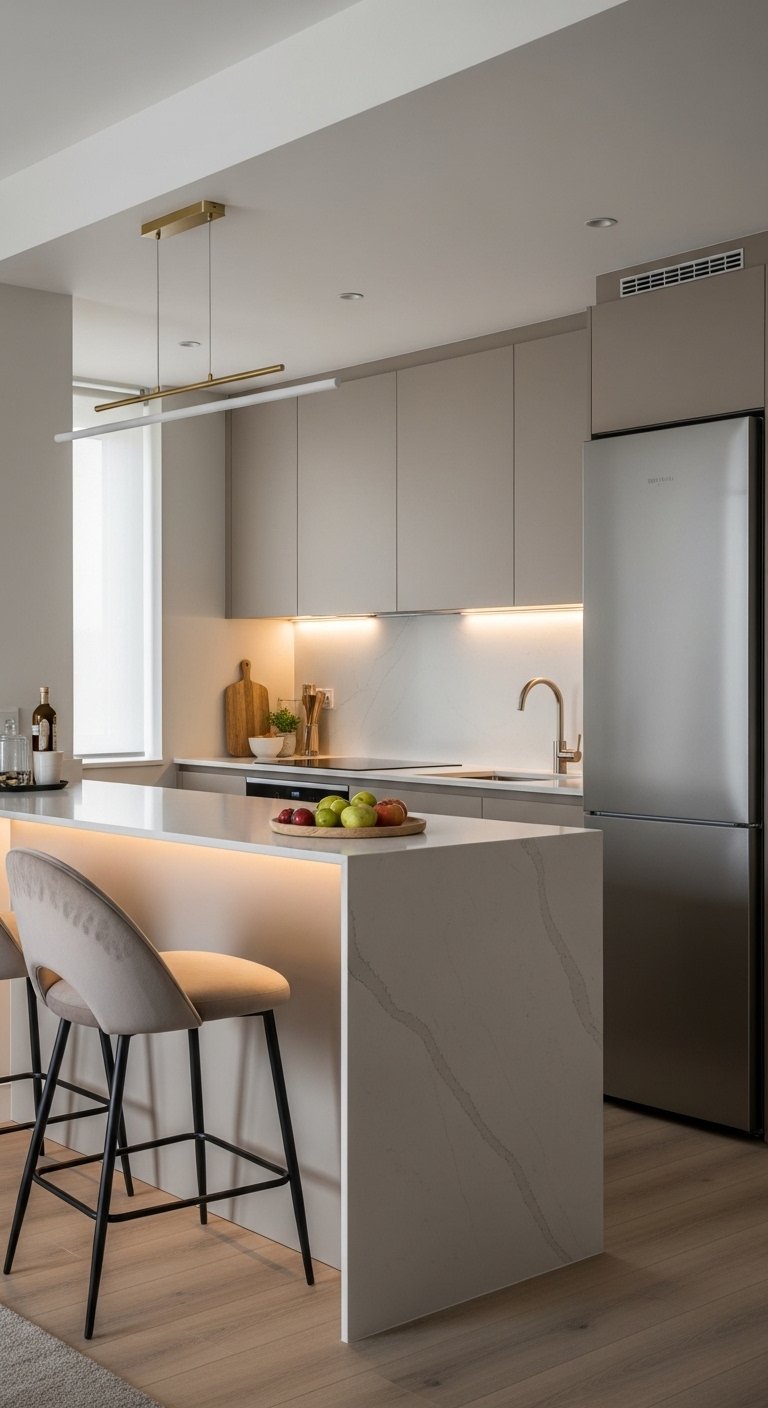
Modern design embraces technology and efficiency. Look for smart appliances scaled for small spaces. Slim refrigerators and 18-inch dishwashers save precious inches without sacrificing performance. Induction cooktops are sleek and can double as counter space when not in use.
Cabinet interiors matter here. Pull-out pantry shelves and corner lazy Susans maximize storage efficiency. You stop digging into dark cupboards. Use under-cabinet lighting strips. They provide focused task lighting and a modern glow. The aesthetic is sharp and functional. Everything serves a purpose. There is no room for decorative fluff that gathers dust.
Get The Look: Modern Essentials
- Lighting: Matte Black Dome Pendants or LED Strip Under-Cabinet lights.
- Hardware: T-Bar handles in Brushed Nickel or Brass.
- Faucet: High-arc pull-down faucet with a single handle.
- Storage: Clear acrylic organizers for drawers and pantry.
Add Green Plants
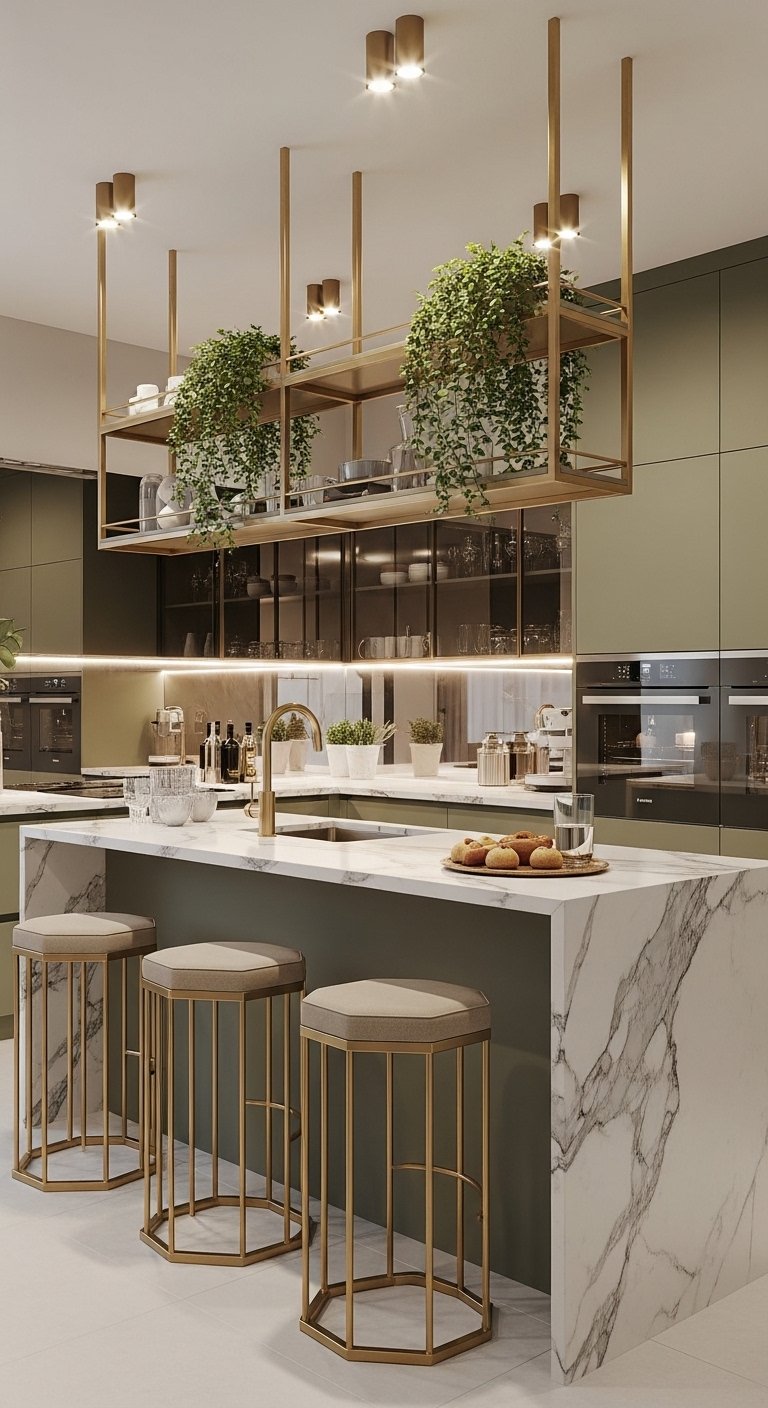
Plants breathe life into a functional space. They soften the hard lines of cabinets and appliances. A small kitchen benefits from vertical gardening. Install a rail system in a window for herbs. You get fresh ingredients and a privacy screen in one.
Place a pothos or ivy on top of the fridge or upper cabinets. The trailing vines draw the eye upward. This emphasizes ceiling height. Use hanging planters to keep counter space free. Terracotta or ceramic pots add texture. Greenery connects the indoors with the outdoors. It makes a tight kitchen feel fresher and more vibrant. Just ensure they get enough light to thrive.
Save this idea to your Pinterest.
Multi-Functional Peninsula
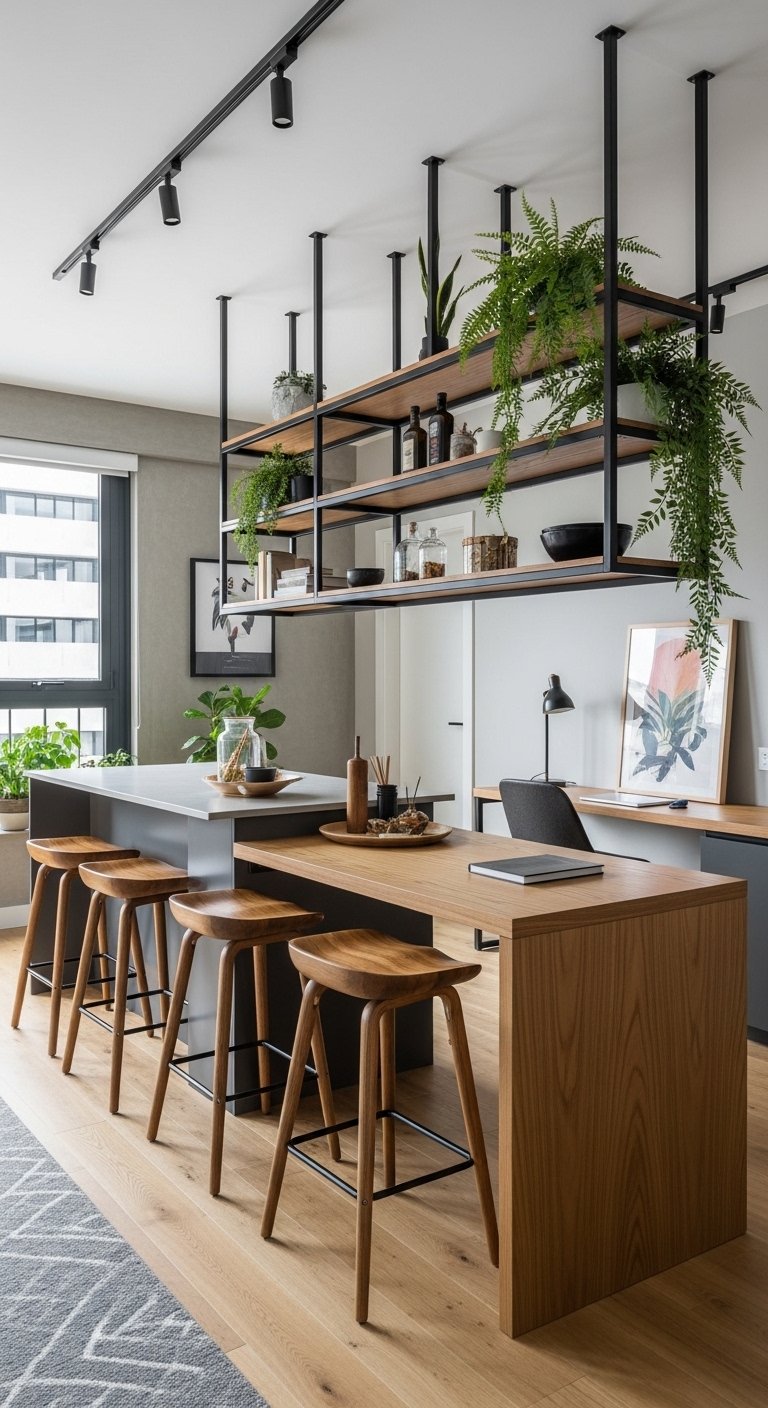
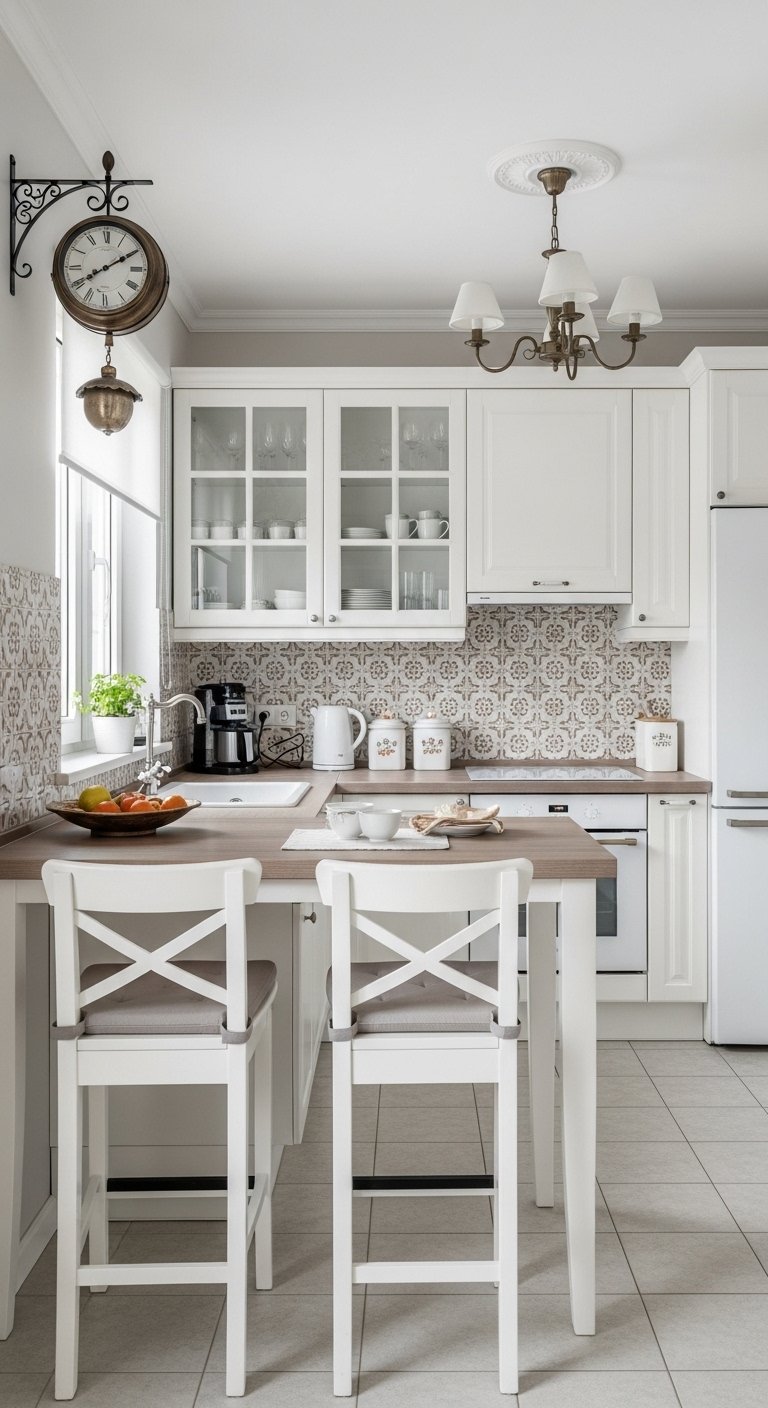
Islands often do not fit in small kitchens. A peninsula is the smarter sibling. It attaches to a wall or cabinet run. This uses less floor space but offers the same benefits. It creates a natural divider between the kitchen and living area in open-concept homes.
Use the peninsula for multiple tasks. It is a prep zone, a dining table, and a work-from-home desk. Extend the countertop overhang to allow for seating. Add storage cabinets underneath the peninsula on the kitchen side. On the living room side, use shallow shelves for books or decor. This integration makes the kitchen feel like a piece of furniture. It blends seamlessly with the rest of the home.
Rustic Touch
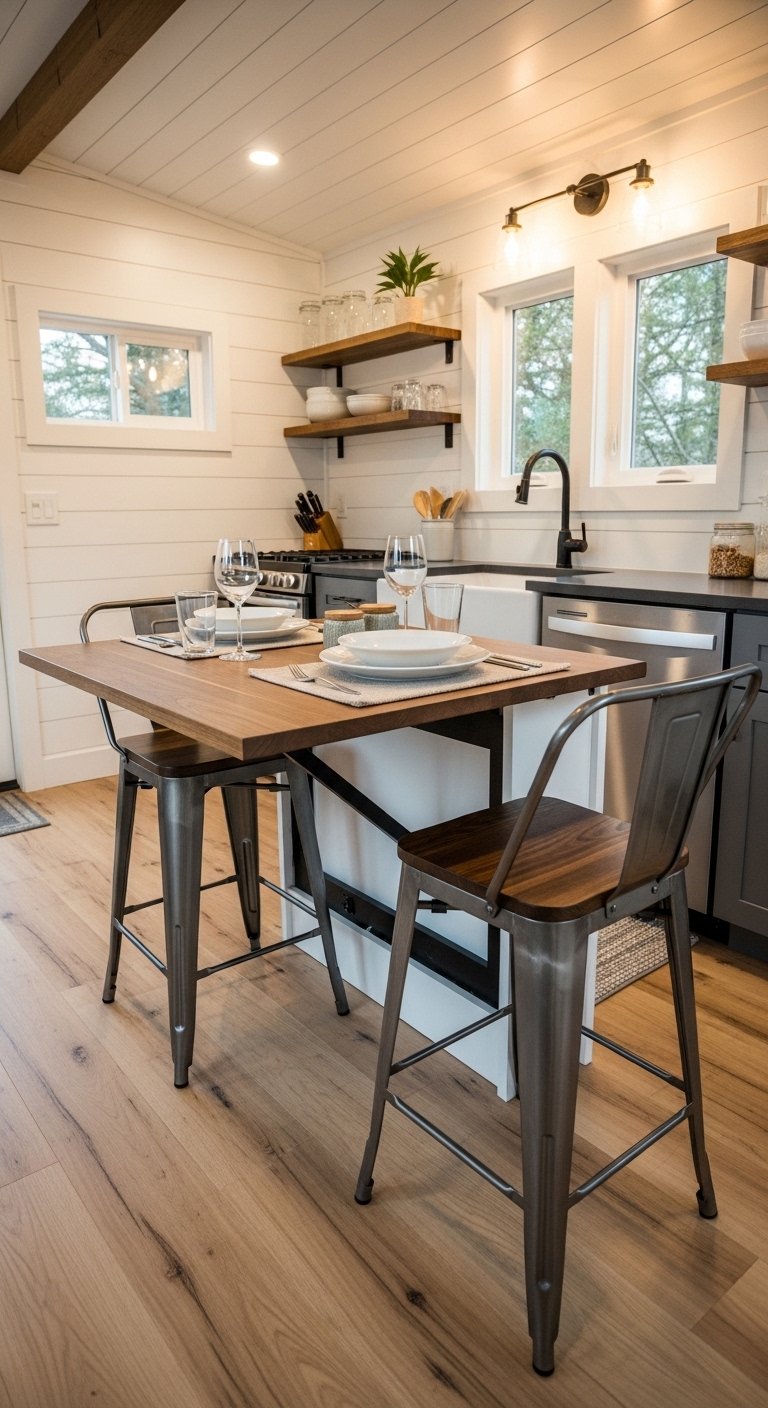
Modern does not mean cold. Adding rustic elements warms up a small kitchen. Reclaimed wood shelves are a perfect example. The texture of the wood contrasts beautifully with sleek modern cabinets. It adds history and character.
Expose a brick wall if you have one. Or use brick veneer for the same effect. Copper pots hanging on a rack add a warm metallic shine. Keep the layout and appliances modern. The rustic touches should be accents, not the dominant theme. This “Modern Rustic” blend creates a cozy, lived-in vibe. It feels welcoming rather than showroom-perfect.
Two-Toned Walls
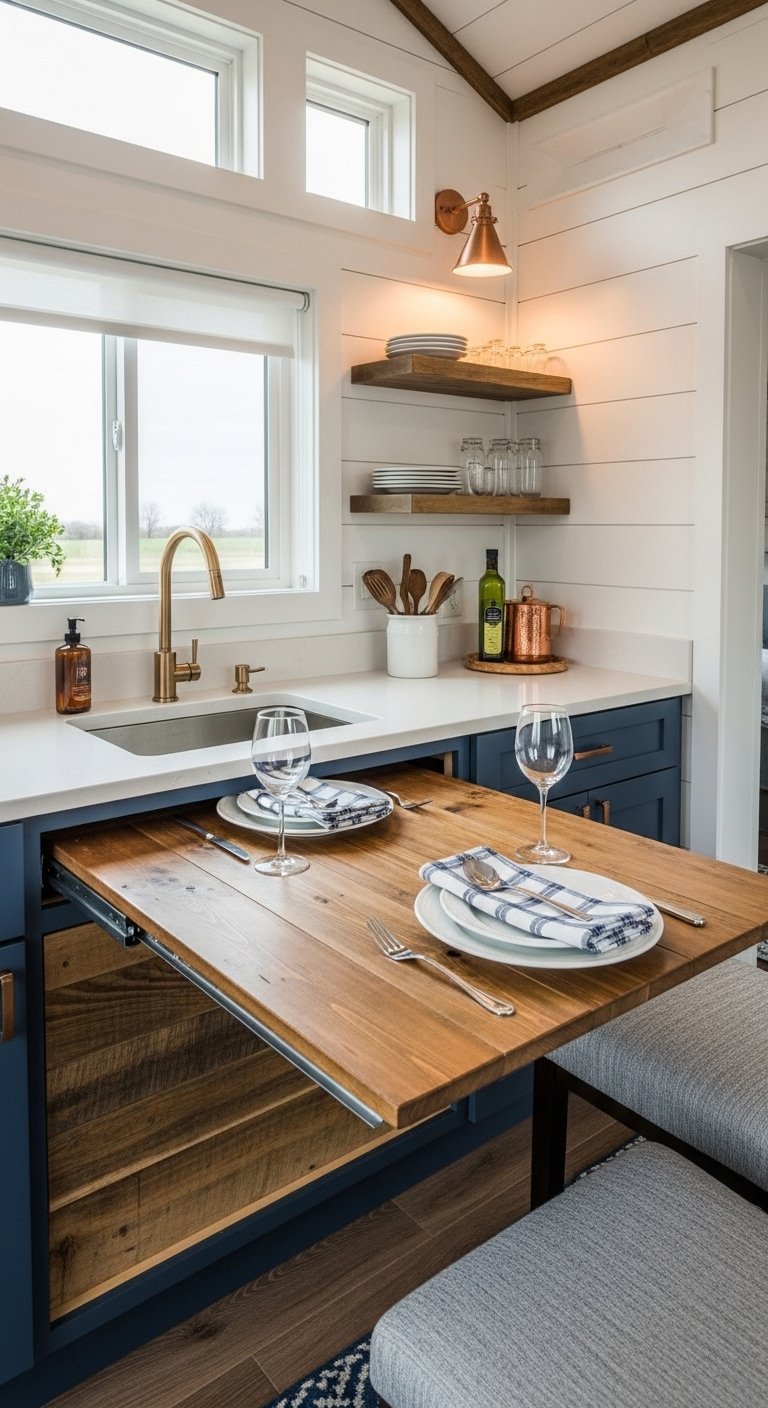
Two-toned walls manipulate the eye. Painting the bottom half of the wall a darker color grounds the space. Painting the top half and ceiling a lighter shade opens it up. This creates a horizontal line that stretches the room visually. It creates the illusion of a wider space.
You can achieve this with wainscoting or beadboard for added texture. Paint the paneling a moody blue or grey. Keep the drywall above it crisp white. This protects the lower walls from scuffs and splashes. It creates a classic look with a modern twist. The transition line creates a strong design element. It structures the room without taking up any physical space.
Farmhouse Inspired
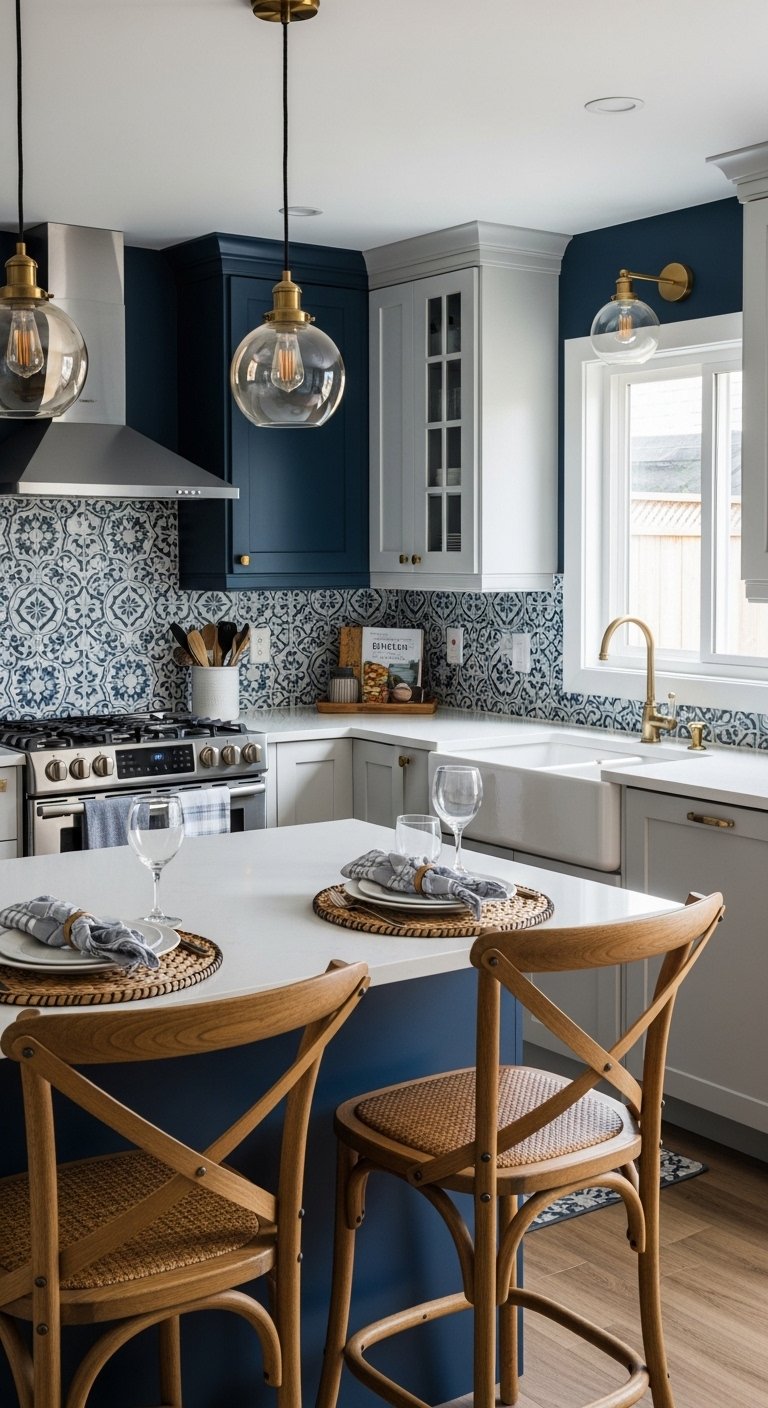
Farmhouse style works well in small spaces because it values practicality. A deep apron-front sink is the centerpiece. It handles large pots easily, which is crucial when counter space is limited. Pair it with shaker-style cabinets. The simple lines are timeless and clean.
Use open shelving to display everyday dishes. White stoneware looks beautiful against a wood or shiplap background. Incorporate a vintage-style rug runner. It adds color and comfort underfoot. Iron hardware completes the look. This style feels approachable. It focuses on comfort and utility. It turns a small kitchen into the heart of the home.
Statement Backsplash
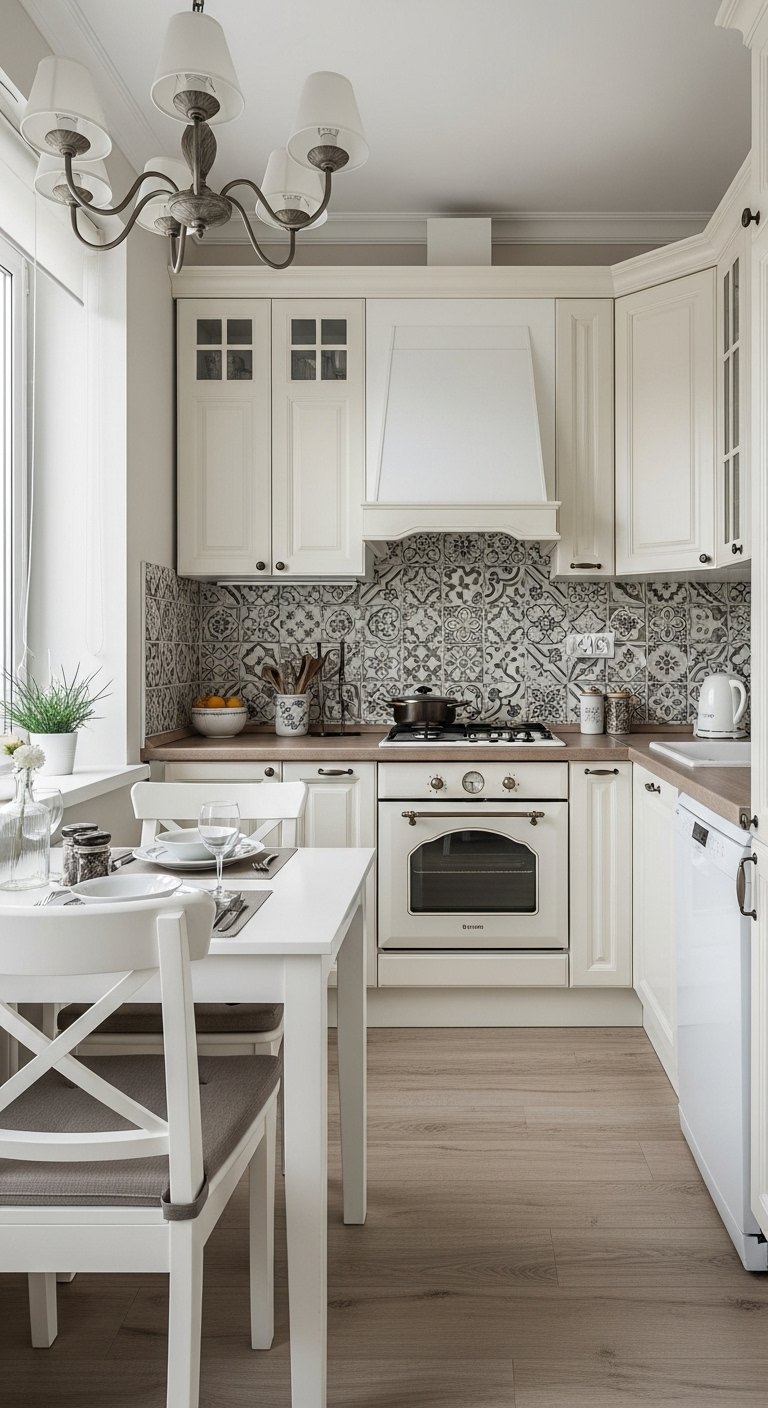
The backsplash is the best place to spend money in a small kitchen. You have less square footage to cover, so you can afford higher-end materials. Choose a handmade zellige tile or a slab of natural stone. The imperfections in handmade tiles catch the light beautifully.
Run the backsplash all the way to the ceiling. Stopping at the cabinet line cuts the room in half visually. A full wall of tile draws the eye up. It feels grand and expensive. Choose a grout color that contrasts slightly with the tile to highlight the pattern. Or match it perfectly for a seamless texture. This vertical surface becomes art.
Compact Small Kitchen Design
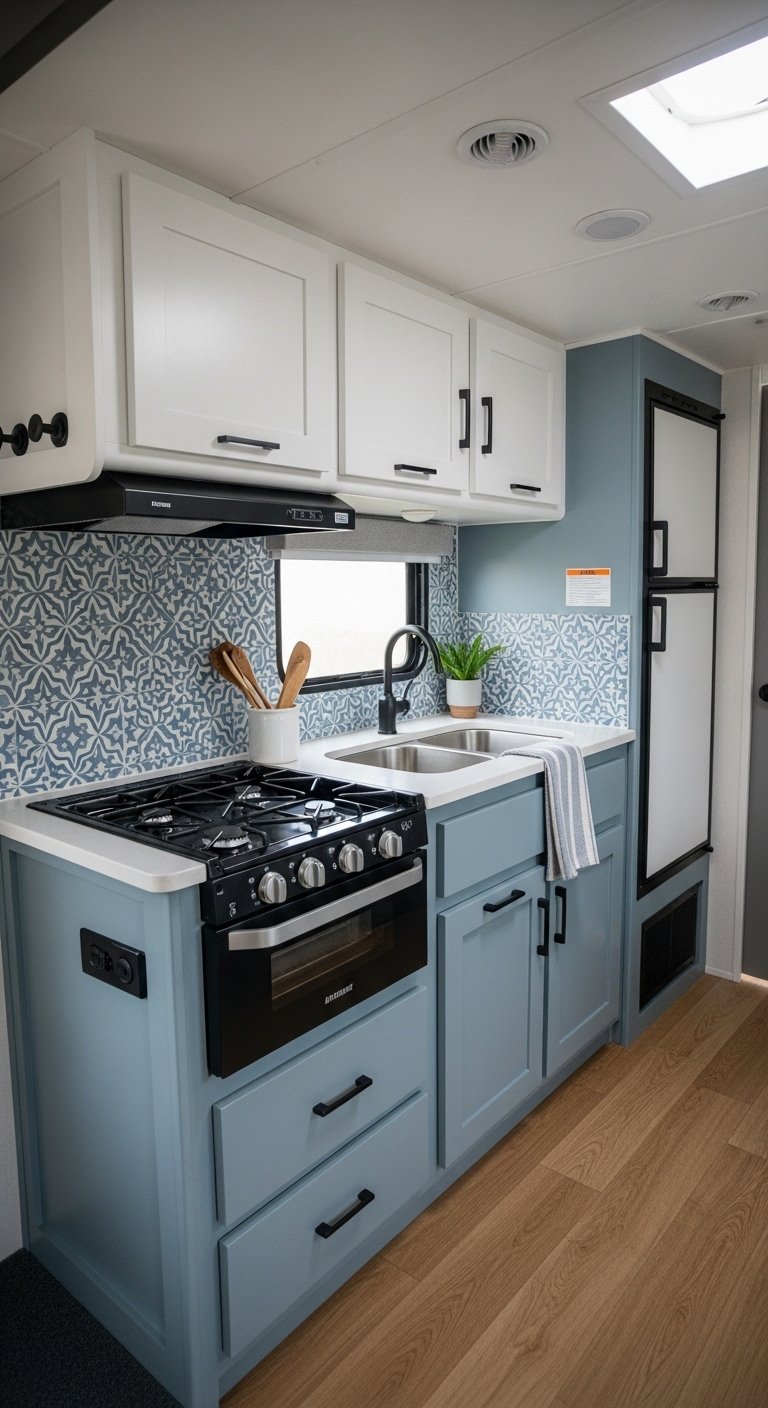
Layout efficiency defines compact design. The “work triangle” (sink, stove, fridge) must be tight. In a galley layout, keep the sink and stove on the same side if possible to consolidate plumbing and gas lines. This also keeps the mess in one zone.
Utilize the toe kick area. You can install shallow drawers there for baking sheets or platters. Use a sink cover to create extra prep space. A pull-out cutting board extends your counter only when you need it. Every mechanism should fold, slide, or hide. This creates a “Swiss Army Knife” kitchen. It transforms based on your immediate needs.
Think Industrial
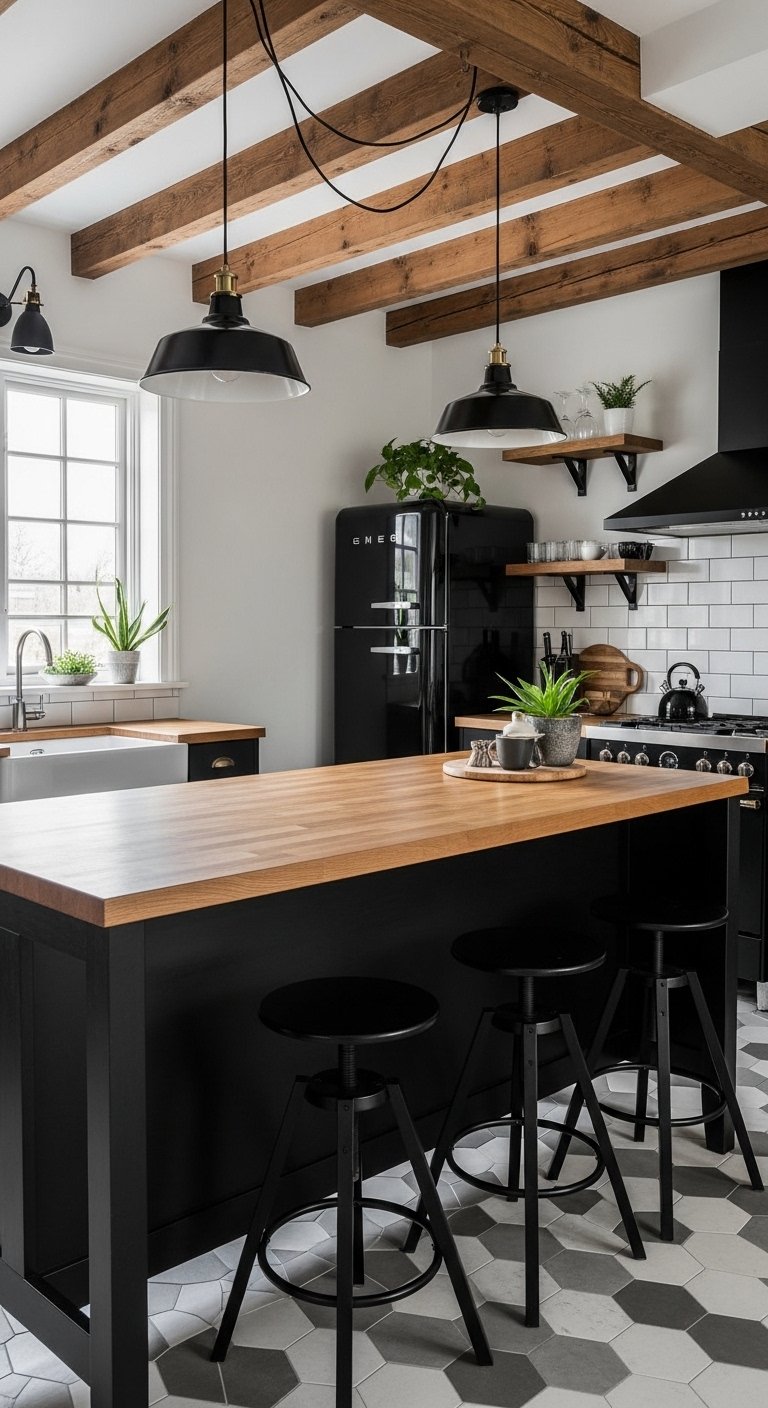
Industrial style celebrates raw materials. It fits small kitchens because it accepts exposed pipes and ductwork. You do not need to box everything in. This saves ceiling height. Concrete floors are durable and seamless. They make the floor plan feel unified.
Use stainless steel shelving units. They are open, hygienic, and sturdy. A commercial-style faucet with a spray hose adds functionality. Use subway tiles with dark grout. It hides grime and looks graphic. Black metal frames on windows or partitions add definition. This look is tough and edgy. It turns the lack of polish into a design feature.
Black And White Tiles
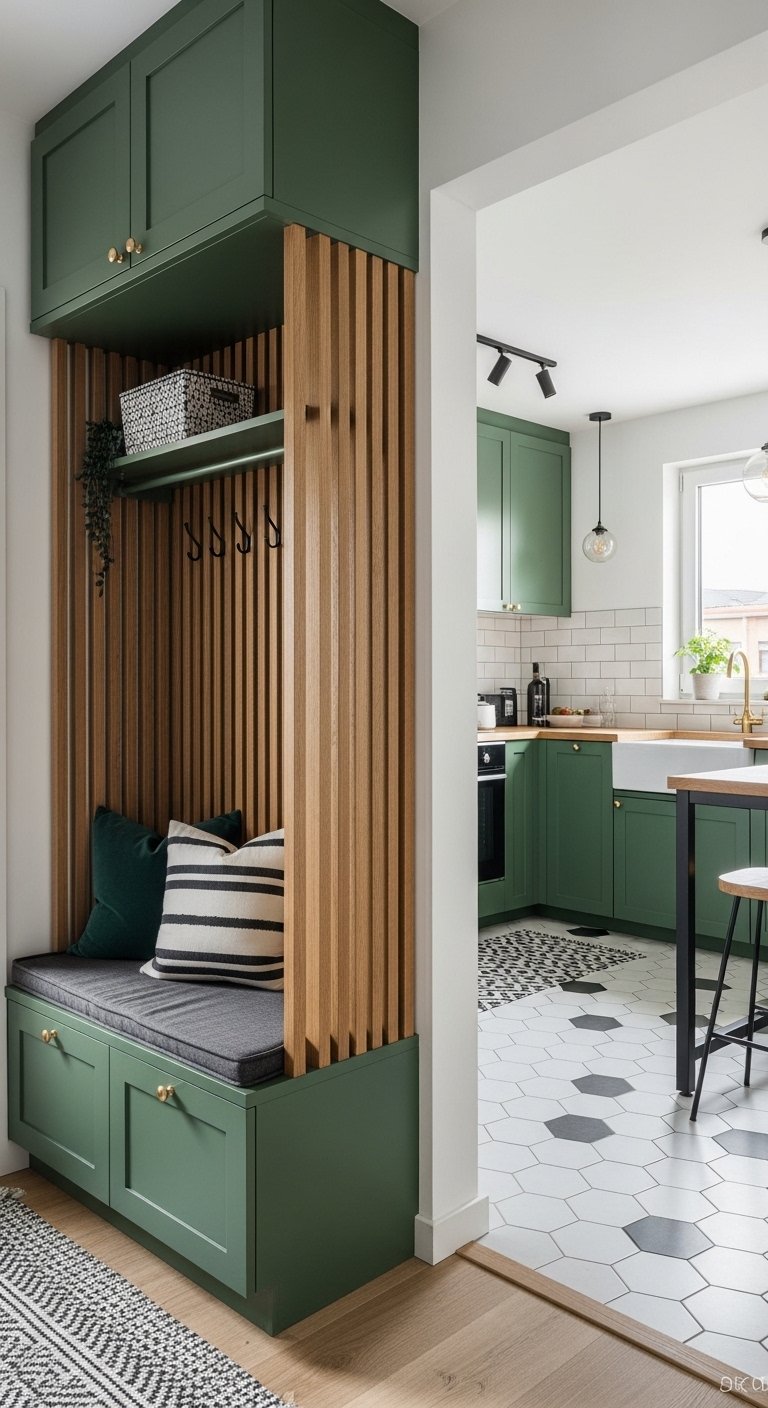
This is the most classic combination for a reason. Black and white tiles create a checkerboard floor that is iconic. Set the tiles on a diagonal. This draws the eye to the corners of the room. It makes the floor area feel wider and longer.
You can also use this combo on the walls. A white subway tile with a black border creates a crisp frame. Or use black hexagonal tiles with white grout for a honeycomb effect. The high contrast distracts from the size of the room. It feels intentional and bold. Add wood accents to prevent the space from feeling too cold or retro.
Pro Tip: Choose large-format tiles to reduce the number of grout lines for a cleaner look.
Get An Accent With Colored Wall
Sometimes you only need one wall to make a statement. Pick the wall with the least amount of cabinetry. Paint it a vibrant color like mustard yellow or teal. This creates a focal point that anchors the room. The rest of the kitchen can remain neutral.
Hang art on this accent wall. A gallery wall of vintage food prints or botanical illustrations adds personality. Install floating shelves to display your favorite cookbooks. This wall becomes the personality of the kitchen. It draws attention away from the utilitarian zones. It makes the kitchen feel like a decorated room, not just a workspace.
Maximize Floor Space
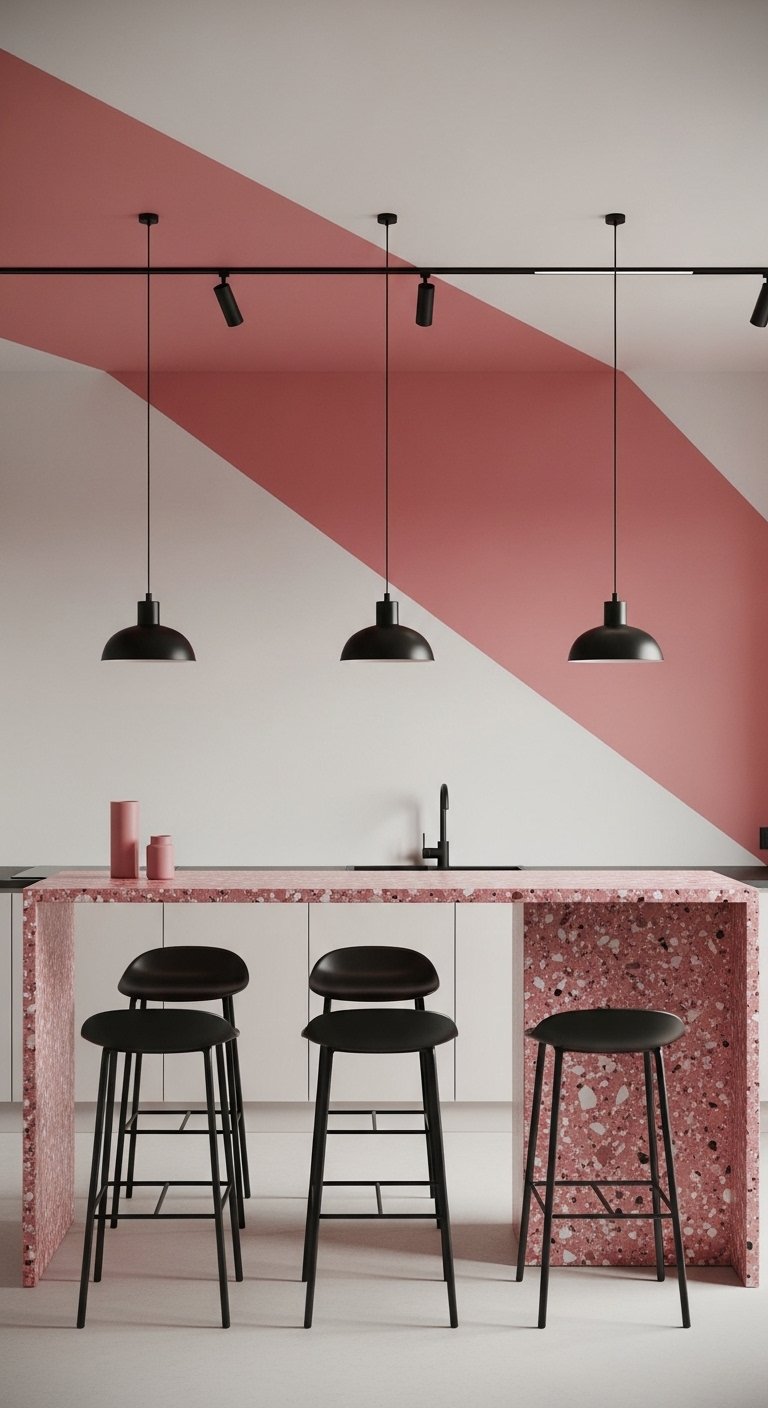
Floor space is premium real estate. Keep it visible. Wall-mounted furniture is your friend. A floating breakfast bar removes the need for legs. This lets the eye see the floor stretch all the way to the wall. The room feels bigger instantly.
Choose a continuous flooring material. Do not switch materials between the kitchen and the adjacent room. A single floor surface flows without interruption. Run floorboards parallel to the longest wall to elongate the room. Avoid small rugs that chop up the visual space. If you need a rug, choose a long runner. It guides the eye through the room.
Make The Most Of Marble
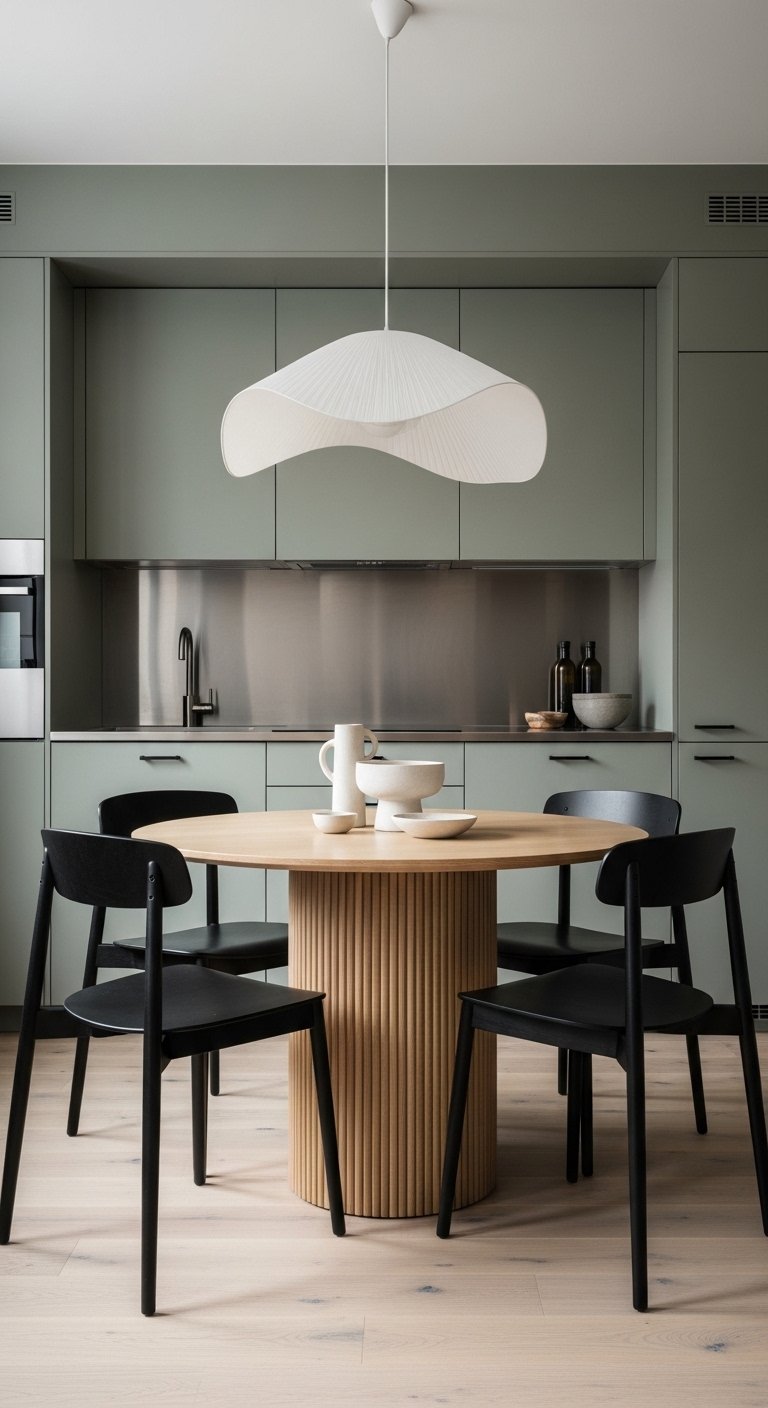
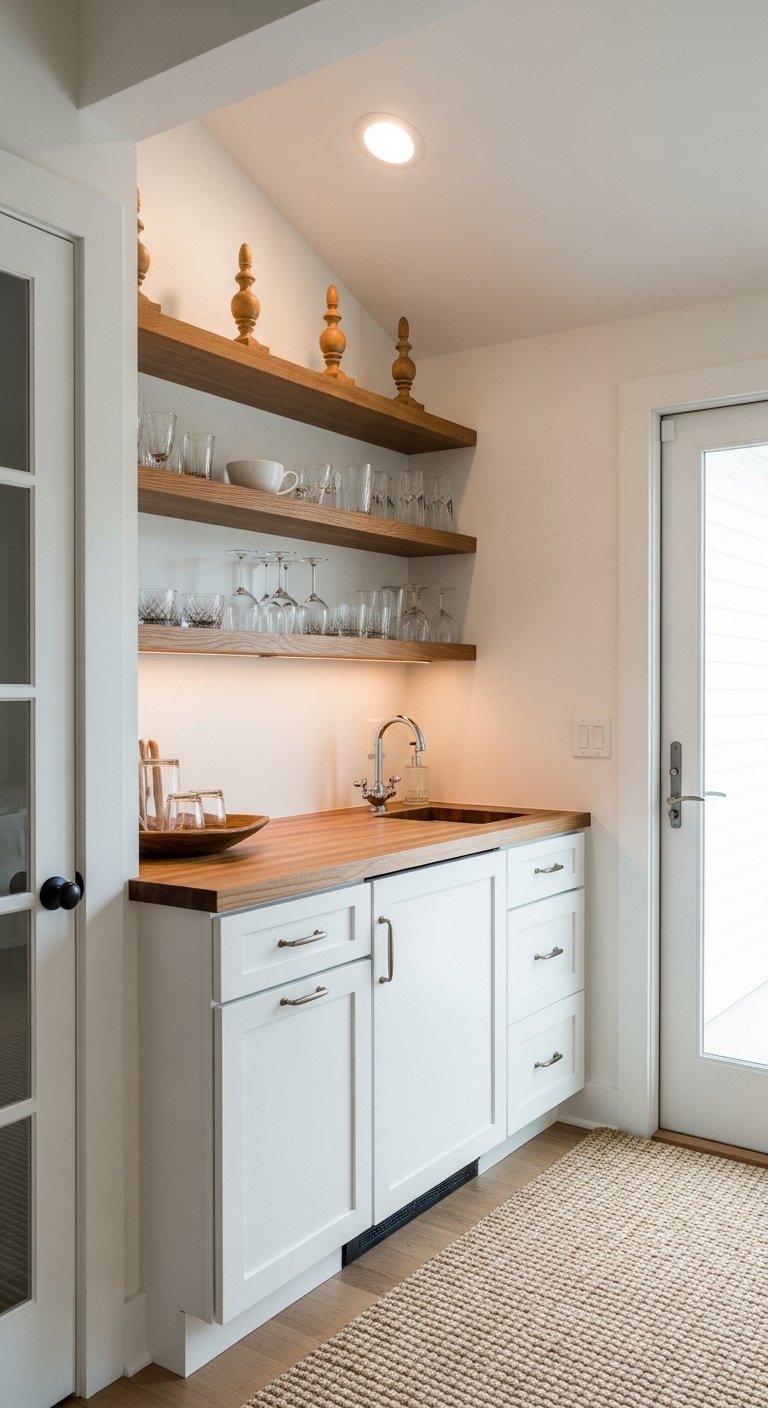
Marble screams luxury. In a small kitchen, a little goes a long way. Use a marble slab for the backsplash. The veining creates organic movement. It is like a natural painting. If real marble is out of budget, look for high-quality porcelain slabs that mimic the look. They are durable and stain-resistant.
Pair marble with simple cabinets. Let the stone be the star. Use marble scraps for shelves or a window sill. The bright white background of Carrara or Calacatta marble reflects light. It makes the kitchen feel pristine and high-end. It elevates the space from basic to elegant.
Save this idea to your Pinterest.
Popular Asked Questions
What colors make a small kitchen look bigger?
Light and neutral colors are best for expanding space. White, cream, soft gray, and pale blue reflect light and make walls recede. However, dark colors like navy or charcoal can also work by blurring corners and adding depth, especially when used on lower cabinets with lighter uppers.
Is an island possible in a small kitchen?
Yes, but scale is critical. You need at least 36 inches of walkway around all sides. If a permanent island doesn’t fit, try a narrow rolling cart or a butcher block table. These offer prep space and storage but can be moved out of the way when necessary.
How do I maximize storage in a tiny kitchen?
Go vertical. Install cabinets or open shelves all the way to the ceiling. Use the space above the fridge. inside cabinets, use riser shelves, door-mounted racks, and pull-out organizers. Don’t forget the toe-kick drawers for flat items like baking sheets.
What is the best lighting for a small kitchen?
Layer your lighting. You need ambient light (ceiling fixtures) for general brightness, task light (under-cabinet strips) for chopping and cooking, and accent light (pendants) for style. Avoid relying on a single center ceiling light, as it creates shadows in corners.
Can I mix metals in a small kitchen?
Absolutely. Mixing metals adds character. A good rule is to pick a dominant metal (like brushed nickel) for major fixtures and an accent metal (like matte black or brass) for cabinet pulls and lighting. Keep the finish (matte, polished, brushed) consistent to avoid a messy look.
Conclusion
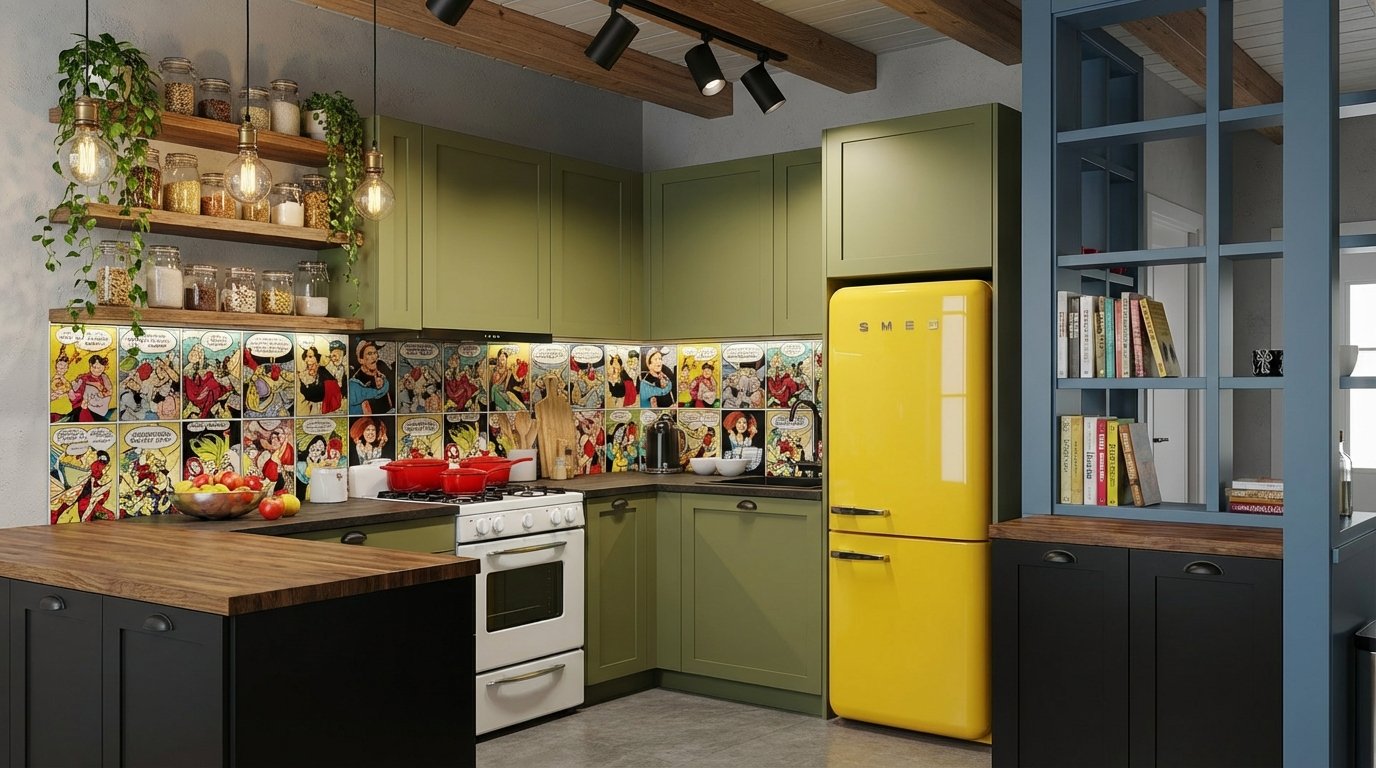
A modern small kitchen remodel transforms limitations into assets. You do not need a massive footprint to have a chef-worthy space. It comes down to smart choices. Prioritize vertical storage. Use light to open the room. Be bold with textures and materials.
The best kitchen is one that serves your specific cooking habits. Do not copy a layout just because it is trendy. Adapt these ideas to fit your workflow. Which of these space-saving ideas will you try first in your home?
Follow us on Pinterest for more Modern Small Kitchen inspiration.

Leave a Comment