
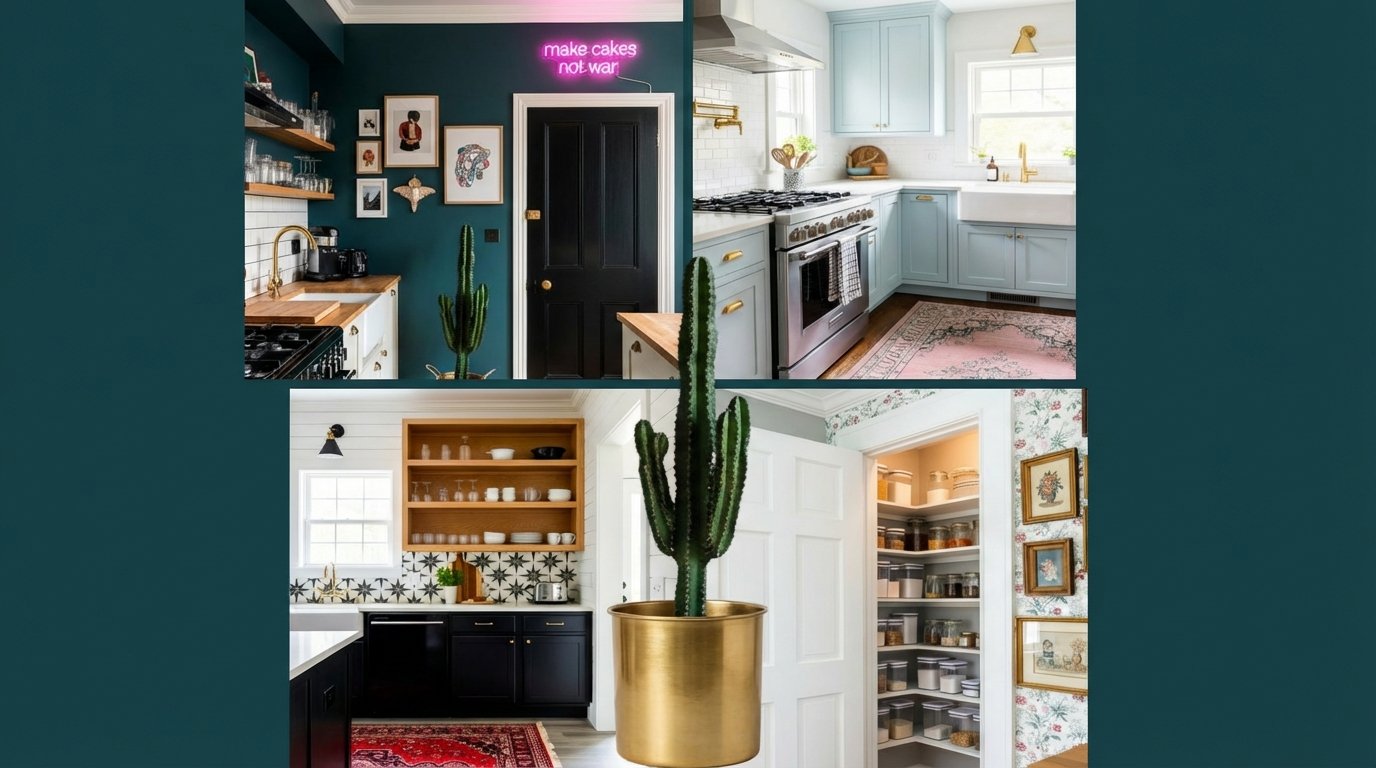
You might feel limited by a lack of square footage. Small kitchens often lead to clutter and frustration. Cooking becomes a chore when you have nowhere to chop vegetables or store your pots. You need a space that works for you. A functional layout changes everything. It turns a cramped room into a culinary haven. You can have style and efficiency in the same footprint. We found the best ways to maximize every inch of your cooking area. These ideas prioritize flow and storage without sacrificing aesthetics. You will love spending time in your kitchen again.
Check out our related guide on [Minimalist Home Organization].
Key Takeaways
- Vertical Storage
Use walls to free up counter space for prep work. - Light Colors
Reflective surfaces and pale hues make the room feel open. - Multi-purpose Furniture
Islands and tables must offer storage or flexible seating. - Cohesive Palette
Too many colors create visual noise in tight quarters. - Lighting Layers
Good lighting eliminates shadows and expands the sense of space.
Contents
- Problem-Solving Peninsula
- Storage Solution
- Patterned Floor
- Goodbye Uppers
- Cute and Cohesive
- Squeeze in Extra Seating
- All White
- Go Dark
- Thoughtful Color Choices
- Creative Island
- Popular Asked Questions
- Conclusion
Problem-Solving Peninsula
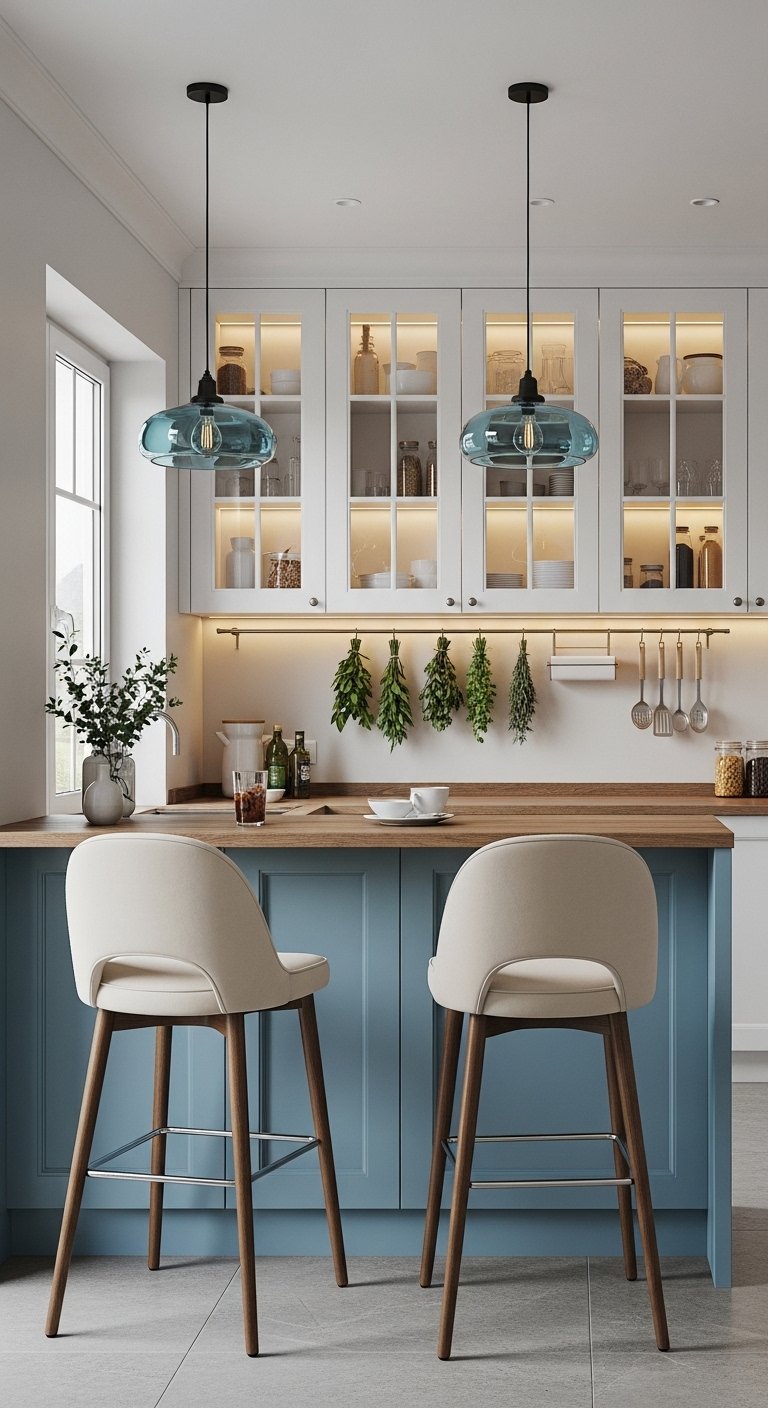
A peninsula offers the perfect compromise for layouts that cannot fit a freestanding island. You gain valuable counter space attached to an existing wall or cabinet run. This layout choice defines the kitchen zone in an open concept apartment without closing it off completely. The extra surface area serves multiple needs. You can use it for meal prep during the week. It becomes a serving station for parties on weekends. The area underneath offers prime real estate for deep drawers or hidden cabinets. You solve storage issues and workflow problems simultaneously.
Select a countertop material that contrasts with your main cabinets to create visual interest. A butcher block top adds warmth and doubles as a massive cutting board. Keep the base neutral to blend with the rest of the room. This design trick anchors the space. You create a distinct separation between the cooking area and the living room while maintaining an airy feel. The peninsula directs traffic away from the “work triangle” of the sink, stove, and fridge. Your kitchen functions better when guests stay on the other side of the counter.
Pro Tip. Install an overhang on the outer side of the peninsula to tuck in bar stools for an instant breakfast nook.
Storage Solution
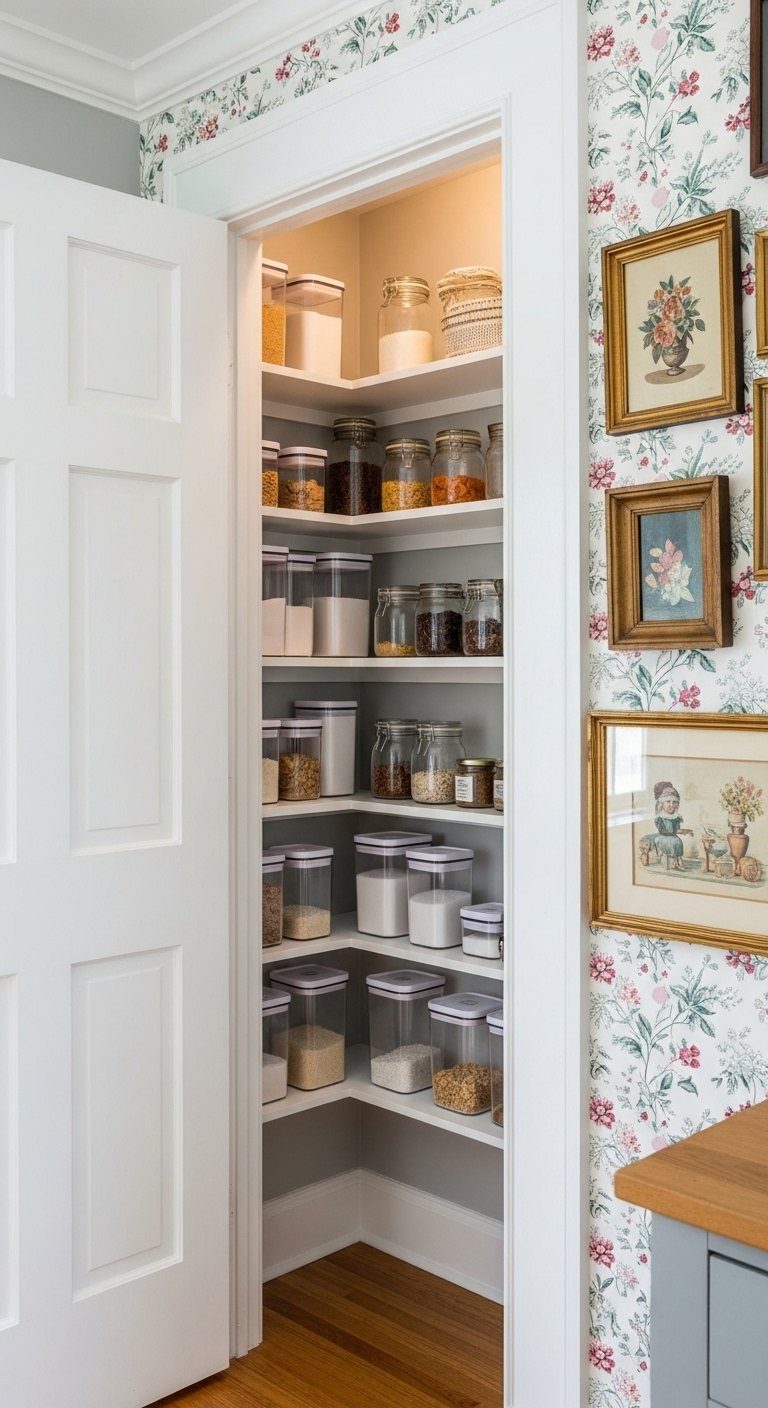
Clutter kills the vibe in a small kitchen faster than anything else. You need to use every available inch of vertical and hidden space. Think beyond standard cabinets. Install rails under upper cupboards to hang utensils or mugs. Magnetic strips on the wall hold knives securely and free up drawer space. Hooks on the sides of cabinets work well for aprons or cutting boards. This approach keeps frequently used tools within reach but off the counter. The visual effect is one of organized efficiency rather than chaotic mess.
Look for furniture with built-in storage potential. A bench with a lift-up seat hides seasonal items like holiday platters. Use tension rods inside cabinets to stack baking sheets vertically. This makes them easy to grab without unstacking a heavy pile. Baskets on top of upper cabinets capture the dust prone space near the ceiling for rarely used items. You transform dead space into active storage. The goal is to clear the horizontal surfaces. Clear counters trick the eye into seeing a larger room.
Pro Tip. Use clear containers for pantry items to reduce visual noise and easily see when you need to restock staples.
Patterned Floor
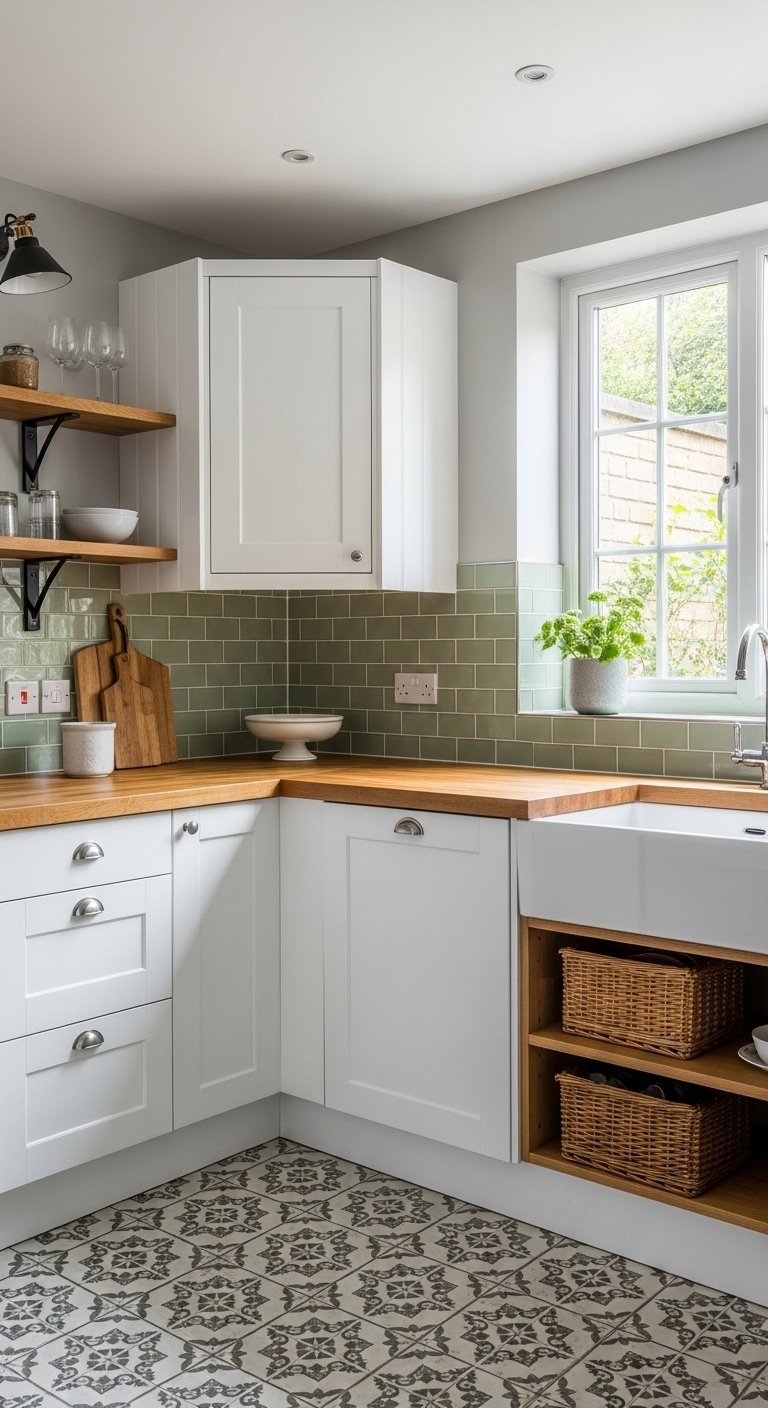
You can distract the eye from a small footprint by placing the focus on the floor. A bold pattern draws attention downward and stretches the visual field. Geometric tiles or checkerboard designs make the floor area feel expansive. The busy pattern tricks the brain. You stop noticing the tight walls and start appreciating the design depth. This technique works particularly well in narrow galley kitchens. The lines of the pattern can lead the eye through the room to a window or focal point at the end.
This strategy allows you to keep the cabinets and walls simple. You save money on expensive backsplash tiles by keeping them plain. The floor does all the heavy lifting for the design. Choose large format tiles with fewer grout lines for a cleaner look. If you rent your home you can use peel and stick vinyl tiles. They offer the same dramatic impact without permanent commitment. The pattern adds personality to a utilitarian space. Your kitchen feels curated and intentional rather than just small.
Pro Tip. Keep the rest of the kitchen neutral when using a bold floor to avoid overwhelming the senses.
Comparison: Rugs vs Tiles for Small Kitchens
| Feature | Patterned Tiles | Vintage Runners (Rugs) |
|---|---|---|
| Durability | High durability against spills | Requires frequent washing |
| Visual Effect | Expands space permanently | Adds temporary warmth |
| Maintenance | Easy to sweep and mop | Traps crumbs and dust |
| Cost | Higher installation cost | Low cost and swappable |
| Stability | Fixed surface | Can slip without a pad |
Goodbye Uppers
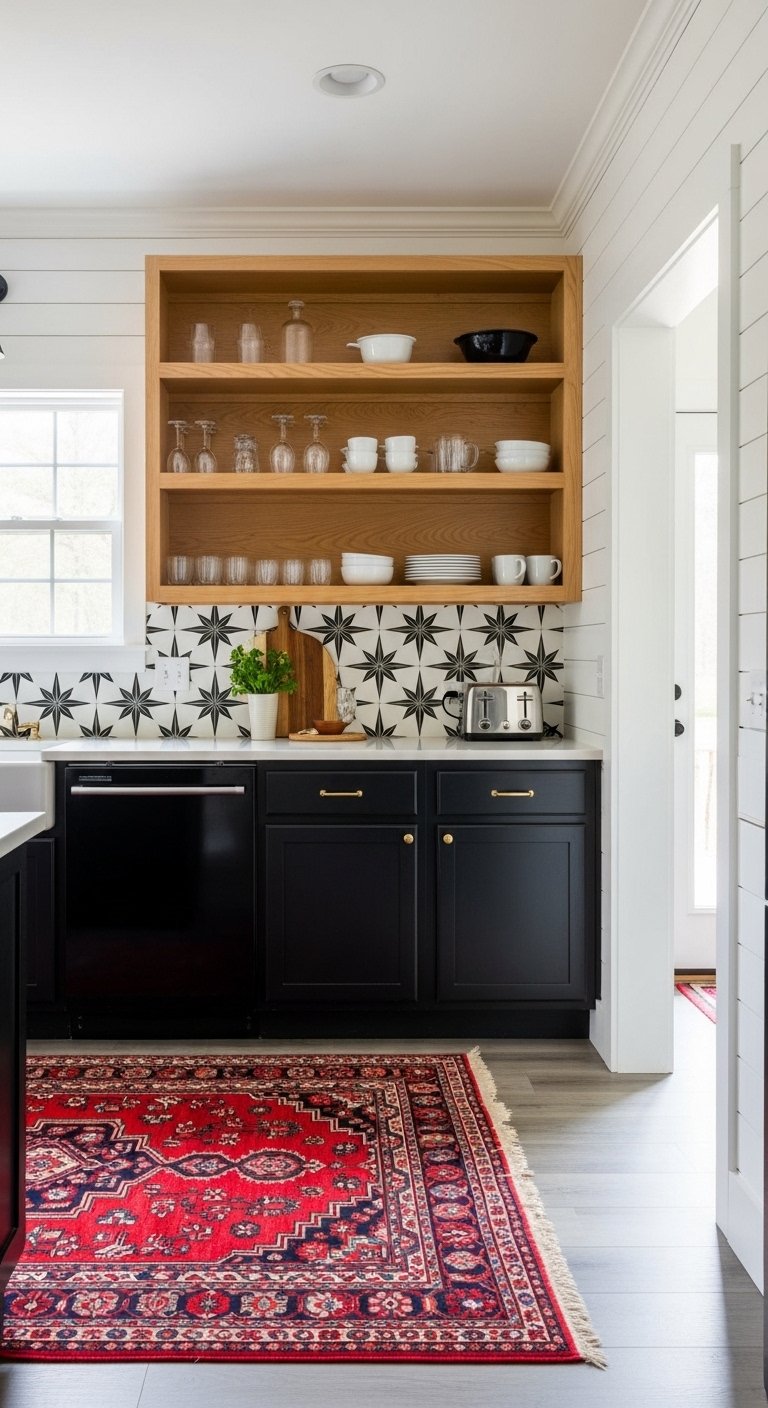
Removing upper cabinets sounds scary but it opens up a small kitchen instantly. Bulky boxes on the wall make a narrow room feel like a tunnel. You gain breathing room by taking them down. The walls recede and light flows more freely across the room. Reclaiming that visual space makes the ceiling feel higher. You avoid the heavy and oppressive feeling of a standard kitchen layout. This design choice forces you to edit your belongings. You only keep what you actually use and love.
Replace the cabinets with floating shelves if you need the storage. Open shelving keeps everyday dishes accessible and serves as a display area. Stack pretty plates and bowls to add texture to the room. Use natural wood shelves to bring warmth to a white kitchen. Keep the styling minimal to avoid a cluttered look. Group items by color or size for a cohesive appearance. The lack of doors means you can see everything at a glance. You spend less time searching for ingredients and more time cooking.
Pro Tip. Paint the wall behind your open shelves a slightly darker shade to add depth and make your white dishes pop.
Cute and Cohesive
A small space demands a unified aesthetic. Disjointed styles make a room feel smaller and more chaotic. You need a cohesive theme that ties everything together. Match your small appliances to your hardware finishes. If you have a retro toaster ensure your kettle matches the vibe. Consistent colors and materials create a seamless look. The eye glides over the surfaces without stopping on jarring mismatches. This fluidity makes the room feel larger than it is.
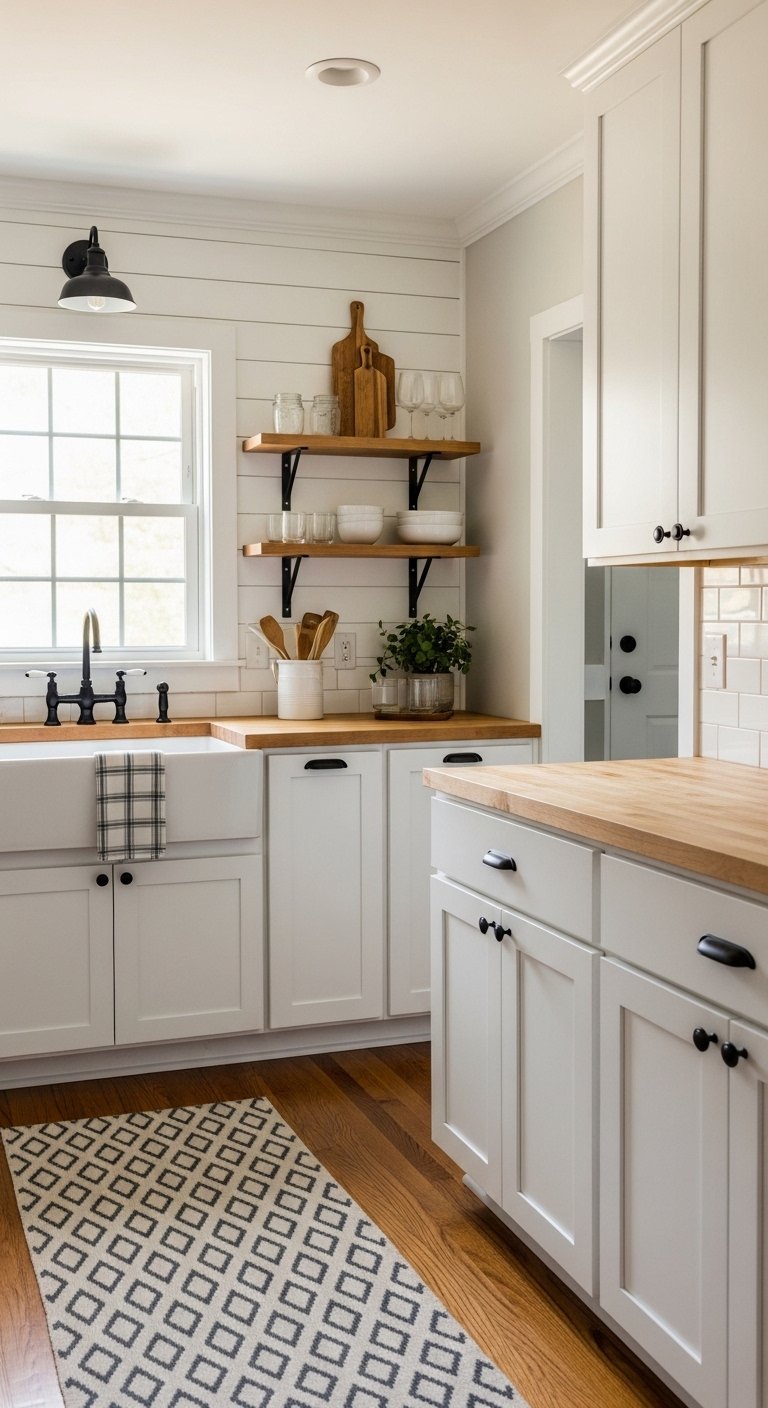
Select a single metal finish for faucets and handles. Matte black offers a modern contrast while brass adds warmth. Repeat this finish in your lighting fixtures. Carry the color of your backsplash into your accessories. A tea towel or a pot holder in the same shade ties the room together. These small details signal intentional design. You create a polished look that feels high end. A cohesive kitchen feels calm and orderly.
Pro Tip. Decant dish soap and hand lotion into matching glass bottles to remove ugly branded plastic from your sink area.
Squeeze in Extra Seating
You do not need a formal dining room to host friends. A small kitchen can accommodate seating with clever planning. Look for dead corners that can fit a small bistro table. A round table takes up less flow space than a square one. It allows for easier movement around the edges. Folding chairs can hang on the wall when not in use. You gain a spot for morning coffee without permanently blocking the walkway.
Consider a fold down table mounted to the wall. It disappears completely when you need floor space for cooking. Pop it up only when you are ready to eat. A window seat or banquette offers storage inside the bench and seats more people than individual chairs. This utilizes the corner space effectively. You create a cozy nook that invites conversation. Even a single stool tucked under a counter creates a social zone. You make the kitchen a gathering place rather than just a work zone.
Pro Tip. Choose acrylic or “ghost” chairs that visually disappear to keep the sightlines open and clear.
All White
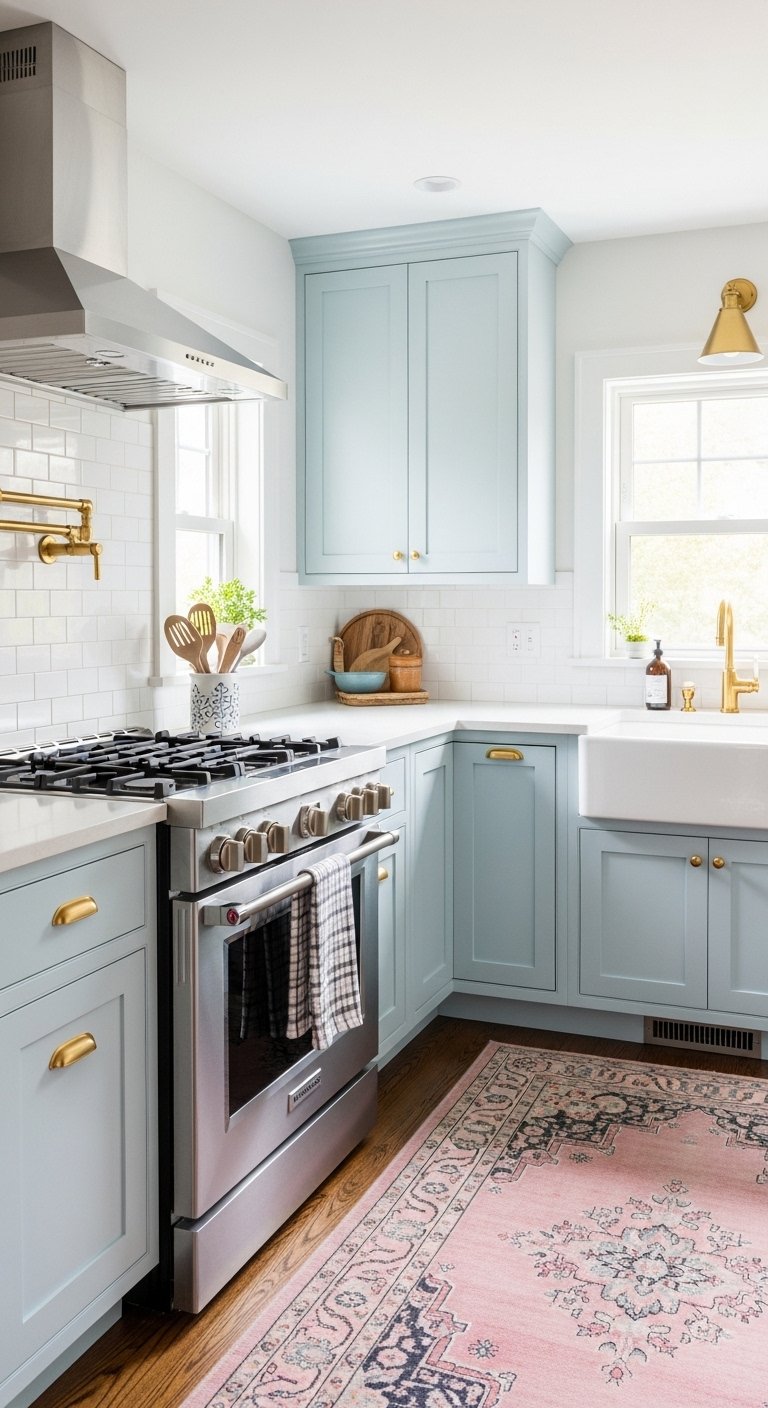
White reflects light better than any other color. It bounces natural and artificial light into dark corners. Your walls and cabinets blend together to blur the boundaries of the room. This lack of hard edges makes the space feel infinite. An all white kitchen looks clean and airy. It provides a blank canvas for your food and cooking activities. The brightness energizes you in the morning.
Texture prevents a white room from looking clinical. Use glossy subway tiles against matte cabinets. Add a marble countertop with subtle veining. A white linen roman shade adds softness to the window. These subtle shifts in material add interest without breaking the monochrome palette. You achieve sophistication through restraint. White creates a sense of hygiene and freshness essential for a cooking space. It is a timeless choice that never goes out of style.
Pro Tip. Use a warm white bulb in your light fixtures to prevent the room from feeling like a hospital or laboratory.
Get The Look: Minimalist White
- Paint: Pure White by Sherwin Williams (Matte finish for walls).
- Hardware: Brushed Nickel or Polished Chrome pulls.
- Textiles: Waffle weave cotton towels in cream or oat.
- Countertop: Quartz with subtle gray veining.
Go Dark
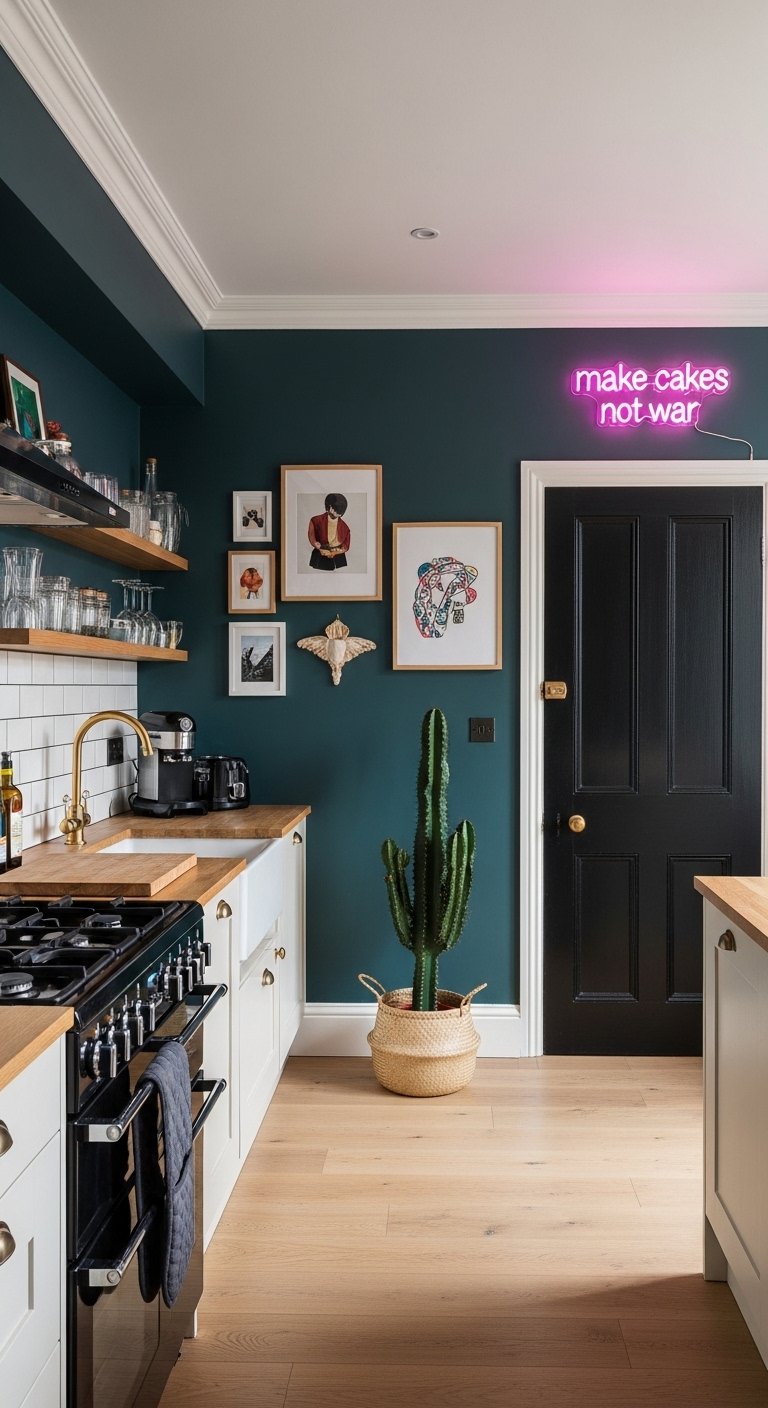
Dark colors can surprisingly make a small kitchen feel larger. Deep navy or charcoal gray adds incredible depth. The corners of the room seem to recede into the shadows. This blurs the dimensions of the space. A dark kitchen feels cozy and intimate. It creates a mood that white kitchens often lack. Dark cabinets hide scuffs and fingerprints better than light ones. You create a dramatic backdrop for your culinary creations.
Pair dark walls with good lighting to avoid a cave like feel. Under cabinet lighting is essential here. Metallic hardware shines brilliantly against a dark background. Brass or copper handles look like jewelry on a black cabinet. Keep the countertops light to provide contrast and a bright work surface. This balance prevents the room from feeling heavy. You create a sophisticated and bold statement. It shows confidence in your design choices.
Pro Tip. Choose a satin or eggshell finish for dark paint to reflect a small amount of light while maintaining rich color saturation.
Thoughtful Color Choices
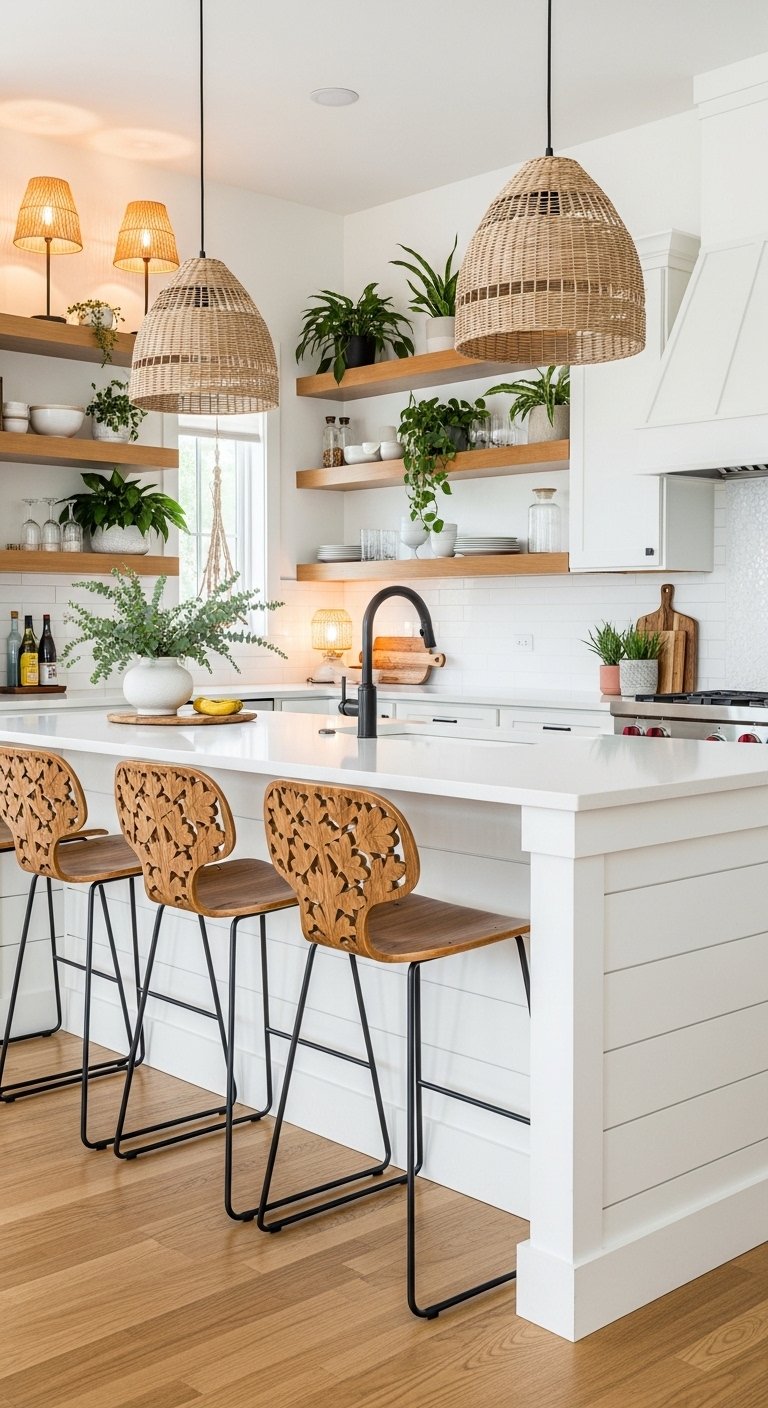
Color influences how you feel in a room. In a small kitchen you must choose your palette wisely. Cool colors like blue and green visually recede. They make walls feel further away. Warm colors like red and orange advance and make walls feel closer. Stick to a limited palette of two or three colors. One main color for cabinets and walls works best. Use a second color for accents and a third for metallics.
Pastels offer a happy medium between white and dark. A soft sage green brings nature indoors without overwhelming the space. A pale buttery yellow mimics sunshine. These hues add personality while keeping the room bright. Paint the ceiling the same color as the walls to remove the visual break. This draws the eye up and makes the ceiling feel higher. You wrap the room in color for a comforting effect.
Pro Tip. Test paint samples on your wall at different times of day to see how the natural light alters the color.
Creative Island
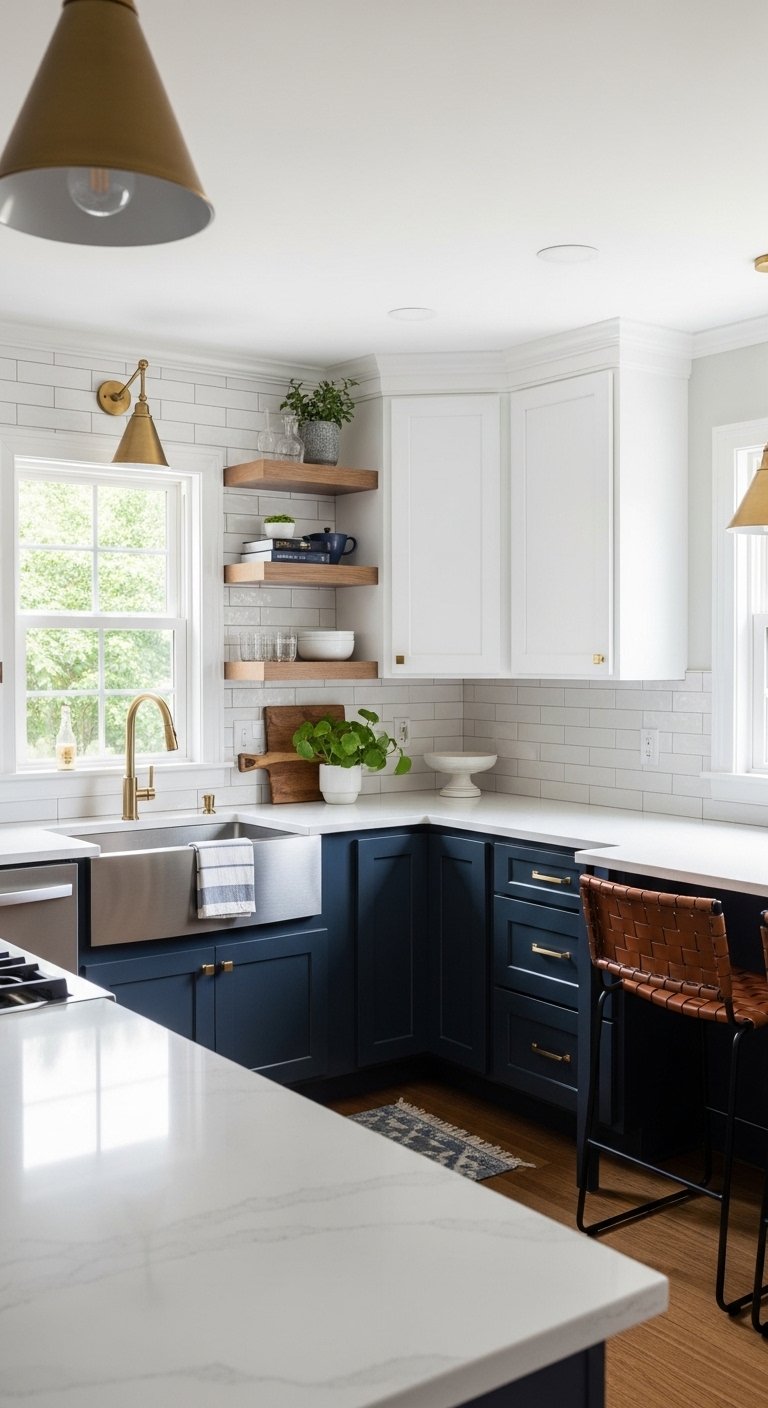
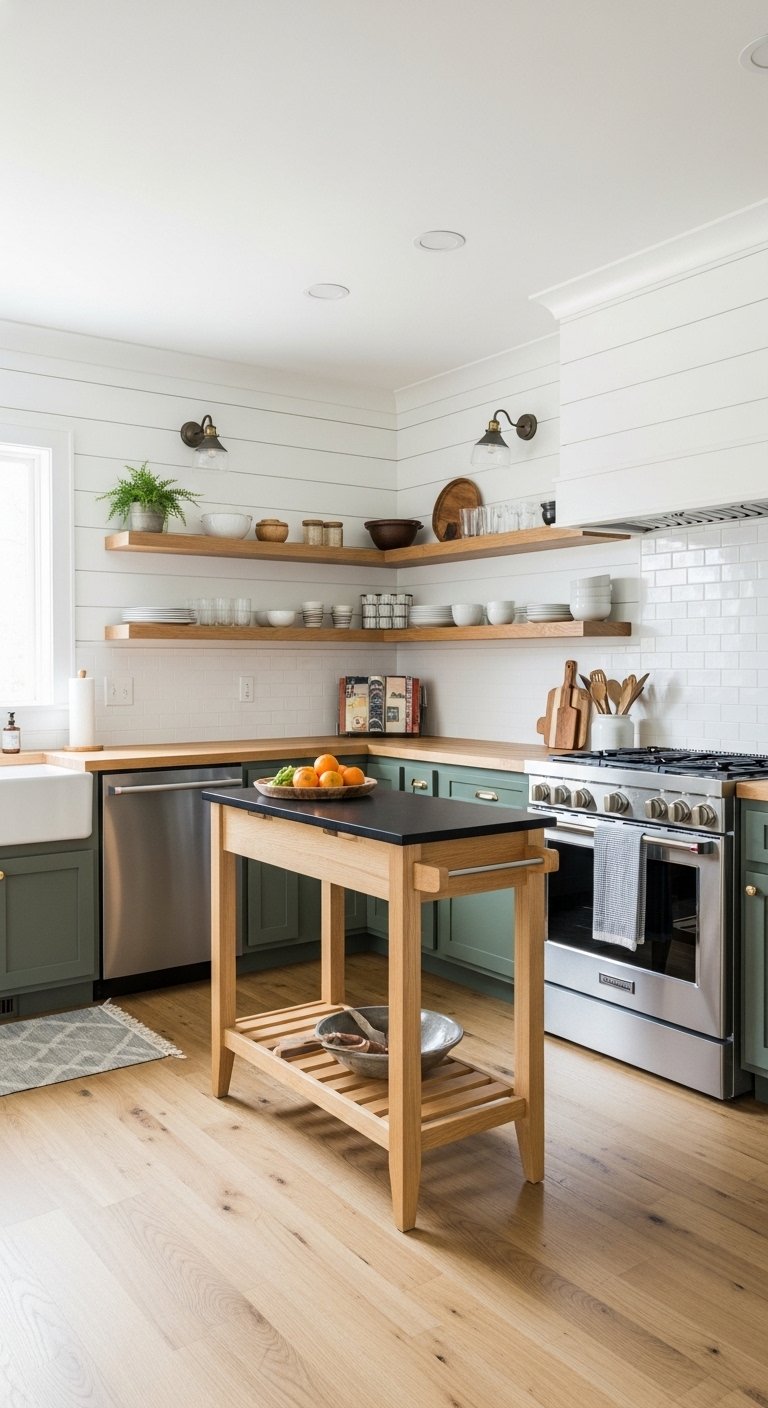
A standard fixed island often fails in a small footprint. You need a creative alternative that adapts to your needs. A rolling cart serves as a mobile island. You can move it to the center when you prep dinner. Push it against a wall when guests arrive. Look for carts with shelves below for extra storage. Locking wheels ensure stability while you chop.
Repurpose a vintage console table or a narrow dresser. These pieces add character that standard cabinetry lacks. A tall table can double as a prep surface and a dining spot. Ensure the height is comfortable for standing work. You gain functionality without the bulk of a built in structure. The open space beneath a table keeps the room feeling light. You can tuck stools underneath or place baskets for produce.
Pro Tip. Attach a rail to the side of your mobile island to hold towels or S hooks for hanging ladles and spoons.
Popular Asked Questions
How do I arrange a small kitchen?
Focus on the work triangle layout. Keep your sink, stove, and refrigerator in a triangular formation to minimize steps. Use every bit of wall space for storage to keep the floor clear. Prioritize flow so you can move easily between these three key zones.
What colors make a kitchen look bigger?
White and light neutral tones are best for expanding space. They reflect light and blur the lines between walls and ceilings. Cool colors like light blue or soft green also help walls recede visually.
How to organize a kitchen without a pantry?
Use a freestanding cabinet or bookshelf as a makeshift pantry. Invest in clear bins to stack items on open shelves or inside deep drawers. Utilize the backs of cabinet doors for hanging spice racks or small item storage.
Is a kitchen island possible in a small space?
Yes. Use a narrow console table or a rolling butcher block cart. These options provide prep space without permanently blocking traffic flow. Ensure you have at least 36 inches of clearance around the island for movement.
Conclusion
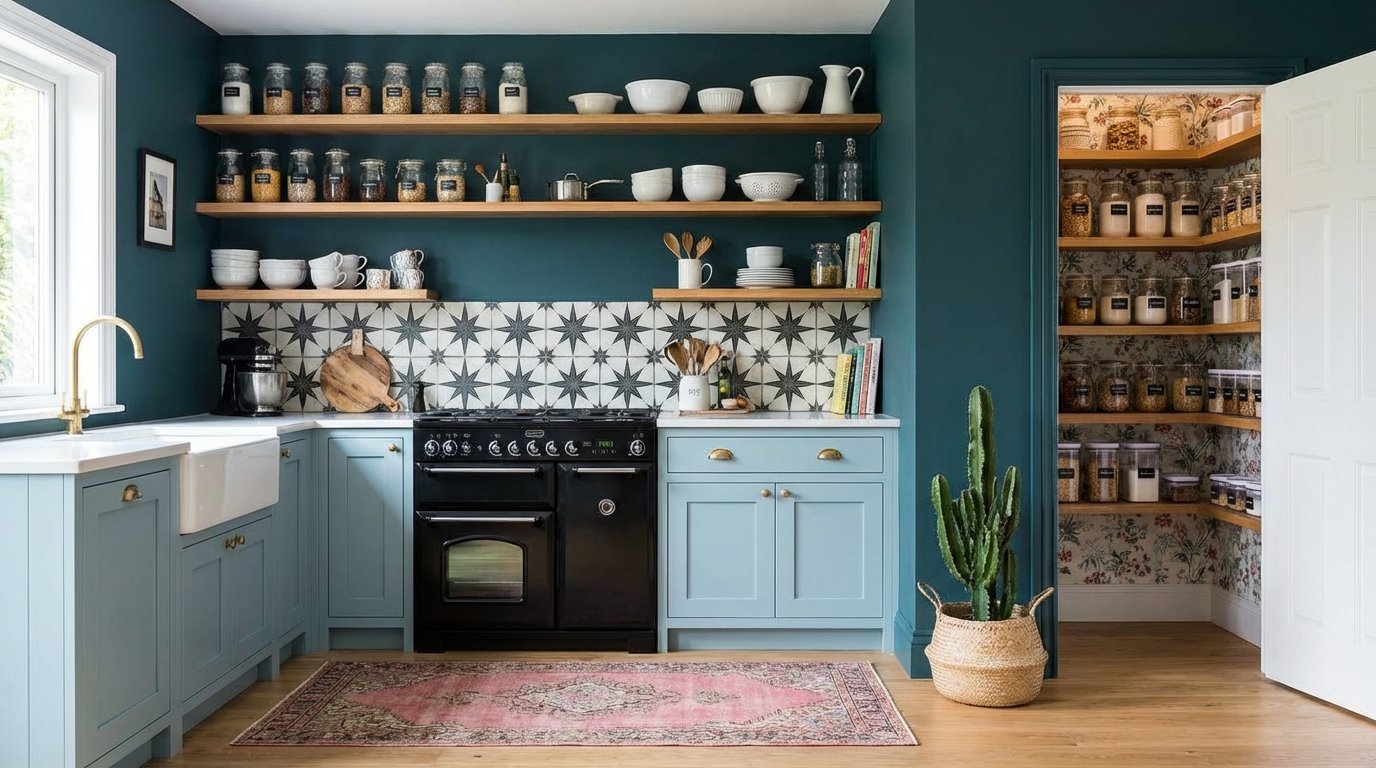
Small kitchen decor requires a balance of function and style. You do not have to sacrifice beauty for practicality. The right layout and color choices transform a cramped room into a joy to use. Simple changes like better lighting or smart storage make a massive difference. Your cooking experience improves when the space works for you. Start with one of these ideas and watch your kitchen evolve.
Which of these ideas will you try first in your home? Tell us in the comments below.
Follow us on Pinterest for more Small Kitchen inspiration.

Leave a Comment